Wind! No, “clean coal“! Biofuels! No, natural gas! Idiots, it’s all about nuclear!
Conversations about tackling climate change are perpetually dominated by disputes over which cleaner energy sources will substitute for today’s dirty energy.
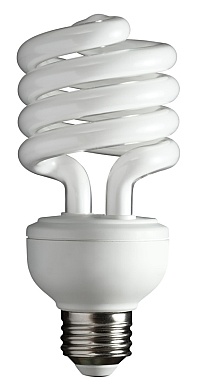
What’s left out? Using less energy. That is to say: demand.
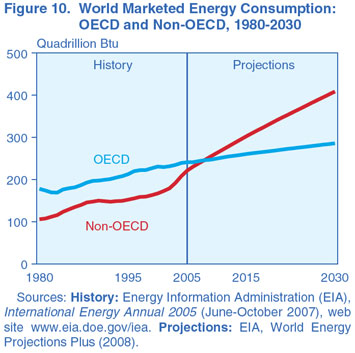
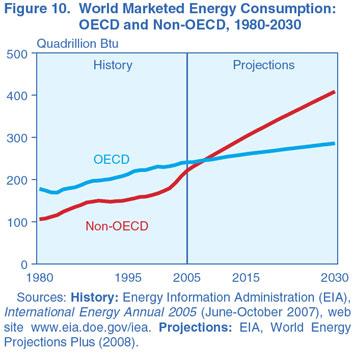
As it happens, getting a handle on demand is the cheapest and fastest way to reign in greenhouse gas emissions. Every energy wonk knows this, but for some reason — psychological? cultural? lack of powerful business lobby? — demand has never taken the place of primacy it warrants in the national psyche. Sourcing is seen as variable, adaptable, under human control; demand growth is implicitly viewed as inexorable, like a force of nature.
Meanwhile, the supply bias distorts thinking and policy, directing attention and resources toward some of the slowest and most expensive means of reducing emissions.