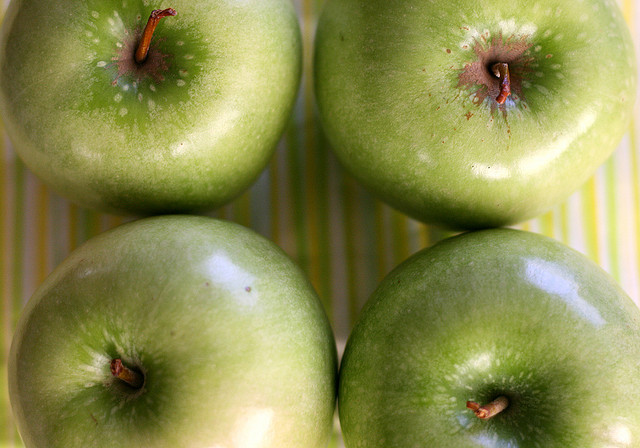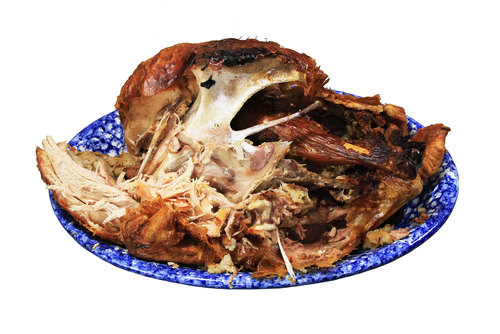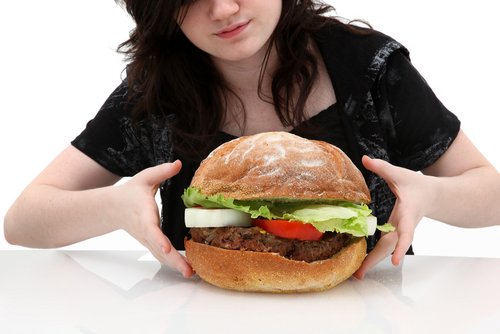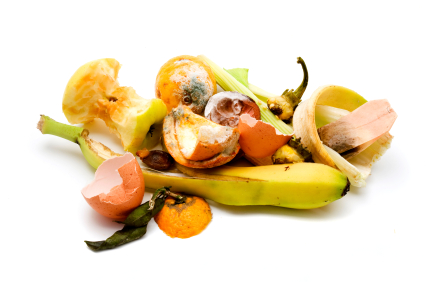
On the surface, it’s a common display. A bin of apples with a sale sign greets customers as they enter the grocery store. Behind the scenes, however, it’s unchartered territory. Those apples are too small to be considered sufficient quality, or grade, for retail grocery stores. They were destined to be juice, cattle feed, or maybe even landfill waste until a few crafty folks and a bold supermarket decided to break the grade barrier.
Meet FoodStar and its courageous partner Andronico’s Community Market, a small Northern California grocery chain. Together, they are taking a chance on the idea that maybe we consumers aren’t as picky as most supermarkets seem to think we are. Maybe we’d be willing to buy a slightly smaller apple that only has 37 percent red coverage instead of the requisite 40 percent needed to qualify as the “fancy” grade that stores usually buy (yes, it’s actually measured). Maybe we consumers would even consider it a score to get a bag of Pink Lady apples for just 69 cents per pound.
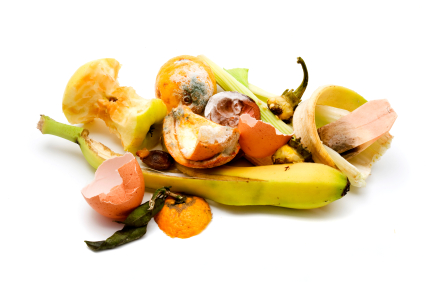
Last month, the Natural Resources Defense Council released a survey of farmers that indicated sometimes as much as 30 percent of fresh produce does not make it off the farm. This is a waste of nutrition in addition to all of the money and resources that went into growing that food. One key driver that causes fruits and veggies to be left on the field or fed to cattle is that they are not cosmetically perfect enough to meet the high standards that grocery stores mandate. Many retailers insist that fruits and veggies meet exact cosmetic criteria, including specifications for size, color, weight, and blemish level -- leading to culling and incorporating waste as part of doing business. Waste, however, is not cheap. The U.S. Department of Agriculture estimates that supermarkets lose $15 billion [PDF] each year in fruit and vegetable losses alone.

Macklemore credits Seattle parks with launching his rap career
What the frack do we know? (Not much)
Holland is better than we are at everything 

This past January, the European Parliament adopted a
OK, that’s not entirely true. During World War II, the U.S. government had a massive campaign, with posters that still make for good kitchen decorations, to discourage wasted food in order to save food for the army. One of my favorites is “When you take more than you can eat, you cheat your buddies in the fleet.”
Americans waste about half our food. (Photo by
Photo: Melissa
Photo by Frank Farm.