Articles by Darby Minow Smith
Darby Minow Smith is Grist's managing editor. Follow her on Twitter.
All Articles
-
![]()
![]()
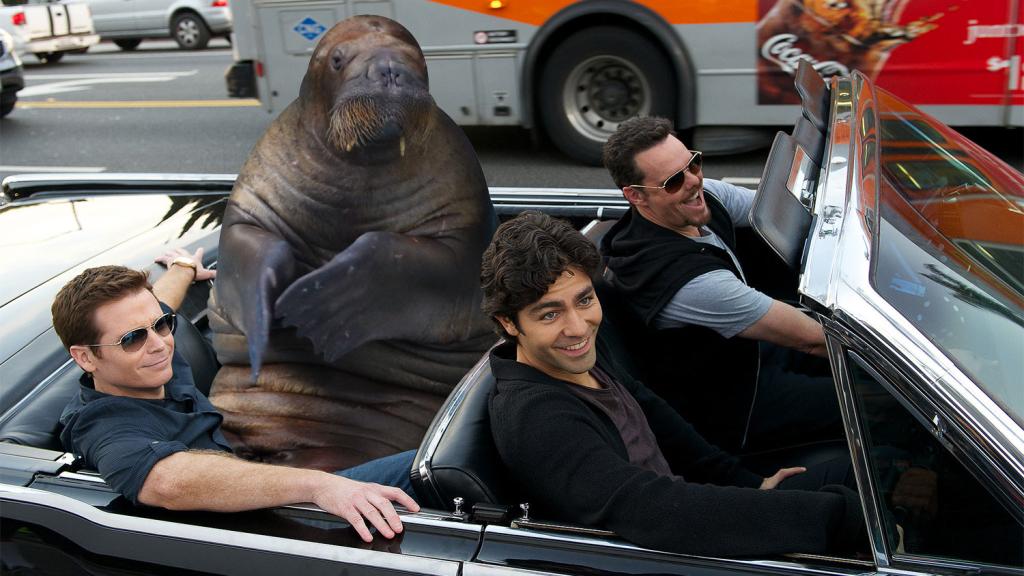
Walrus cam or the Entourage movie? Either way, bunch of dudes on a beach
The boys are back in town. And by boys, we mean Vince, E, Drama, Turtle, Ari, and thousands of male walruses.
-
![]()
![]()
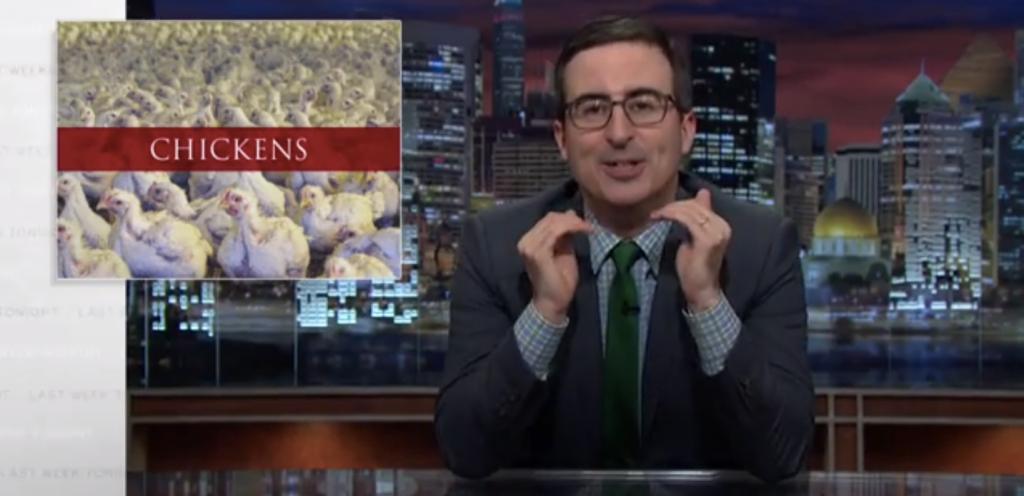
John Oliver lays out everything wrong with our crazy chicken industry
Watch this segment that manages to condense the problems of contract farming and corporate consolidation into 18 hilarious minutes.
-
![]()
![]()
We spent the last month talking to farmers about food. Here’s what matters
Farm size matters because farmers should be able to make a living raising our food without becoming a gigantic operation. Here's why Grist matters, too.
-
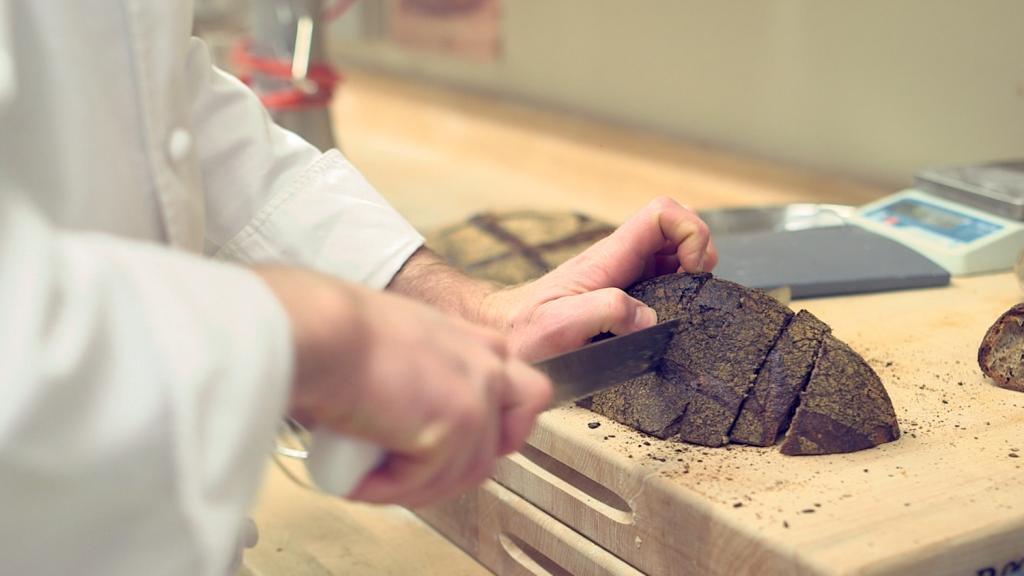
The future of bread comes from a lab — here’s why that’s good
Take a video tour of the Bread Lab and learn how it could reinvent wheat farming.