Articles by David Roberts
David Roberts was a staff writer for Grist. You can follow him on Twitter, if you're into that sort of thing.
All Articles
-
![dejected dog]()
![dejected dog]()
Nothing is nonpartisan any more
Not even behavioral change to reduce energy use.
-
![Laurence Tribe]()
![Laurence Tribe]()
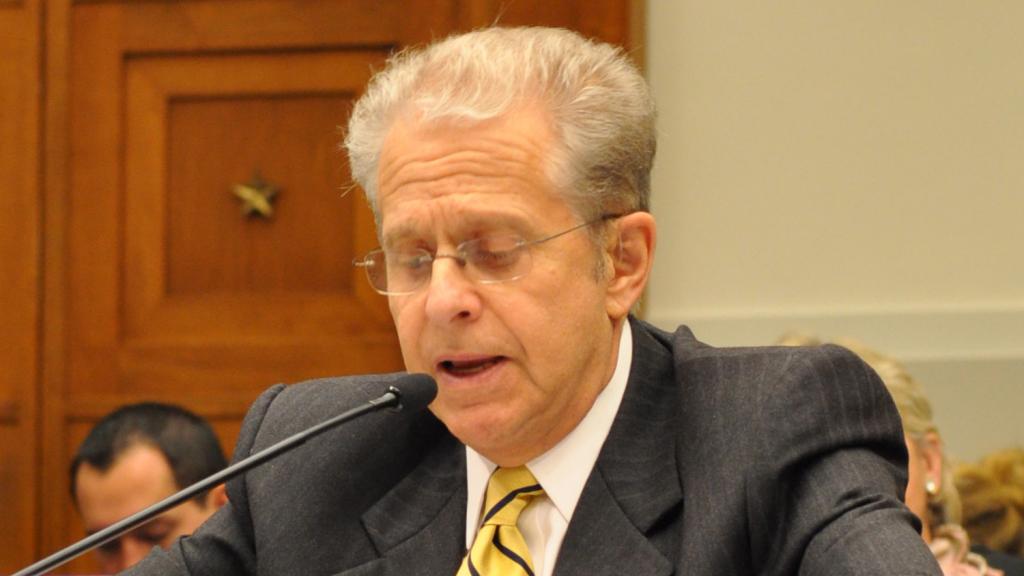
Constitutional scholar Laurence Tribe sells his soul to Big Coal, makes terrible arguments
Tribe, a long-time Obama advisor and liberal in good standing, is taking Peabody Coal money to testify against the EPA's power plant regulations. And his arguments suck.
-
![man and power lines]()
![man and power lines]()
Utilities experience competition, don’t like it, run crying to regulators
Electric utilities are facing increased competition at both the wholesale and retail levels, so they're turning to Big Government for help.
-
![Hillary Clinton & Barack Obama]()
![Hillary Clinton & Barack Obama]()
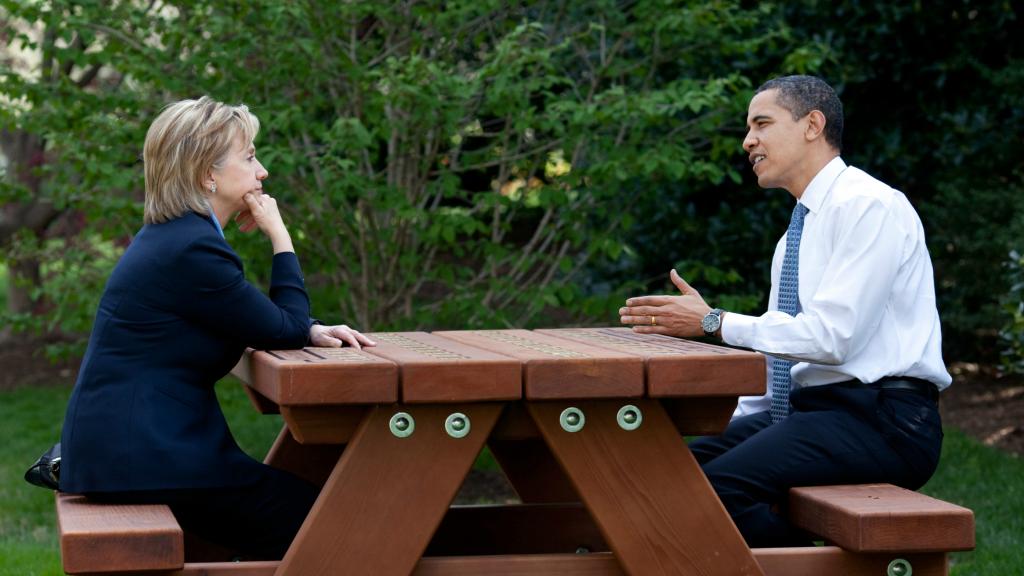
Obama finally understands political polarization. Does Hillary?
The president has given up on working with intransigent Republicans. Meanwhile, Hillary Clinton is talking about "a nice warm purple space.”