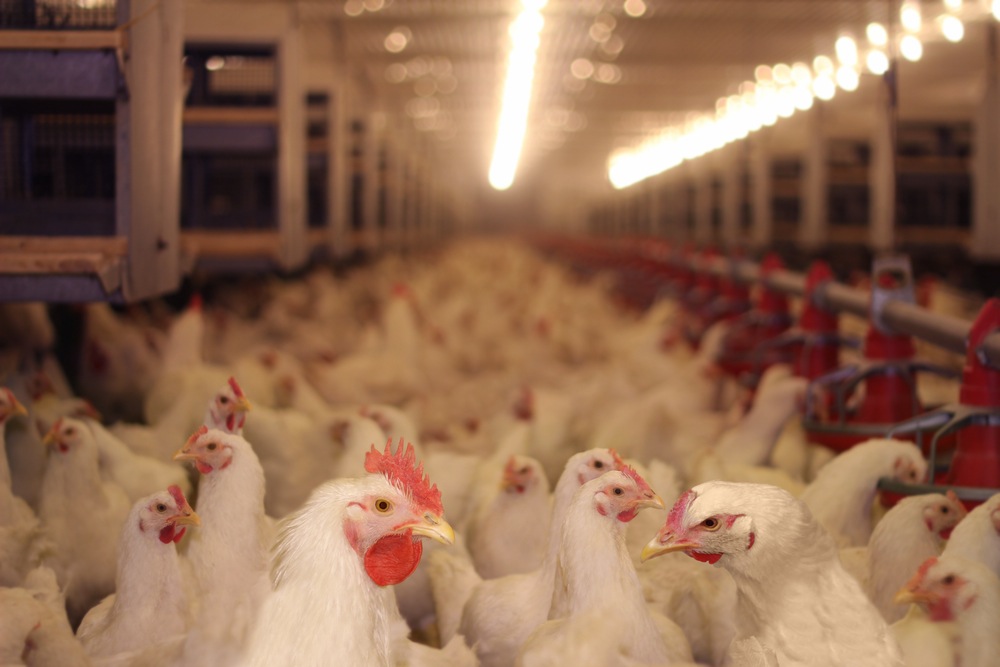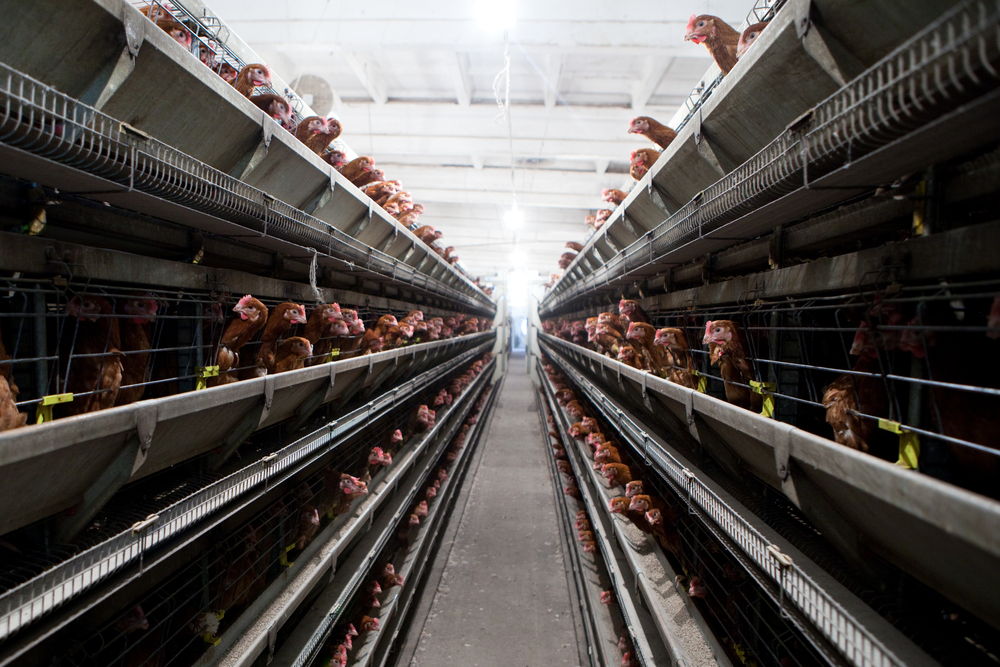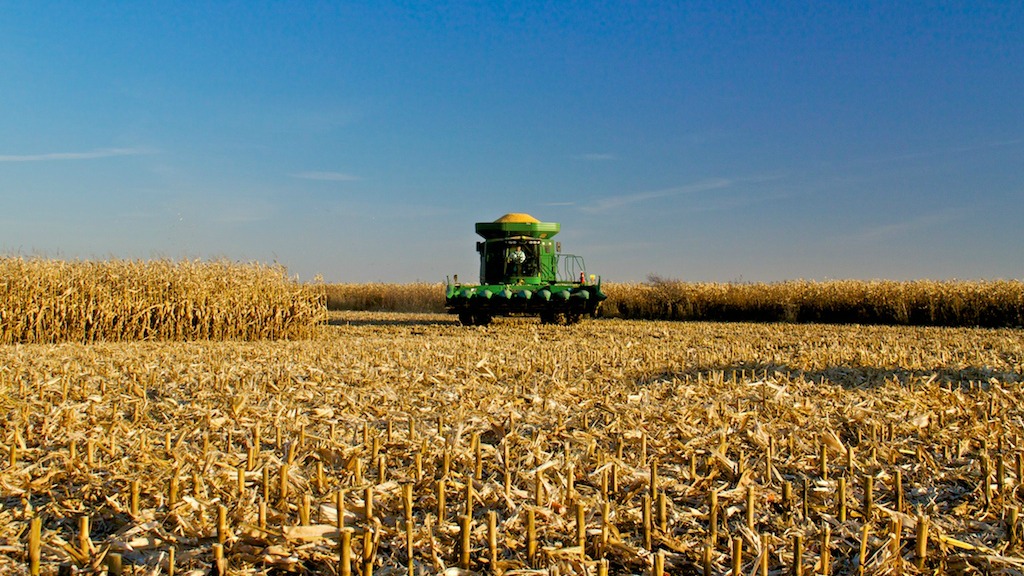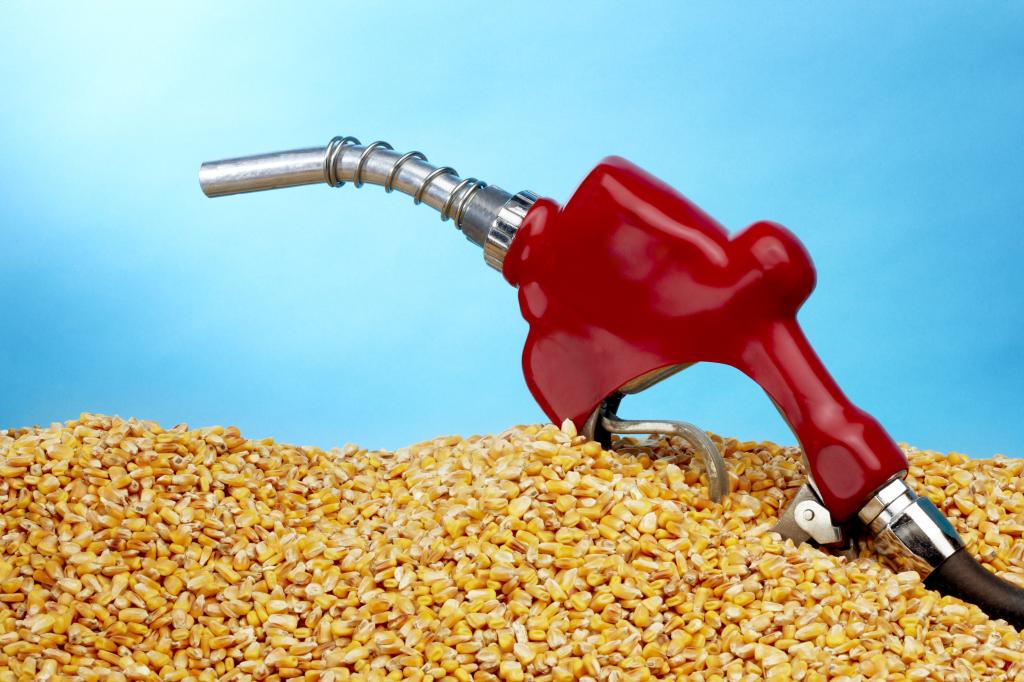
Land that is currently being farmed doesn't capture carbon in the soil.Photo: U.S. Department of Agriculture Cross-posted from the Environmental Working Group. As a possible 2012 Farm Bill looms, the ag committee leaders and their industrial agriculture lobby remoras are sorting through the smoking ruins of the 2011 "Secret Farm Bill" process. They hope to come up with a unified position from which to begin deliberations on a new bill. Sadly, one thing they've all agreed to cut is 7 million acres from the Conservation Reserve Program (CRP). The CRP is administered through the U.S. Department of Agriculture and pays …
Big Ag is pissing away our nation’s rich topsoil
Midwest farmland is more scarred and eroded then previous reports suggested.Photo: Environmental Working GroupBad federal policy and intensifying storms are washing away the rich dark soils in the Midwest that made this country an agricultural powerhouse and that remain the essential foundation of a healthy and sustainable food system in the future. That's the alarming finding of a new Environmental Working Group report that highlights innovative research by scientists at Iowa State University (ISU). The report is titled "Losing Ground," and it shows in stark terms what industrial-scale crop production is doing to our soil and water in the Corn …
Plotting the food revolution at TEDx in New York City
Laurie David delivers inconvenient truths on the food system at TEDx Manhattan.Photo: Jason Houston, via FlickerAttending the TEDx Manhattan event on the future of food and farming was a day-long drink from a fire hose of cutting-edge ideas, sobering realities, and sincere enthusiasm about how America can eat better and farm more sustainably. Since Time's Bryan Walsh offered a comprehensive write-up of the day's highlights here and here, I'm focusing my coverage on conversations I had with attendees and speakers as they came off the stage. Much of the offstage discussion centered on the looming farm bill, the critical legislation …
The only thing 'green' about NASCAR's switch to corn ethanol is the cash
Round and round they go, when such conspicuous energy waste will stop, nobody knows. Photo: Amplified-PhotographyIn a move that USA Today says "could be regarded as economically motivated as well as environmentally aware," NASCAR will adopt an ethanol blend of fuel beginning with the 2011 Daytona 500. This bit of news was welcomed heartily by the corn ethanol lobby, which is facing the prospect of the ethanol tax credit subsidy expiring at the end of the year as well as consumer confusion at fueling stations across the country, as ethanol blends increase only for specific model-year vehicles. Like the ethanol …
Corn subsidies make unhealthy food choices the rational ones
Photo courtesy of Overduebook via FlickrA big reason that food products derived from corn are so pervasive in America's diet today is that for decades taxpayers have given corn growers incentives to grow as much as possible through the skewed federal farm subsidy system. The $73.8 billion lavished on corn since 1995 has helped to churn out a host of cheap and unhealthy foods -- from chips to sugary sodas to high-fructose corn syrup (HFCS). Hold on: Make that "corn sugar." With consumers souring on HFCS, the Corn Refiners Association has embarked on a re-branding effort, as Tom Laskawy mocked, …
The best green films at Sundance
The Sundance Film Festival has long been a celebrated venue for environmental documentaries, due in part to Sundance founder Robert Redford's green sensibilities. An Inconvenient Truth, The Cove, and Who Killed the Electric Car? all attracted critical buzz at Sundance before they made their way into theaters around the country. The festival's 2010 lineup continues this trend with a handful of well-crafted, compelling films that address crucial environmental themes not yet in the public consciousness. Gasland Avant garde filmmaker Josh Fox grew up in Pennsylvania on a pastoral stretch of the Delaware River, which happens to sit on the natural …