Articles by Elisabeth Kwak-Hefferan
Elisabeth Kwak-Hefferan is Grist's "Greenie Pig" -- weathering all manner of inconvenience and insult in the name of forging a more eco-friendly life. She is a freelance writer and special projects editor at Backpacker magazine. Her writing has also appeared in 5280 (Denver's city magazine), Women's Adventure, and Spry.
All Articles
-
![woman hat spying grass]()
![woman hat spying grass]()
The garden plot thickens: Taking guerrilla gardening to the next level
Unsatisfied with seed bombing, Grist's green-living pioneer, the Greenie Pig, reclaims a garbage-strewn staircase landing.
-
![]()
![]()
Plotting a revolution: Inside the mind of a budding guerrilla gardener
Our fearless green-living pioneer prepares for a stealth attack on urban ugliness -- and shows how you can do it too.
-
![]()
![]()
Unleash your inner seed demon: Three easy ways to grow herbs at home
Grist's green-living pioneer, the Greenie Pig, tries raising herbs from seed, and promptly goes gaga over her cute little sprouts.
-
![]()
![]()
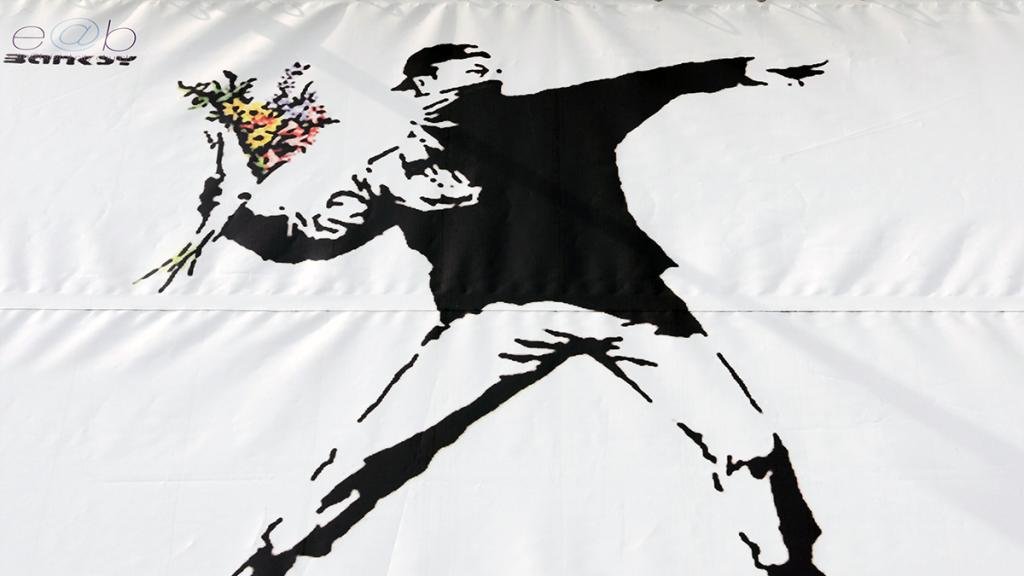
Flower power: Fighting the Man with guerrilla gardens
Grist’s green-living pioneer sets out like a modern-day, anarchist Janie Appleseed, lobbing "seed bombs" in an effort to pretty up her city.