Ellen Cantarow's posts RSS feed


Comments

Against the grain: Fracking companies mine rural Wisconsin for sand

A version of this article originally appeared on TomDispatch.

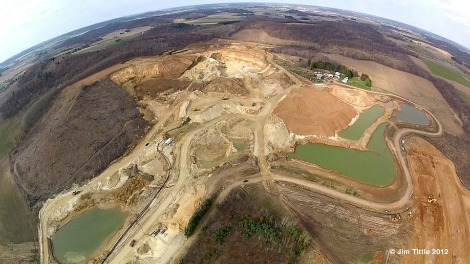
A sand mine near Chippewa Falls, Wis. (Photo by Jim Tittle/The Price of Sand.)

If the world can be seen in a grain of sand, watch out. As Wisconsinites are learning, there’s money (and misery) in sand -- and if you’ve got the right kind, an oil company may soon be at your doorstep.

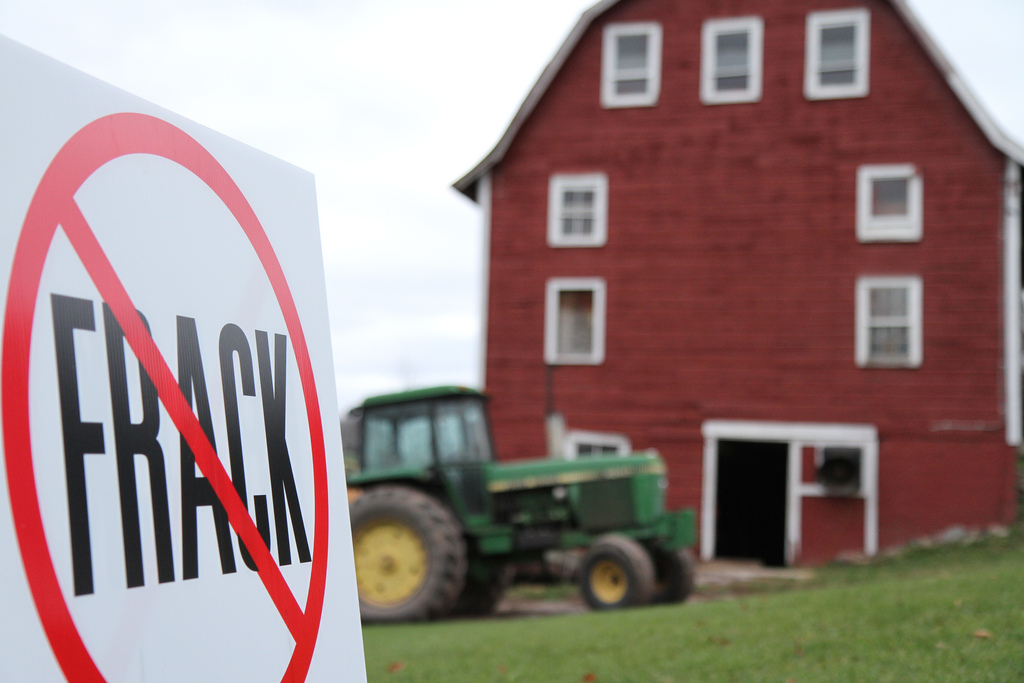
March in Wisconsin used to mean snow on the ground, temperatures so cold that farmers worried about their cows freezing to death. But as I traveled around rural townships and villages in early March to interview people about frac-sand mining, a little-known cousin of hydraulic fracturing or “fracking,” daytime temperatures soared to nearly 80 degrees -- bizarre weather that seemed to be sending a meteorological message.

In this troubling spring, Wisconsin’s prairies and farmland fanned out to undulating hills that cradled the land and its people. Within their embrace, the rackety calls of geese echoed from ice-free ponds, bald eagles wheeled in the sky, and deer leaped in the brush. And for the first time in my life, I heard the thrilling warble of sandhill cranes.

Yet this peaceful rural landscape is swiftly becoming part of a vast assembly line in the corporate race for the last fossil fuels on the planet. The target: the sand in the land of the cranes.

Five hundred million years ago, an ocean surged here, shaping a unique wealth of hills and bluffs that, under mantles of greenery and trees, are sandstone. That sandstone contains a particularly pure form of crystalline silica. Its grains, perfectly rounded, are strong enough to resist the extreme pressures of the technology called hydraulic fracturing, which pumps vast quantities of that sand, as well as water and chemicals, into ancient shale formations to force out methane and other forms of “natural gas.”

That sand, which props open fractures in the shale, has to come from somewhere. Without it, the fracking industry would grind to a halt. So big multinational corporations are descending on this bucolic region to cart off its prehistoric sand, which will later be forcefully injected into the earth elsewhere across the country to produce more natural gas. Geology that has taken millions of years to form is now being transformed into part of a system, a machine, helping to drive global climate change.

this story continues
Read more: Article, Natural Gas
 

Comments

Are Canada’s disastrous tar sands coming your way?

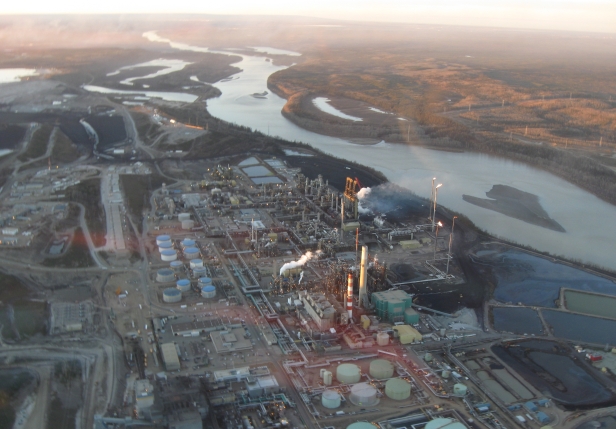
Alberta's scenic tar sands.Photo: Suncor EnergyThis essay was originally published on TomDispatch and is republished here with Tom's kind permission. For years, "not in my backyard" has been the battle cry of residents in Cape Cod who stand opposed to an offshore wind farm in Nantucket Sound. The giant turbines will forever mar the beauty of the landscape, they say. Energy is ugly. Some forms more so than others, as nuclear near-meltdowns in Japan, the BP disaster in the Gulf of Mexico, and deaths in a West Virginia coal mine explosion have driven home in the last year. Energy kills …

this story continues
 

Comments

The Gulf Coast joins an oil-soiled planet

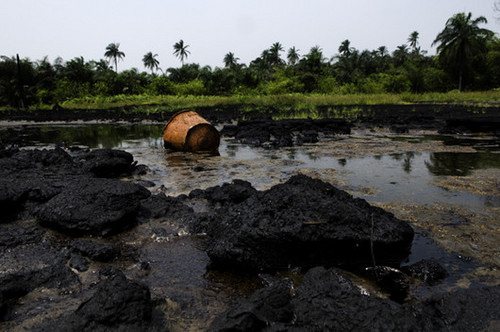
More oil is spilled in the Niger Delta every year than has been spilled in the Gulf so far.Photo courtesy Amnesty International Italia via FlickrThis essay was originally published on TomDispatch and is republished here with Tom's kind permission. If you live on the Gulf Coast, welcome to the real world of oil -- and just know that you're not alone. In the Niger Delta and the Ecuadorian Amazon, among other places, your emerging hell has been the living hell of local populations for decades. Even as I was visiting those distant and exotic spill locales via book, article, and …

this story continues

Ellen Cantarow RSS feed

Ellen Cantarow is a journalist whose work on Israel/Palestine has been published widely for 30 years including at TomDispatch. She is now working on climate change and big oil, which have much to do with the Middle East, Israel, and Palestine, as well as the rest of the planet.

Advertisement
Advertisement
advertising