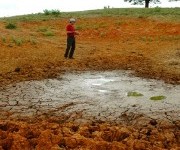
This pond in Texas dried out by late June.Photo: agrilifetodayVery few urban dwellers have paid attention to the catastrophic drought in the Southwest that began nearly a year ago. But last month, as farmers and ranchers assessed the year's harvest, it became clear it had knocked back their yields and sales, while driving their costs higher than they have ever been. As the drought continues to drive both meat and vegetable food prices up over the next year, urbanites in the region and beyond will likely notice the change in prices; but whether they will make the connection between drought, …
Gary Nabhan's Posts
Mom-and-pop vs. big-box stores in the food desert
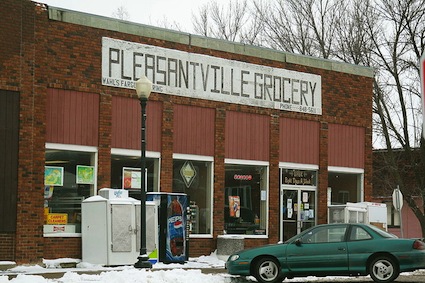
A locally owned grocery in Pleasantville, Iowa. Photo: Ashton B Crew, wikimedia commonsA few weeks ago, when the Obama administration released its Food Desert Locator, many of us realized that a once-good idea has spoiled like a bag of old bread. If you go online and find that your family lives in a food desert, don't worry: You have plenty of company. One of every 10 census tracts in the lower 48 has been awarded that status. Two years ago, when one of us (Gary) moved to the village of Patagonia, Ariz., he inadvertently chose to reside in what the …
High, dry, and up against a wall: Why water and food justice are key to ending border conflicts
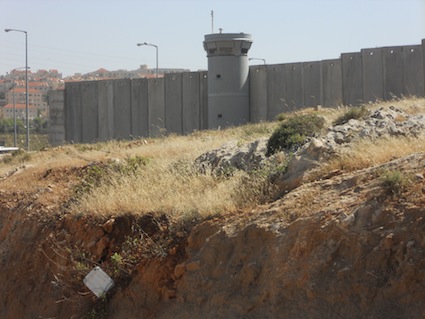
Not-so-great wall: Palestinian farmers say the real problem is the way water flows beneath this brutalist structure.Photos: Gary NabhanFor someone who lives within 12 miles of the infamous wall along the U.S.-Mexico border, it was an odd feeling to travel along the wall between Palestine and Israel last week just as Osama bin Laden's death was announced to the world. Odd, because the parallels between the two desert regions are so remarkable. Palestinian farmers I spoke with were not interested in talking about the wall itself, nor the killing of bin Laden, nor the Hamas-Fatah unification. Instead, they wanted to …
Chile crisis of 2011 reveals need for more resilience and diversity on the farm
Chile crops just couldn't take the heat from the February cold snap.Photo: Demetri MouratisWhat a difference a few days of aberrant weather can mean to our food security, our pocket books, and our penchant for hot sauce. The record freeze that hit the U.S. Southwest and Northern Mexico in early February is still affecting vegetable availability and food prices in general more than 6 weeks after the catastrophe. Restaurants across the U.S. are rationing peppers and tomatoes on their sandwiches and in their salsas. Prices for peppers have jumped as much as 50 percent, and for tomatoes by 15 percent, …
Global weirding and the scrambling of terroir
Photo: Stuck in CustomsThe Driftless region in southwestern Wisconsin is renowned for its apples, with their intense flavors favored in marketplaces as far away as Detroit. But when I arrived there in late September to search with friends for heirloom apple varieties, we had trouble finding any apples left on the trees at all. "This has been the strangest year for apple growing within my memory," orchardist Dan Bussey conceded. The apple crop ripened nearly two weeks ahead of time, and due to a late frost, several late-season windstorms and most orchards, the crop in southern Wisconsin was quite sparse, …
Oil spill threatens to smother Gulf Coast food cultures
Normally this Louisiana boat would be trawling for shrimp, not oil(Photo courtesy Juanita Constible via Flickr) With more than 20 million gallons of oil already let loose in the Gulf of Mexico, fishermen, gator hunters and even farmers are waking up to the fact that the diversity of foods they depend upon for their livelihoods is imperiled. This month, the Renewing America's Food Traditions (RAFT) alliance will release a comprehensive checklist of over 240 place-based foods of the Gulf Coast that are now at risk -- 138 of them directly affected by the oil spill. In particular, of some 136 …
What’s driving our favorite fruit into decline?
The Calville Blanc d'Hiver, an heirloom variety dating from 15th-century France, will not be showing up in your supermarket, nor will the others in the slideshow below. Photo: Michaela/The Gardener's EdenYou've heard the hackneyed phrase "as American as apple pie." But America is not taking care of the apples -- or the orchard-keepers -- that have nourished us for centuries. In 1900, 20 million apple trees were growing in the U.S.; now, not even a fourth remain in our orchards and gardens. Today, much of the apple juice consumed in the U.S. is produced overseas. Of the apples still grown …
Drought drives Middle Eastern pepper farmers out of business, threatens prized heirloom chiles
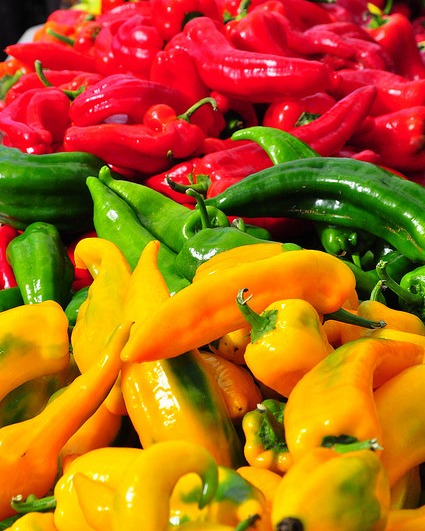
Editor's note: This marks the launch of Climate Change and Food Culture, a series of posts by Gary Nabhan about how climate change threatens to stamp out some of the globe's most celebrated foodstuffs, and along with them the farming and cooking cultures that created them. ------------- Dazzling diversity under threat: a woman sells peppers in a Central Asian bazaar. Most Turks live on the water's edge in the far western reaches of their vast country. But many of the spices that perfume the air in Turkey's famous urban bazaars come from the nation's southeastern farming areas of Sanliurfa and …
Don't let a chance to save the butterfly flutter by
A couple of weeks ago, while the federal government was removing peregrine falcons from the list of endangered species, I was out watching the first monarch butterflies migrate through the desert on their way to Mexico. I saw both the migratory monarchs and their homebody cousins, the butterflies known as Queens, hovering around the lovely flowers of a milkweed native to Western farmlands and ranchlands. And I listened to the radio as Interior Secretary Bruce Babbitt recounted the story of how peregrines bounced back from the brink of extinction, thanks to the banning of the pesticide DDT and the enforcement …

Spared by climate change: 10 best cities to ride out hot times
This pedal-powered contraption can run a computer or churn butter
Zen and the art of bridge maintenance