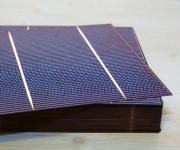
Photo by Kyrylo Kalugin.
The “emissions gap” is the difference between “business-as-usual” greenhouse gas emissions, which continue to rise, and the level such emissions actually need to fall to in order to keep average global warming below 2 degrees C (3.6 degrees F) — the goal that was internationally agreed to at the Cancun climate talks in 2010.
To keep warming below that level, we’d have to have achieved a cut of 12 billion tonnes of greenhouse gas emissions by 2020. That’s the gap we must bridge.
In spite of the tremendous effort by the United Nations Framework Convention on Climate Change Secretariat, negotiations to start reducing global greenhouse gas emissions are going through a difficult stretch. The negotiations have increasingly turned into “I will only accept limitations on my economy if I’m absolutely sure you will do the same for yours,” obscuring the fact that many emissions reduction measures have multiple benefits. Attention is shifting to a treaty that takes effect from 2020, and the country commitments for the period 2012-2020 would cl... Read more