Articles by Philip Bump
Philip Bump wrote about the news for Gristmill. He now writes for The Atlantic Wire.
All Articles
-
![]()
![]()
What a Cabinet shake-up could mean for energy and the climate
Lisa Jackson at EPA, Steven Chu at the Dept. of Energy, and Ken Salazar at Interior are all rumored to be on the way out. Who might replace them?
-
![]()
![]()
The fake ‘War on Coal’ continues, and a coal boss shares his prayer for a doomed nation
Post-election, coal stocks are down and coal-mine owner Robert Murray is praying for forgiveness for the "drastic decisions" he now must make.
-
![Hurricane Sandy]()
![Hurricane Sandy]()
The Times’ thorough overview of climate change’s new political moment
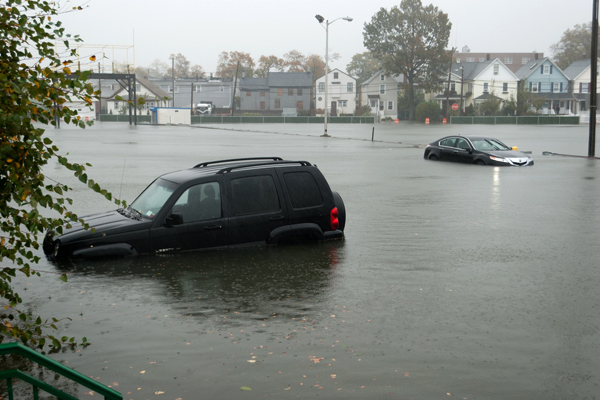
In the New York Times today is a handy overview of environmental politics over the course of Obama’s first term, focused on the new, post-Sandy reality. Just getting up to speed after, like, a Rip van Winkle-sort-of thing? Read it. Well, everyone else might want to take a look, too; that’s why I’m putting up […]
-
![]()
![]()
Extremely bad news, everyone: McDonald’s sales are down for the first time in years
We'll get through this together, if we all promise to eat crap for a while.