Articles by Philip Bump
Philip Bump wrote about the news for Gristmill. He now writes for The Atlantic Wire.
All Articles
-
![]()
![]()
How rain on Election Day helps Republicans
Not covered: How rain on your wedding day is ironic.
-
![]()
![]()
ExxonMobil contributes to Hurricane Sandy
$1 million dollars. What'd you think we meant?
-
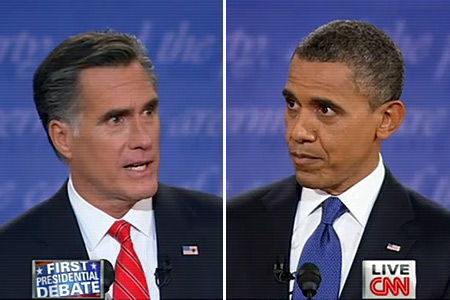
![President Obama and Mitt Romney in the first of three presidential debates.]()
![President Obama and Mitt Romney in the first of three presidential debates.]()
Attention: There is a presidential election today
Here's everything you need to know, sort of.
-
![]()
![]()
Pennsylvania agency didn’t mention water pollution near fracking site because no one asked
The Pennsylvania Dept. of Environmental Protection found copper, zinc, nickel, and titanium near a fracking site, but failed to tell anyone.