Paramount / Everett Collection
It’s a lovely day to be flying across the Atlantic. Cruising at a tidy 40,000 feet, the Heathrow-bound jet pilots kick their feet up at the sight of clear, cloudless skies.
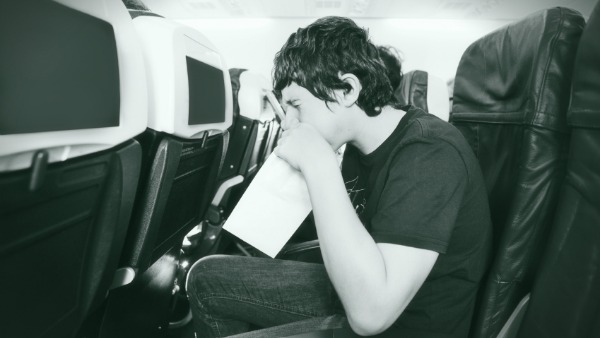
But then — WHOOOSH! — the plane hits a renegade, invisible patch of mad turbulence, plummeting 100 feet in seconds. Glasses of Merlot splatter red on $2,000 bespoke suits. Plastic cups of Diet Cokes soak Macbook Airs and Earl Grey scalds shrieking grandmothers trapped in their chairs. Babies fly from their mothers’ arms, while passengers unfortunate enough to be out of their seats go careening into strangers’ laps. Screams fill the cabin. Vomiting ensues.
Welcome to the Plane Ride From Hell, coming more often to an airline near you thanks to — you guessed it — climate change. While this imagined scenario might be an ever-so-slight exaggeration, new research published today in Nature Climate Change points to increased turbulence frequency and strength due to our ongoing greenhouse gas bonanza.
According to the paper, clear-air turbulence — that is, the kind that satell... Read more