Skip to content Skip to site navigation

Ron Cassie's Posts

Comments

Bike Party — a fresh new way to take back the streets

bike prom 2
O'Doherty Photography

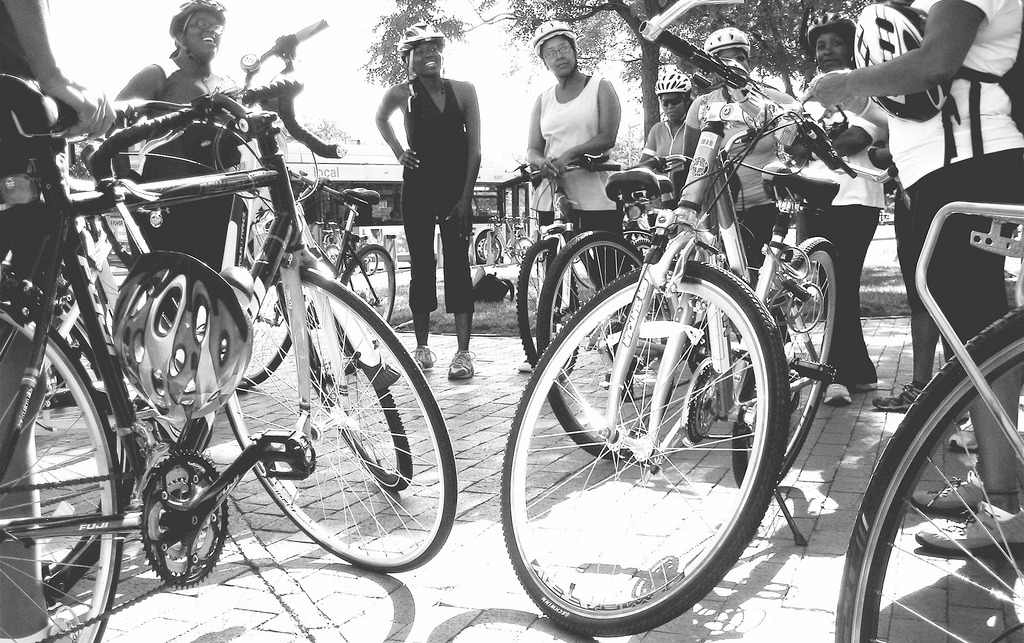
As with all great parties, I heard Friday night’s bike fiesta before I found it. Pedaling my old-school aluminum Trek road bike up one of Baltimore’s main drags -- in a black bow tie, ruffled shirt, and cummerbund, naturally -- I suddenly caught Whitney Houston’s “I Want to Know What Love Is” blasting from a nearby park. And then, up the hill a little further, I saw the 20-, 30-, and, yes, 40-something couples in retro tuxes, chiffon and satin gowns, with flowers in their lapels and corsages on their wrists, posing for pictures next to decorated bicycles.

There were even women with tiaras atop their helmets. One friend managed to dangle a sparkling disco ball off the front of her handlebars -- lit by her bicycle light once we started riding and the sun went down. Close to 1,000 people in all. Not everyone, but most, dressed to the nines for that once-in-a-lifetime occasion.

Welcome to Bike Party: Bike Prom edition, part of a burgeoning movement nationwide that is putting the fun into bicycling activism.

Last April, the traditional, anarchy-inspired Critical Mass rides here evolved (how long can something be both traditional and anarchist?) into the newer, safer, more traffic-friendly -- and happier -- last-Friday-of-every-month Baltimore Bike Party. Critical Mass rides, for the unfamiliar, date back two decades and have taken place in cities all over the world. They are historically political, punk, and confrontational in manner.

Bike Party, by contrast, is gentle, '60s-style protest/celebration. It’s theater, activism, bicycling, and social gathering all at once. Or, as I overheard one woman tell a girlfriend on a ride: “It’s like everything I love rolled into one ... and it’s going out on Friday night to a great party.”

Read more: Cities

Comments

Diving deep: Susan Shaw, ocean crusader and environmental health pioneer

Cross-posted from Urbanite.

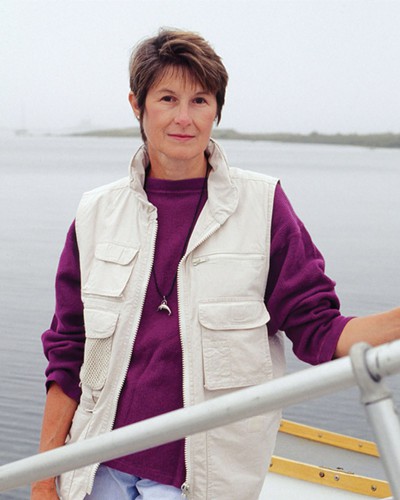
In 1983, with the encouragement and support of iconic landscape photographer Ansel Adams, Susan Shaw wrote Overexposure, a research book on the dangers of photographic chemicals. With an M.F.A. from Columbia University already in hand, she completed a Ph.D. in Environmental Health Sciences from Columbia's School of Public Health. She was among the first researchers to document and study the presence of perfluorinated chemicals, flame retardants, and cancer-causing chemicals -- many found in consumer products -- in the tissue of harbor seals and marine fishes.

Shaw is the founder and director of the Marine Environmental Research Institute in Blue Hill, Maine, and a professor of Environmental Health Sciences at the State University of New York in Albany. A well-known figure in the fight against ocean pollution, she has provided commentary in several documentary films on the Gulf of Mexico oil disaster, including Animal Planet's Black Tide: Voices of the Gulf and Green Planet's The Big Fix, which was an official selection documentary at the 2011 Cannes Film Festival.

Last year, the Society of Women Geographers named Shaw its Gold Medal Award recipient, the organization's highest honor, first given to Amelia Earhart in 1933.

Read more: Animals, Oil, Pollution

Comments

What are we made of? One word: Plastics

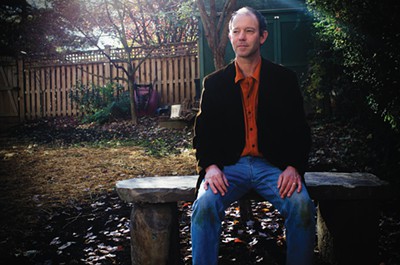
This story originally appeared in Urbanite. In What's Gotten Into Us? Staying Healthy in a Toxic World, McKay Jenkins sounds an alarm on the chemicals that we unknowingly ingest and inhale daily.Photo: J.M. GiordanoAfter the discovery of a tumor near his hip, McKay Jenkins, married, father of two, began investigating the manufacturing and consumer use of synthetic chemicals, particularly those in everyday products such as plastic bottles, cosmetics, toys, carpets, and cell phones. His search eventually lead to a book, published by Random House in April, called What's Gotten Into Us? Staying Healthy in a Toxic World. Jenkins, a professor …

Read more: Green Home, Living, Pollution
Don't miss a green thing!
Get Grist in your inbox every morning.