Articles by Sarah Parsons
Sarah Parsons is a freelance writer and editor based in Washington, D.C. Her work has also appeared in Popular Science, GOOD, Audubon, OnEarth, Plenty, Change.org, and Inhabitat.com, among others.
All Articles
-
![]()
![]()
On 26th anniversary, Chernobyl’s crumbling seal gets new cap
Today marks the 26th anniversary of the Chernobyl explosion, the worst nuclear disaster the world has ever seen. Ukraine officials are gifting the nuclear site with an odd sort of birthday hat — a massive containment cap, or “Chernobyl sarcophagus.” An international drive has raised funds from governments towards building a new permanent covering to […]
-
![]()
![]()
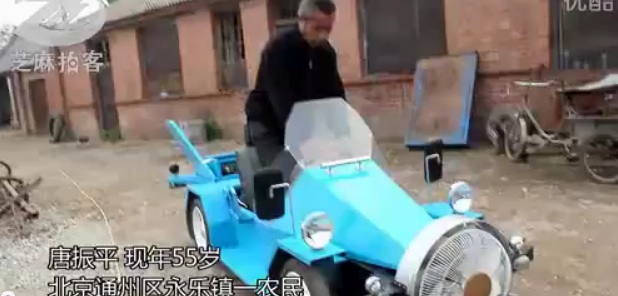
Chinese farmer builds AMAZING solar- and wind-powered car
Electric vehicles are great and all, but they’re not exactly practical for everyone. Like, how’s a farmer in rural China going to a) afford a pricey green car and b) get enough access to electrical outlets and vehicle charging stations? Well, if he’s Tang Zhengping from Beijing’s Tangzhou Wanji Yongle Town, he’ll build his own […]
-
![]()
![]()
Donald Trump still blowing hot air about Scottish wind farms
Scotland’s plan to build offshore wind turbines would curb climate change, reduce the country’s reliance on foreign oil, and create thousands of jobs. But Donald Trump don’t give a f***. Trump appeared before the Scottish Parliament’s economy, energy, and tourism committee today to speak out against the country’s plan to build offshore wind turbines. His […]
-
![]()
![]()
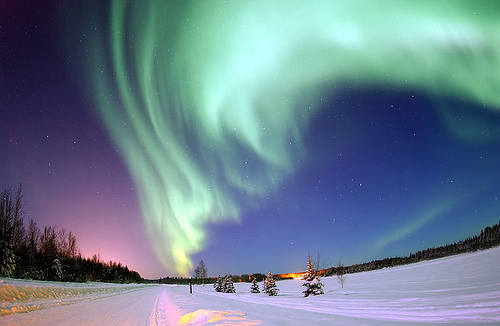
First-ever video from INSIDE the Northern Lights!
To achieve this Herculean feat, GoPro launched cameras on helium weather balloons, capturing images from 100,000 feet above Alaska.