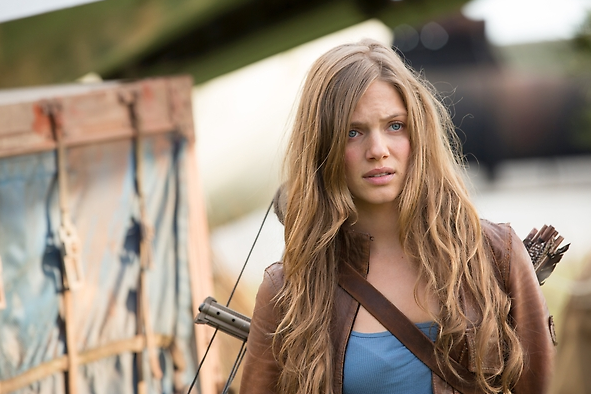
Photo by NBC.
These days it seems Americans like nothing better than grabbing a big bowl of popcorn and settling in for a little end-of-the-world fantasy. The action-packed but relentlessly bleak zombie series The Walking Dead is a big TV hit, and it has plenty of company on the big screen, too: The Road, The Hunger Games, I Am Legend, Contagion, The Book of Eli — you know the ones.
Now NBC is making its contribution to the genre, Revolution, which follows a band of gorgeous and impeccably rumpled survivors living 15 years after all electricity-powered devices mysteriously went dead. Last week’s premiere episode, helmed by J.J. Abrams and Jon Favreau, drew 11.6 million viewers, the most of any TV drama of the last three years. (The second episode is on tonight.)
It seems that we’re hungry for collapse — but why?
Maybe we’re living out our anxieties from the comfort of our living rooms, as many of these apocalyptic stories are centered on real threats to civilization, like nuclear war, climate change, or pandemics. In a post-9/11, post-Katrina, post-financial-collapse world, we’re prett... Read more