Articles by Tom Laskawy
A 17-year veteran of both traditional and online media, Tom Laskawy is a founder and executive director of the Food & Environment Reporting Network and a contributing writer at Grist covering food and agricultural policy. Tom's long and winding road to food politics writing passed through New York, Boston, the San Francisco Bay Area, Florence, Italy, and Philadelphia (which has a vibrant progressive food politics and sustainable agriculture scene, thank you very much). In addition to Grist, his writing has appeared online in The American Prospect, Slate, The New York Times, and The New Republic. He is on record as believing that wrecking the planet is a bad idea. Follow him on Twitter.
All Articles
-
![]()
![]()
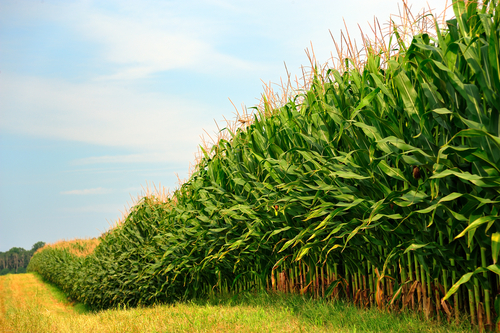
Corn free: Cutting back on our dominant crop is easier said than done
The USDA tells farmers to decrease their risk by diversifying their crops. But when subsidies make corn so profitable, it's an uphill battle to change planting habits.
-
![]()
![]()
Sorry, Michelle, but cheerleading isn’t enough to make Big Food change
The first lady calls on the food industry to lead the fight against obesity. But since junk food is still better for the bottom line, it'll take laws, not just encouragement, to fix our food system.
-
![]()
![]()
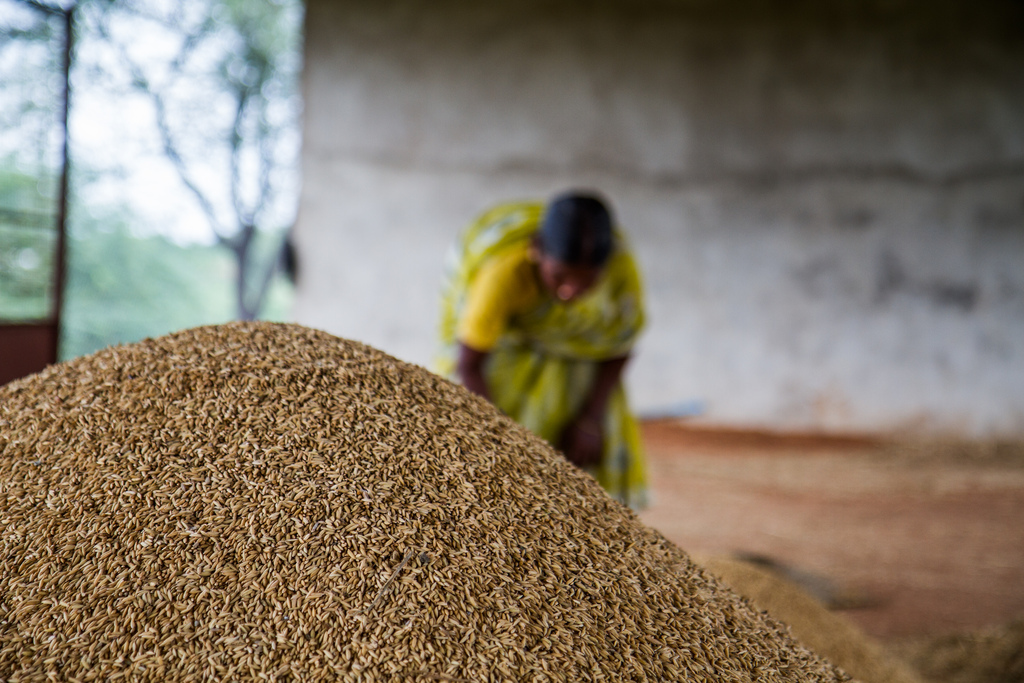
Miracle grow: Indian farmers smash crop yield records without GMOs
Forget what Monsanto's told you: A group of subsistence farmers is breaking harvest records without GMOs or artificial herbicides and fertilizers.
-
![]()
![]()
GMO fail: Monsanto foiled by feds, Supreme Court, and science
Monsanto takes it on the chin as scientists uncover disappointing GM crop yields, more states introduce labeling bills, and the Supreme Court tees up a patent case against the company.