Skip to content Skip to site navigation

Tom Laskawy's Posts

Comments

Feds to farmers: Grow GMO beets or face sugar shortage

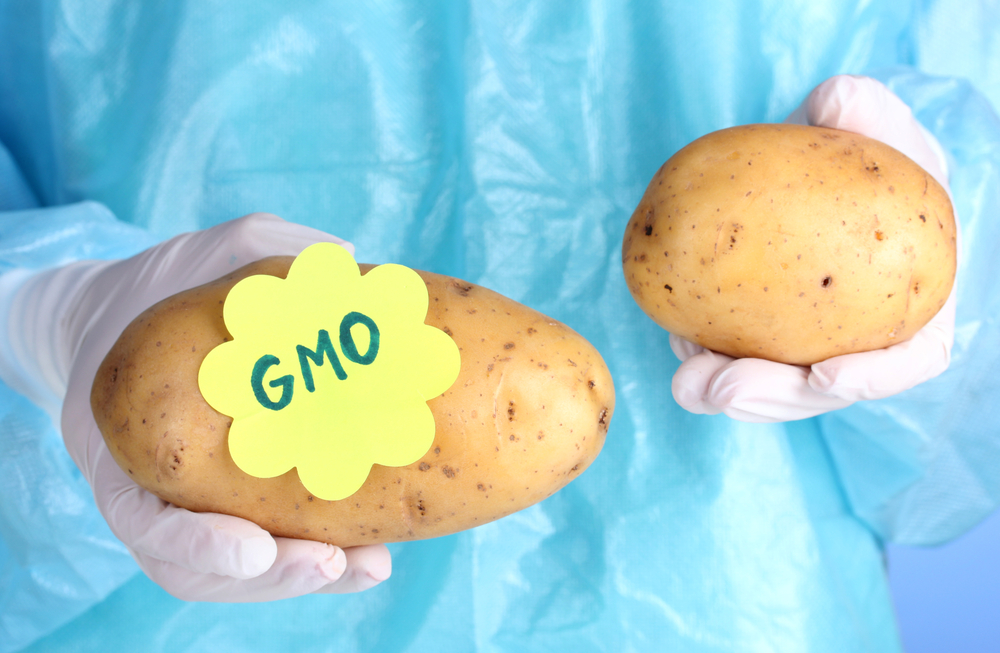
If you’re Monsanto, you’re probably really proud of your genetically modified (GMO) sugar beets. Introduced in 2008, the beets are the company’s most recent Roundup Ready product genetically engineered to withstand the direct application of the herbicide glyphosate. Immediately successful, they took over the sugar beet market within two years. By 2010, 95 percent of the sugar beets grown in the U.S. were Monsanto’s genetically modified variety.

This matters to us all because about 50 percent of white sugar sold here is made from sugar beets. In other words, unless that bag of sugar you just bought is labeled “Certified Organic” or “100 percent cane sugar,” it almost certainly contains sugar made from GMO crops.

Comments

Why Bloomberg’s ‘Big Gulp ban’ could be good for New York City

Ironically, 7-Eleven stores are actually exempt from the ban. (Photo by Shelly Munkberg.)

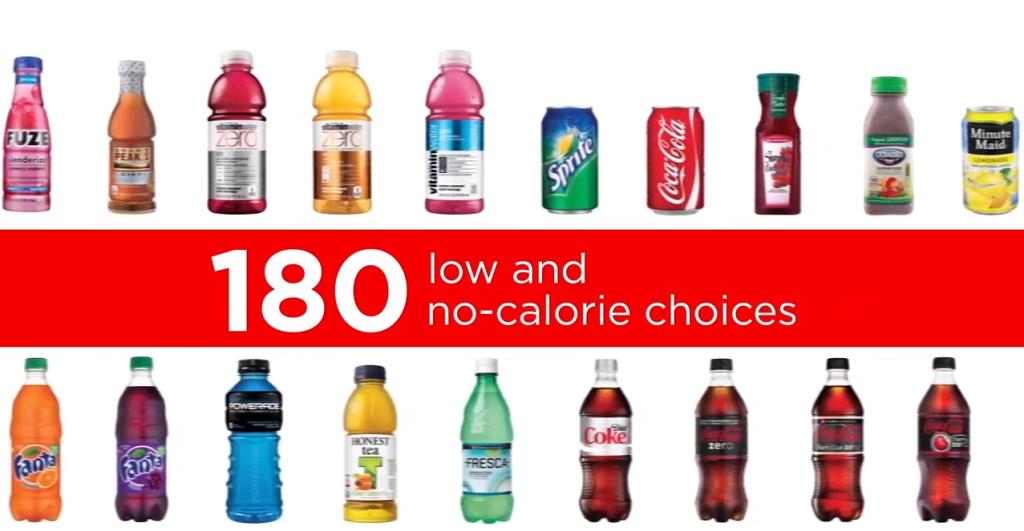
If the food police has a chief, it may very well be New York City Mayor Michael Bloomberg. His battles with the food industry are quickly becoming the stuff of legend. And his latest gambit is his boldest yet: Bloomberg just announced a plan to ban the sale of any sweetened beverage over 16 ounces at all restaurants, delis, and sports arenas in New York City.

And just so the soda industry doesn’t feel singled out, this ban would apply to sports drinks and sweetened iced tea, along with pretty much anything with added sugars -- although the Starbucks Frappucino likely makes it through on a technicality; dairy products like it (as well as fruit juice, “diet” drinks, and booze) are exempted.

This latest move comes on the heels of the city’s successful (and much copied) trans fat ban, as well as its public media campaign against soda called “Don’t Drink Yourself Fat” -- not to mention its proposal to limit salt in processed food. In fact, the Centers for Disease Control confirmed recently that these and many other efforts may be starting to pay off for the Big Apple. The obesity rate in NYC among kids dropped 5 percent over the last five years.

So why enact an outright ban on large drinks when there’s evidence [PDF] that a penny-per-ounce soda tax would have cut consumption while generating needed revenue for the public coffers? Do you really have to ask?

Read more: Food, Scary Food

Comments

File under bad idea: G8 asks Big Ag to take the lead in feeding the world

When President Obama announced a new program during the recent G8 summit to help bolster food and agriculture in developing nations through corporate “pledges,” I was most struck by his choice of partners in the effort. A Reuters report on the announcement read:

The initiative includes a new partnership with agribusiness giants such as DuPont, Monsanto and Cargill, along with smaller companies, including almost 20 from Africa, which will commit some $3 billion for projects to help farmers in the developing world build local markets and improve productivity.

Those three companies are the good food movement’s equivalent of the law firm Dewey, Cheatem & Howe -- not the folks it wants to see put in charge of anything, much less “feeding the world.” These companies believe that exporting western-style industrial agriculture to the developing world (Africa in particular) is key to ensuring enough food for a growing population. And they maintain this position despite the growing evidence that industrial agriculture can’t solve the problem.

Comments

Flame retardants could affect our bodies for generations

Photo by Steve Ryan.

It’s always nice when someone writes an article so you don’t have to. In this case it was New York Times columnist Nick Kristof, who has been doing the thankless job of writing about the health risks of toxic chemicals in our environment, as well as the politicization of the regulatory process that’s supposed to be in place.

From arsenic in chicken feed to cancer-causing chemicals to endocrine disruptors, Kristof has given new visibility to a critical issue: how toxic chemicals affect us, and how reluctant our government has been to protect us.

Comments

Leaked letters suggest Maryland’s governor is henpecked by the chicken industry

Photo by the Chesapeake Bay Program.

The Gulf of Mexico dead zone seems to get all the attention. Yes, the low-oxygen area that forms every year in the waters surrounding the Mississippi Delta is the largest dead zone -- currently around the size of Massachusetts -- but it’s not the only one in U.S. waters.

The Chesapeake Bay has a dead zone, too. In fact, it covered a third of the Chesapeake last year and continues to grow. And last month, the University of Maryland's Center for Environmental Science gave the Bay a D+ in its annual “health report card.”

About a year and a half ago, in response to the crisis, the Environmental Protection Agency (EPA) stepped in to put the states that surround the Chesapeake on a “pollution diet,” meaning the state has to keep its “Total Maximum Daily Load” -- whether from agricultural, municipal, or private landowners -- down to a minimum.

Comments

Do the feds care about antibiotics in animal feed?

Photo by the University of Missouri Extension.

It seems like everywhere we turn, there’s more evidence of industrial agriculture’s reckless use of antibiotics. The latest example: antibiotics in ethanol production.

As we reported recently here on Grist, this isn’t just a waste of important medicines. It may also contribute to the rise of antibiotic-resistant bacteria. And that’s because the main by-product of the ethanol production process, the leftover corn mash known as distillers grains, has become a major ingredient in animal feed over the last decade. More than 30 million metric tons of the made-in-the-USA stuff are fed to beef cattle, dairy cows, and pigs here and abroad every year.

While the Food and Drug Administration (FDA) does not track exact figures, meaning there’s no way to know exactly how much is used, the agency's own research has shown antibiotics like penicillin and erythromycin, which are important for human medicine, at detectable levels in distillers grain. A 2010 study by the FDA’s Center for Veterinary Medicine found enough erythromycin present in samples of the distillers grains it tested to cause resistance to develop in certain bacteria -- compelling evidence that the risks of using antibiotics to make ethanol are real.

Read more: Factory Farms, Food

Comments

Is the ‘obesity lobby’ winning?

A screenshot from the Reuters video report, Food Fight: How the Food Industry outsmarted Washington (click to watch).

The War on Obesity sure was fun while it lasted. There was school lunch reform, Michelle Obama’s Let’s Move campaign, the administration’s Task Force on Obesity report, and an attempt by the administration to restrict junk food advertising to kids. But, as Reuters details in this fantastic deep-dive, the food industry came back with shock and awe, K-Street style:

Read more: Food

Comments

Meet a pesticide even conventional vegetable farmers fear

A still from a promotional video (see below) for the herbicide 2,4-D, which is being marketed as a solution for "superweeds" (picured), which have grown tolerant to other herbicides.

A new coalition is trying to throw sand in the gears of industrial agriculture’s chemical treadmill. And this one just may have what it takes to slow it down. I’m referring to the fight over USDA approval for Dow AgroScience’s new genetically modified corn seeds (brand name “Enlist”), which are resistant to the herbicide 2,4-D.

This is part of biotech’s “superweed” strategy, by which they hope to address the fact that farmers across the country are facing an onslaught of weeds impervious to the most popular herbicide in use, Monsanto’s glyphosate or RoundUp (and in some cases impervious to machetes as well!). Of course, this is a problem of the industry’s own making. It was overuse of glyphosate caused by the market dominance of Monsanto’s set of glyphosate-resistant genetically engineered seeds that put farmers in this fix in the first place.

One of the older herbicides, 2,4-D is a pretty nasty chemical -- it’s been linked to cancer, neurotoxicity, kidney and liver problems, reproductive effects, and shows endocrine disrupting potential -- which is one of the many reasons farmers prefer the more “benign” glyphosate. In fact, on the basis of the scientific evidence, especially related to human cancers, the Natural Resources Defense Council (NRDC) petitioned the Environmental Protection Agency (EPA) several years ago to withdraw its approval for 2,4-D. Earlier this month, the petition was summarily denied.

So it’s interesting to see this new coalition’s opposition to 2,4-D getting so much traction so quickly. Perhaps it’s because the group -- dubbed Save Our Crops -- isn’t made up of environmentalists and sustainable agriculture types, but rather Midwestern and Mid-Atlantic conventional farmers and large food processors (and Organic Valley, the organic co-operative organization which is both a producer and a processor).

Comments

Paper asks: Does high-fructose corn syrup contribute to a rise in autism?

Photo by Robert Bradley.

I know what you’re thinking: “Tom, it’s been ages since you wrote about high-fructose corn syrup.” And you’re right! It has. But as I’m feeling petulantly defiant, I think it’s time to take another look at America’s favorite sweetener. You see, while the HFCS industry still claims there’s no difference between how the body handles HFCS and sugar, a new study has come out suggesting just the opposite. And in a very big way.

The blaring headline version of the new study’s conclusion would read: “High-Fructose Corn Syrup Causes Autism.”

And while that may be a bit of an overstatement, it’s not off by much. In a provocative new peer-reviewed study published in Clinical Epigenetics, researchers led by a former FDA toxicologist purport to have found a very real link between HFCS consumption and autism.

Comments

Where ‘the whole animal’ meets pink slime

Photo by Teresia.

A recent New York Times op-ed declared that sustainable meat is a “myth.” Whether pastured, small-scale, large-scale, rotationally grazed, locavore, industrialized, etc., all meat is essentially the same and none of it is sustainable. So says author James McWilliams who points, as many have, to the climate impact of livestock production.

I take issue with some of McWilliams’ figures (for example, here’s the Environmental Working Group’s explanation of pastured meat's reduced climate footprint), but by and large I agree! Meat production at its current scale -- and the scale it’s projected to reach as the developing world increases its consumption -- is not sustainable. Period.

Don't miss a green thing!
Get Grist in your inbox every morning.