Articles by Twilight Greenaway
Twilight was Grist's food editor from 2011-2012. Follow her on twitter.
All Articles
-
![]()
![]()
Drought: Bad for the Gulf ‘dead zone’ after all?
The nation's drought-withered corn fields aren't taking in anywhere near the amount of nitrogen fertilizer that farmers put on the ground last spring. And the excess could show up in the Gulf of Mexico.
-
![]()
![]()
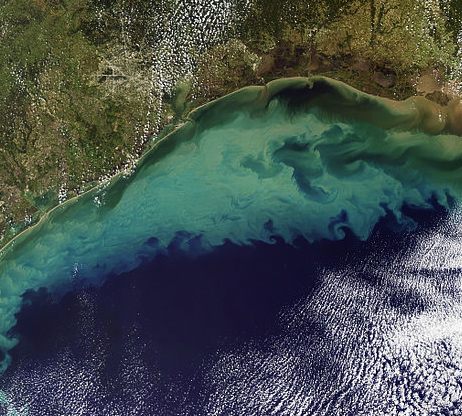
Mixed blessings: A smaller Gulf dead zone offers less to celebrate than you’d think
This year's unusually small Gulf dead zone bucks the upward trend and will give aquatic life a chance to rebound. But it's no reason to breathe easy about nutrient runoff from agriculture.
-
![]()
![]()
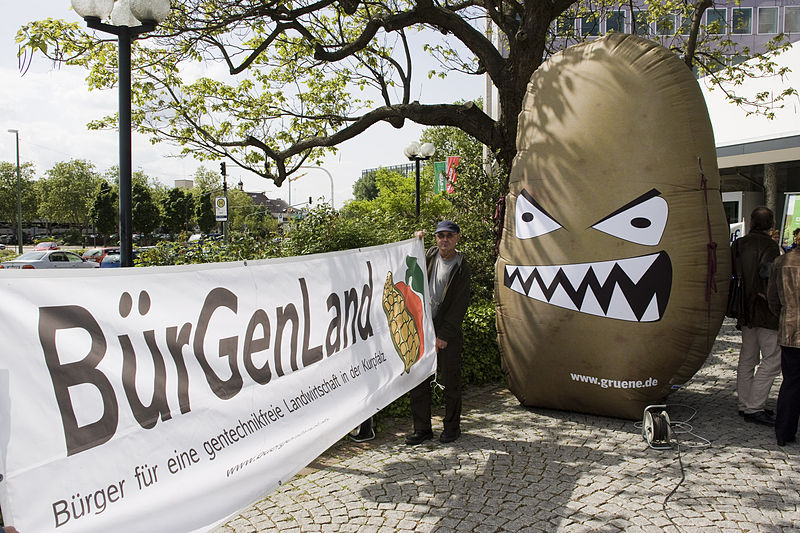
GMO potatoes: Is the biodiversity shortcut worth it?
The Irish potato famine should have taught the food and farming world that crop diversity is crucial. But the genetically engineered potato on trial in Ireland suggests that we haven't actually learned much.
-
![]()
![]()
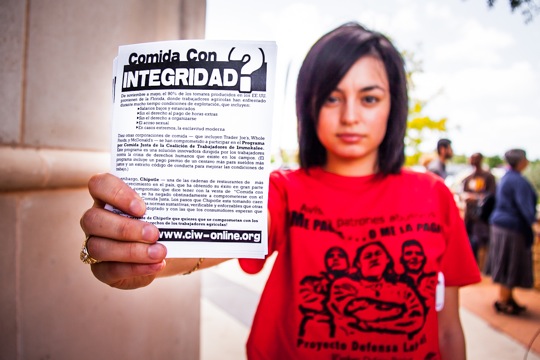
Should the food movement push for better jobs too?
As students rally for farmworkers and unions reach out to foodies, a new report asks: What would it take for the food and labor movements to truly combine forces?