Some good news for congressional Republicans: The president’s threat to take unilateral action on climate isn't looking all that threatening. White House officials are talking about small steps the administration could take, but aren't currently pushing forward on the big executive action that advocates have wanted to see: EPA regulation of greenhouse gases from existing power plants.
During Tuesday night's State of the Union address, the president issued a challenge to Congress to act on climate change. He pointed at previous efforts to pass market-based, cap-and-trade legislation as an example. "If Congress won’t act soon to protect future generations" from the threat of climate change, he warned, "I will."
Prior to the speech, there was some speculation that Obama might announce support for carbon regulations on existing power plants. Last week, the EPA reported that such facilities are the primary source of greenhouse gas emissions in the U.S., which means new rules for the plants would be a powerful step in fighting climate change. The EPA has had the power to impose such regulations for a while, but has so far only proposed measures limiting emissions from brand-new power plants. A threat to regulate old plants, many of which have been belching out carbon and particulate pollution for decades, could be potent.

In a meeting this morning, however, it became apparent that this isn’t going to happen any time soon -- if at all. A small group of reporters from various outlets, myself included, met with several administration officials, including Nancy Sutley, chair of the White House Council on Environmental Quality; Heather Zichal, deputy assistant to the president for energy and climate; and Brian Deese, deputy director of the National Economic Council. Pressed to explain what steps Obama would take if Congress didn't act, the response was underwhelming.
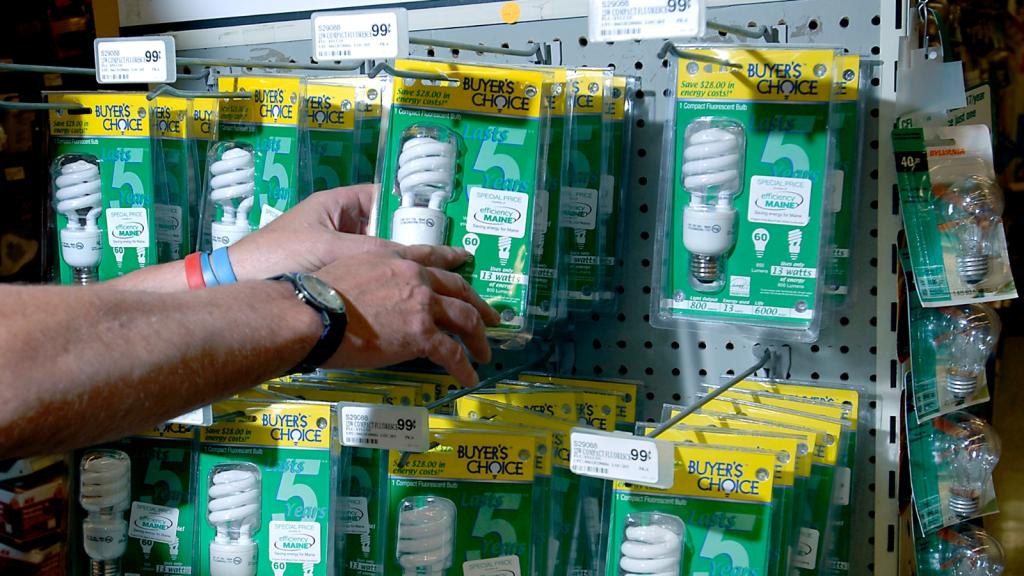
"We're not in a position to say, 'These are the 15 things we're going to do,'" Zichal said, "but I think the point here is that we have demonstrated an ability to really use our existing authority -- permitting-wise, what we can do through the budget -- to make progress." She noted that the administration has opened up federal land to renewable-energy development and reduced greenhouse gas emissions from the government itself. And don't forget the work done to improve the energy efficiency of walk-in freezers and battery chargers.
Which is all fine -- but it seems unlikely that Congress will feel is it forced to address the problem when faced with the prospect of Obama mandating even tighter efficiency standards for commercial appliances.