Climate Food
All Stories
-
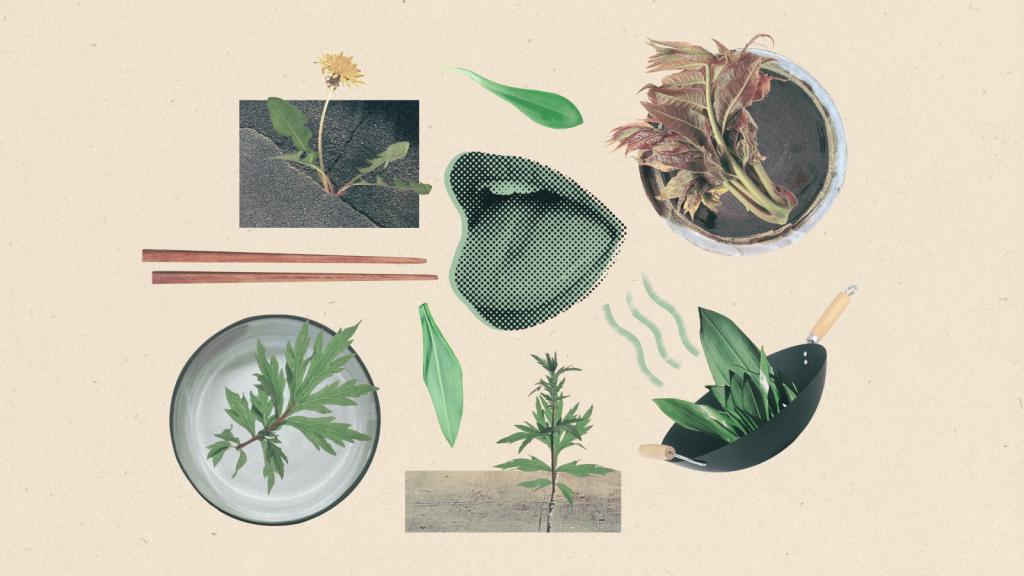
![Collage: an open mouth surrounded by leaves, chopsticks, plates with leafy greens on them, plants growing up from cracks in sidewalks, and a wok with a pile of leaves inside it]()
![Collage: an open mouth surrounded by leaves, chopsticks, plates with leafy greens on them, plants growing up from cracks in sidewalks, and a wok with a pile of leaves inside it]()
How foraging for edible plants helped me connect with my roots
What started as foraging for mugwort in New York City became a new way to think about migration and belonging.
-
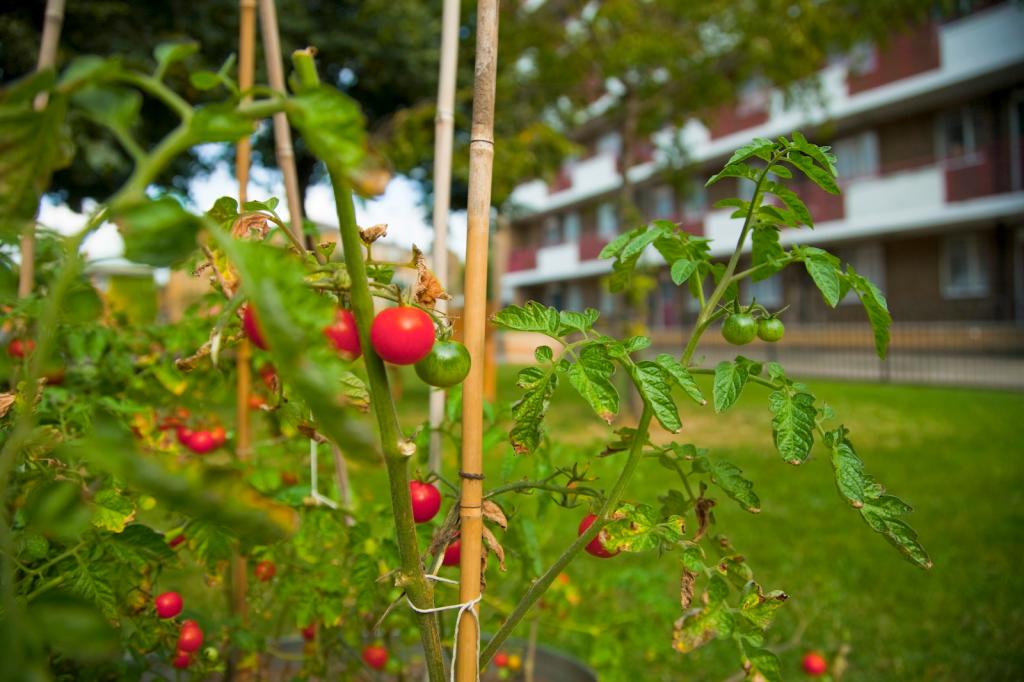
![red and green cherry tomatoes grow on bamboo poles in front of a block of apartment buildings]()
![red and green cherry tomatoes grow on bamboo poles in front of a block of apartment buildings]()
Study: Tomatoes grown in lead-contaminated soil appear safe to eat
It's good news for tomato lovers, mixed for urban gardeners.
-
![A droopy stalk of wheat silhouetted in the sunset.]()
![A droopy stalk of wheat silhouetted in the sunset.]()
Heatflation: How sizzling temperatures drive up food prices
As heat waves strike Europe and China, crops are withering.
-
![]()
![]()
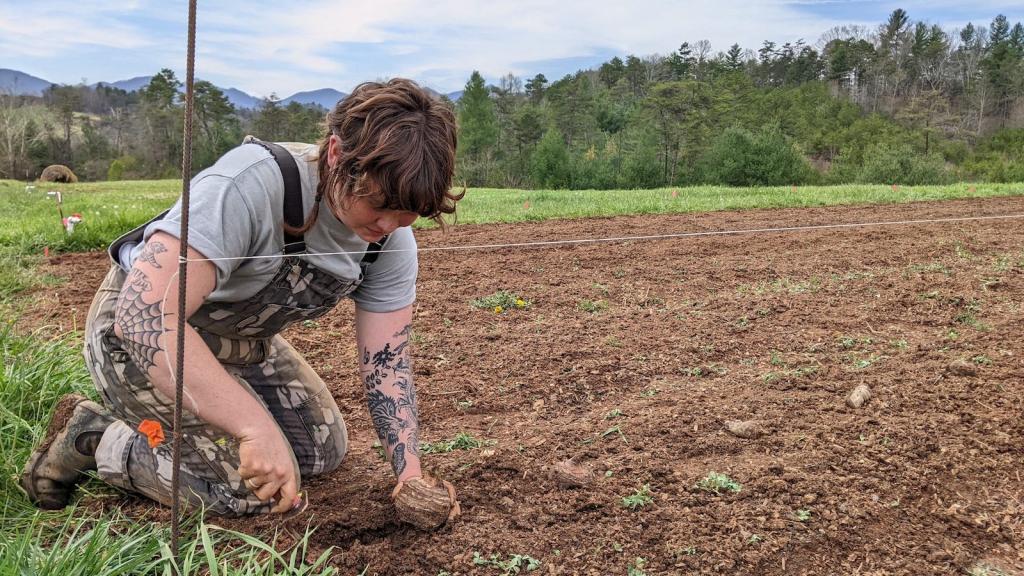
As North Carolina warms, one farm is turning to a tropical crop: Taro
It’s part of a larger effort to make the food system more resilient to climate change — and more delicious.
-
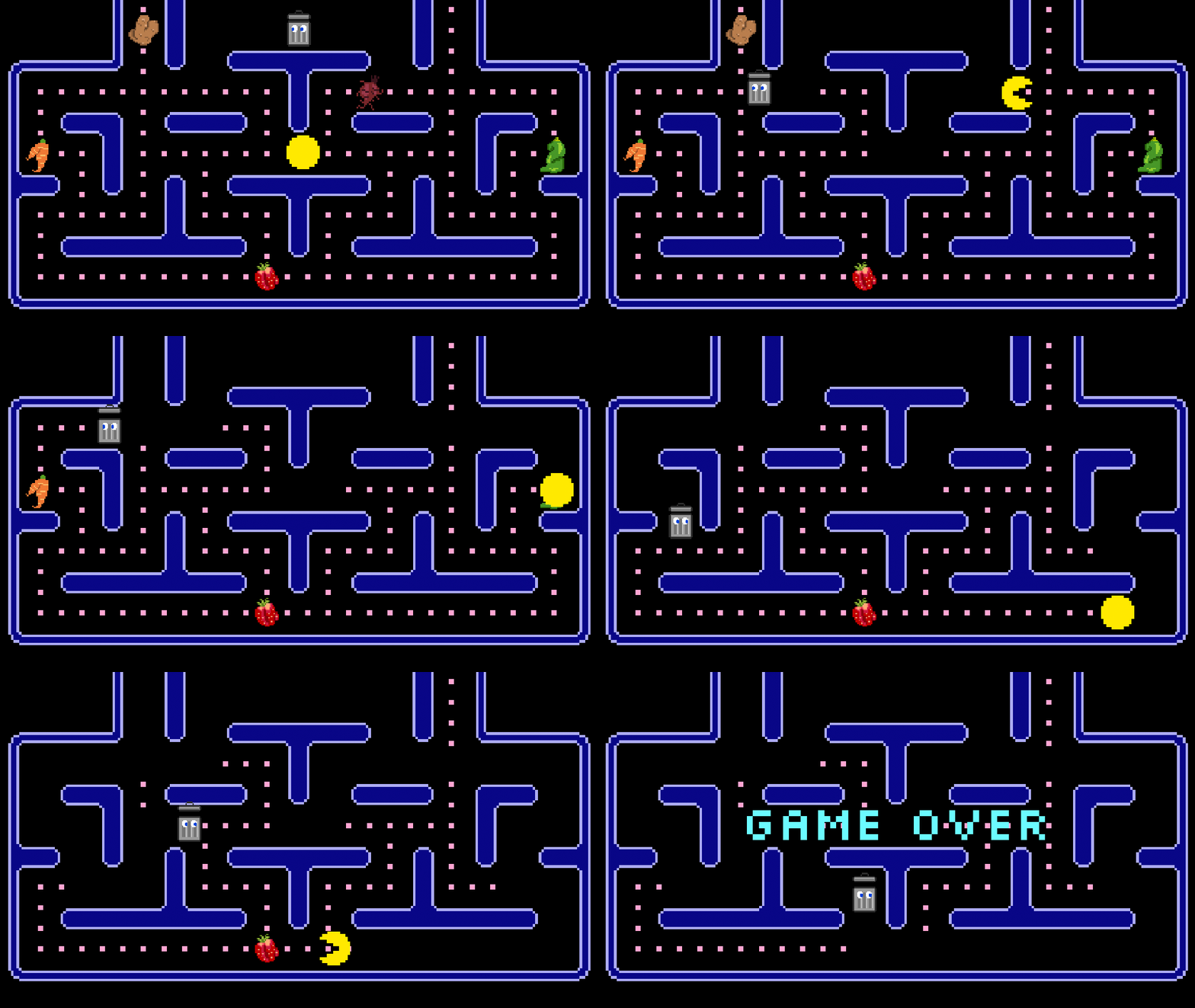
![animated gif of pacman and trash can eating ugly vegetables]()
![animated gif of pacman and trash can eating ugly vegetables]()
The ugly produce industry faces an ugly question. Now it’s trying to solve it.
How do you really know those veggies would have gone to waste?
-
![A farmer in Los Banos, California]()
![A farmer in Los Banos, California]()
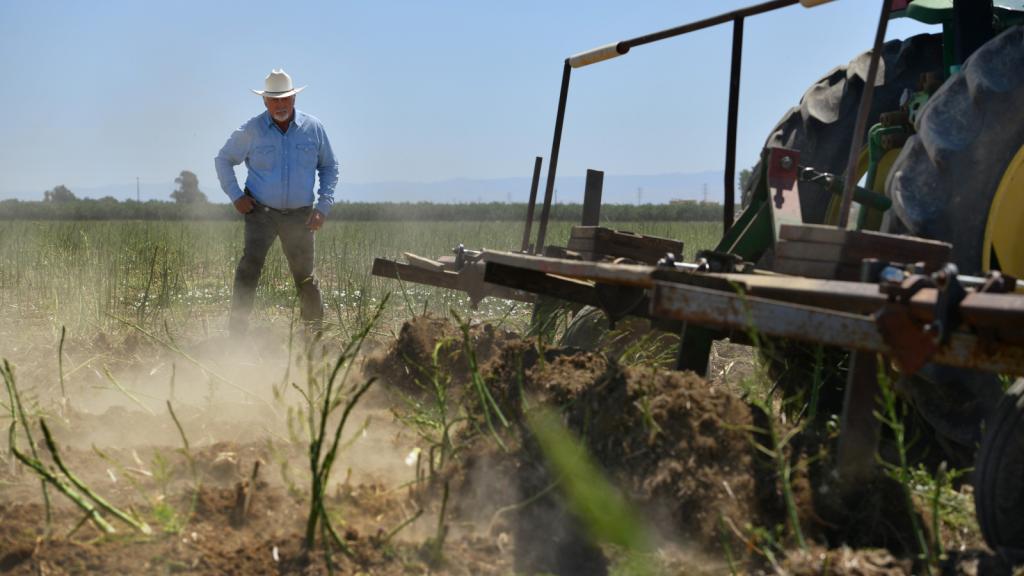
In an era of drought, an obscure water contract is pitting California farmers against each other
The so-called “exchange contract” has created a surreal split-screen effect: One group of farmers has ample water. Another has almost none.
-
![cutout of corn with green mold growing on it on dirty looking beige background]()
![cutout of corn with green mold growing on it on dirty looking beige background]()
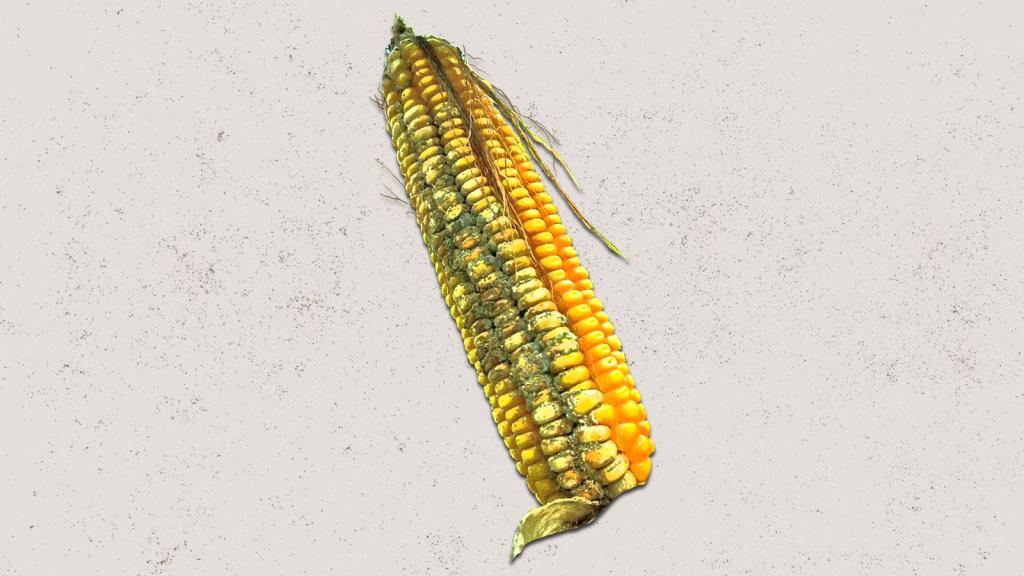
New study: Climate change will spread toxic mold to Midwest corn
Aflatoxin, a chemical produced by infectious mold, could be coming to the Corn Belt.
-
![]()
![]()
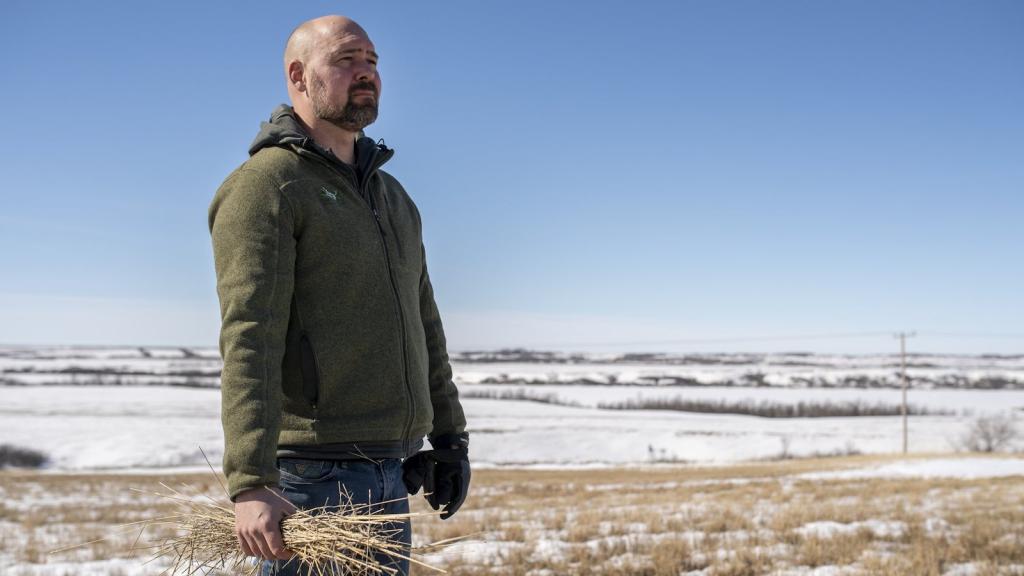
When wheat never dies
Could commercially viable and tasty perennial crops like Kernza be regenerative agriculture's holy grail?
-
![Medium shot of cattle in pen on farm on summer morning.]()
![Medium shot of cattle in pen on farm on summer morning.]()
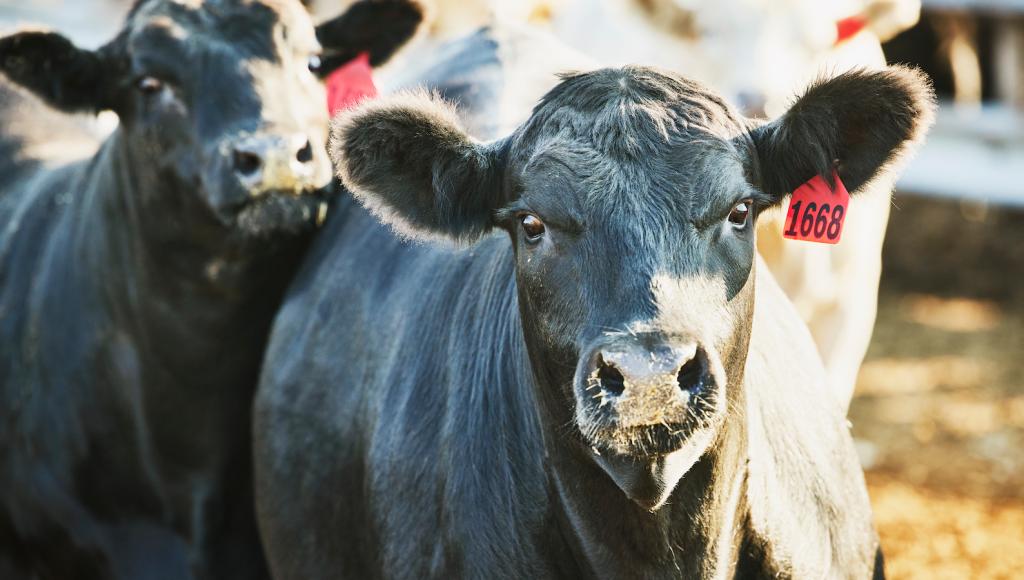
There are ‘forever chemicals’ in beef now
How toxic PFAS made their way from sewage to fertilizer to beef in Michigan.
-
![The McDonald's golden arches]()
![The McDonald's golden arches]()
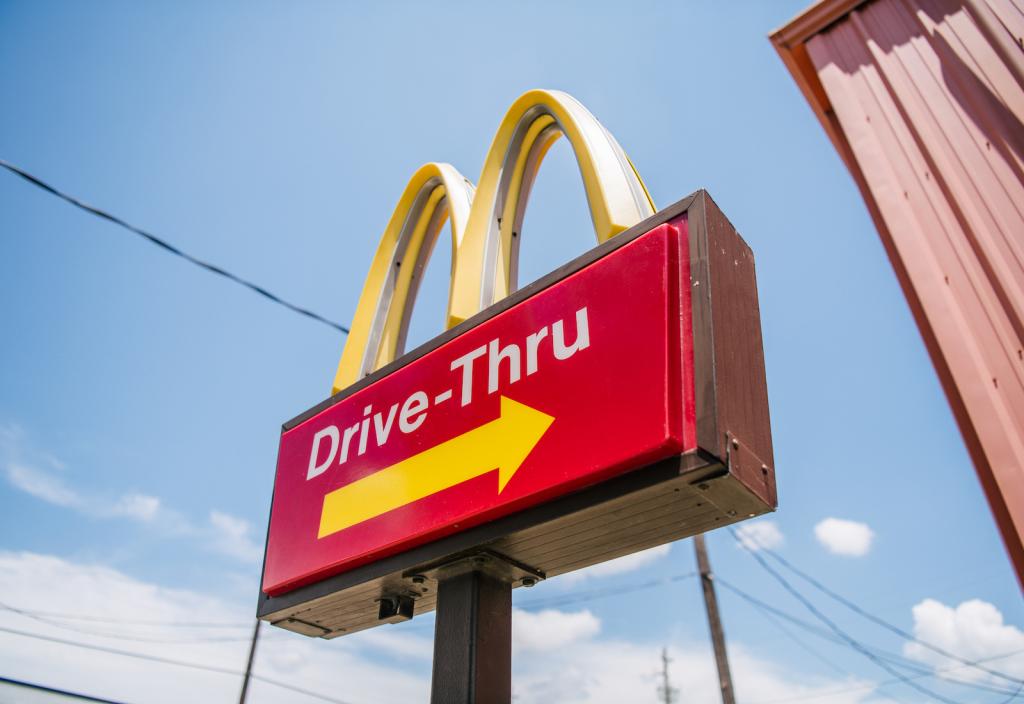
Beyond greenwashing: How chain restaurants could actually address their climate pollution
Step one is changing the menu.