I am sure I am singlehandedly filling up a landfill with all the plastic spray bottles I have purchased in the last 25 years. I make many of my own cleaners, some I have even read about in Ask Umbra. I make my own bug spray, weed killer, linen spray, etc. But I seem to buy at least three plastic bottles for each job, which break and are often not recyclable. I am on a quest to find a spray bottle that would last a long time. Please help me.
Penelope J. Mariposa, Calif.
Photo by El Finco.
A. Dearest Penelope,
I wish my name were Penelope. I also wish you were not singlehandedly destroying the planet with your penchant for flimsy plastic spray bottles.
I kid, of course. While your bottle habit is not ideal, your DIY habits are admirable. I bet we can find a way to make your vessels match your values.
This year marks the 10th anniversary of our Ask Umbra advice column, and to celebrate, we’re pulling one particularly poignant question or tidbit of eco-advice out of the archives each week. Today, a question from a bicyclist in Berkeley:
"My skirt gets caught in the bicycle chain ... Do you know any wonderful manufacturers out there who can solve my problem?"
Read on to see Umbra’s answer. Plus: She shares a website that’ll show you how to make your own “skirt guard.” And don’t you go anywhere, fellas: It works for kilts and coat tails, too.
When choosing an environmentally friendly hotel chain, the best indicator probably isn't whether the place asks you to hang up your towels if you don't want them replaced each day. According to a new analysis [PDF] by sustainability company Brighter Planet, budget and mid-range hotels tend to produce the least carbon per room.
Topping the list are Vagabond Inn, Red Lion Hotels, and Red Carpet Inns. Travelodge comes in fourth. It's not a hard and fast rule, but if you want to aim for carbon-friendliness, budget chains are likely the best option: The top performer in the high-end range, Four Points Hotels by Sheraton, came in 33rd overall.
Here’s a sampling of the love and good wishes that have poured in from all corners as the 10th anniversary of my column drew nigh. You all are sweet! But I must say I am still waiting for the chocolate.
Editor's note: This week Grist celebrates the 10th anniversary of our Ask Umbra advice column. Today, we look at the topics that have gotten the most traffic over time, to find out what really gets our readers hot and bothered. Are you a fellow fretter? Seek relief: Ask Umbra.
10.Diapers. Cloth or disposable? Almost as hot a topic as its life-choice opposite, overpopulation, this dilemma causes major angst. Turns out both options kind of … stink. So pick one and go with it, or give diaper-free parenting a shot. (Let us know how that goes.)
9.Power strips. We felt as proud as a parent watching a school play when we saw that home energy use was a consistent area of concern. The moral is: Use a power strip and unplug chargers and other vampire appliances. You’ll save energy, save money, and save us from gently reminding you for the zillionth time.
8.Recycling. Readers regularly wonder if X item is recyclable (condoms! coffee cups! car seats!). Umbra is only too happy to rummage for an answer, before dropping her inevitablest piece of advice: Check with your local authorities to be sure.
7.Personal hygiene. Can I make my own shampoo? Should I use a straight razor? Is my shower curtain killing me? Do these questions make me look fat?
5.Toilets. As demonstrated earlier this week, bodily functions are a never-ending source of fascination. In fact, while no such queries made the Top 10, we were pees’d to see that toilet seat covers and pee rags cracked the Top 20, with peeing in the shower not far behind.
4.Cooking. We were chewing over the idea of making a meal based on the most popular food questions you had asked. But then we realized: Green organic bananas plus pink slime plus BPA in canning lids = a recipe for distress.
3.Liquor. OK, we admit it, questions about adult beverages don’t figure anywhere near the Top 10. But in a sense they’ve been the life of the party: Plastic or paper for Jell-O shots? Does it hurt waterways to pour beer down the drain? Is it better to buy beer in cans or bottles? Are there organic liquors? What can I do with my vast collection of wine corks (and what kind of plastic is used for those newfangled bottle-stoppers)? You might be a bunch of lushes, but such a conscientious bunch of lushes there never was.
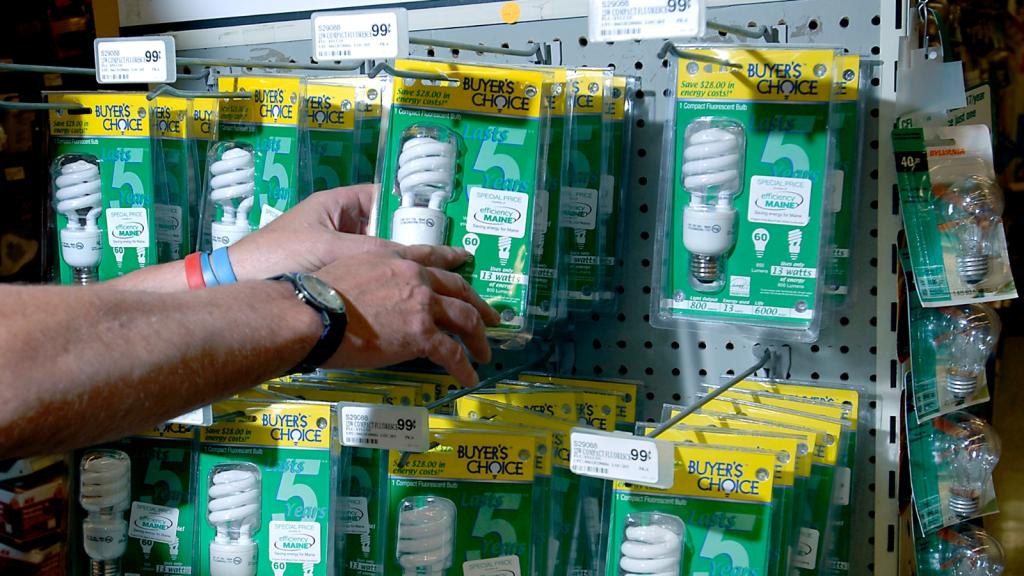
2.Light bulbs. How many Grist readers does it take to change a light bulb? Come up with the best punchline, and we’ll send you the efficient bulb of your choice. Limited time offer.
1.Plastic. A highly scientific review of the Top 40 Umbra Columns of All Time reveals that a full 20 percent have to do with plastic, mostly plastic bottles. The thousands of words spilled on that topic boil down to this: Don’t buy ’em! We’ll drink to that.
Editor's note: This week Grist is celebrating the 10th anniversary of our Ask Umbra advice column. Today, we look at a few of the perplexingest questions our readers have ever sent. Losing sleep over a green conundrum? Ask Umbra.
Editor's note: Grist is celebrating the 10th anniversary of our Ask Umbra advice column. Today, we look behind at some of our favorite potty-related reader queries. Got an urgent question of your own? Go ahead, Ask Umbra.
We have here a momentous occasion: The 10th anniversary of Ask Umbra! Instead of making myself useful by answering a question from one of you today I've compiled the 10 most notable moments in Ask Umbra history as I’ve feasted on organic carrot cake. Walk with me for a while -- and keep an eye out for further celebrations this week. (We’ll also be dusting off some of our favorite columns from the archives in the coming months -- if you have a classic you’d like to see get another moment in the sun, let us know.)
Traditional Chinese medicine shop in Hong Kong. Photo by Mailer Diablo.
It’s probably best not to make all your meals out of pink slime and enriched HFCS, but a word to the wise: “Natural” doesn’t always mean safe. A new DNA analysis reveals that traditional Chinese medicine often contains carcinogens and other poisons not listed on the label.
Call me a dreamer. I want to flush with rainwater. Rain barrels already anchor my downspouts. I want to hitch them to my toilet tank. It would save me money and leave my city’s drinking water for better uses.
Yet so far local plumbing rules aren’t helping me, or thousands of others, make the rain-barrel connection. It’s not so much that rules prohibit it, but that even local authorities do not really understand what the rules mean. A little clarification -- and publicity -- would go a long way.
Already, outside my house in Seattle’s Ballard neighborhood, I’ve managed to irrigate my Victory Garden all summer from nothing but the 500 gallons of rain I collect in 10 barrels. During the other three seasons, though, the garden doesn’t need extra moisture, so my barrels sit unused and, often, full to the brim.
So I’m flushing my toilet with pure, treated drinking water that’s piped scores of miles from the Cascades while I’ve got hundreds of gallons of free, naturally delivered, and naturally replenished rain stockpiled just outside my bathroom wall. Perhaps you now understand the intensity of my dream? A Rain Water Toilet Flush system (RWTF)!