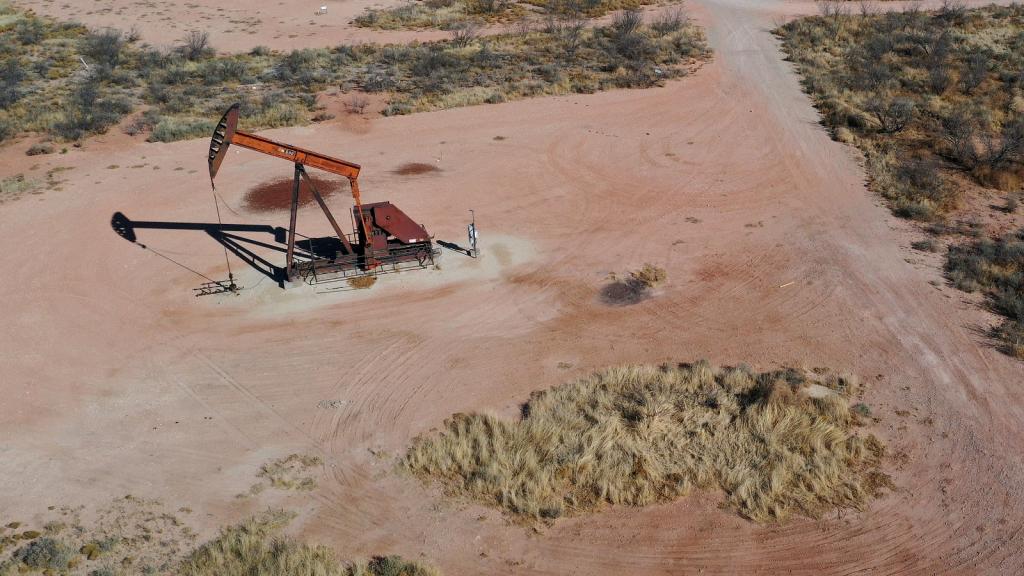
Texas is now in the midst of its worst-ever one-year drought. Austin, Texas' capital, has received less than two inches of rain since October, a period that would normally see 18 inches. Here are just a few of the impacts of the state's ongoing drought, which is entirely consonant with the northward march of the world's subtropical deserts that will continue, unabated, as climate change intensifies:
- Inspired by NASA’s innovations in urine-drinking, Big Spring, Texas is installing a wastewater recycling plant to transform sewage into drinking water.
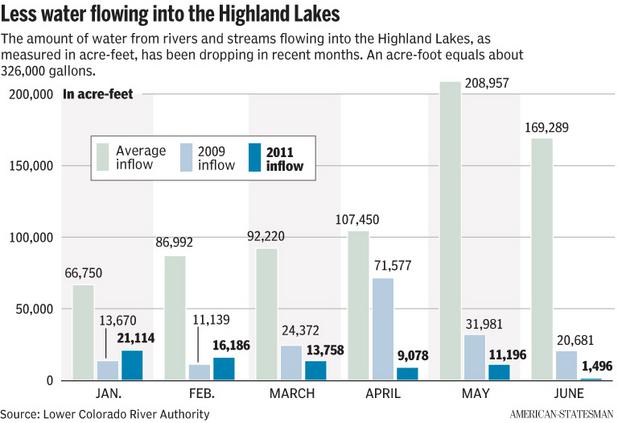
- Inflow in the Highland Lakes, which provide water to Austin and surrounding cities, is 1 percent of what it was a year ago. As a result, Austin's reservoir, Lake Travis, is now half empty.
- Many Texas rivers have simply stopped flowing.
- This drought is the costliest ever for farmers. Ranchers say it will take at least a decade to rebuild their devastated herds.
- Parched cattle moved to better pasture are dying from drinking too much water.
- The Austin area has had more than 40 days over 100 degrees this year; the average is 12.
- A lake in Texas turned blood red as it dried out, which some saw as a sign of the apocalypse. (Turns out it's just algae.)
- All 254 counties in Texas have been declared natural disasters.
Unfortunately, it goes without saying that the arch-conservative governor of Texas and potential presidential contender Rick Perry doesn't believe in climate change. His sole attempt to address the cause of the drought? Prayer.