Yesterday, the Department of Agriculture announced $4.5 million in grants to connect local agricultural producers with more than 3,200 school cafeterias across the country, many of them in rural areas. The “Farm to School” program was originally established by the 2010 Healthy, Hunger-Free Kids Act.
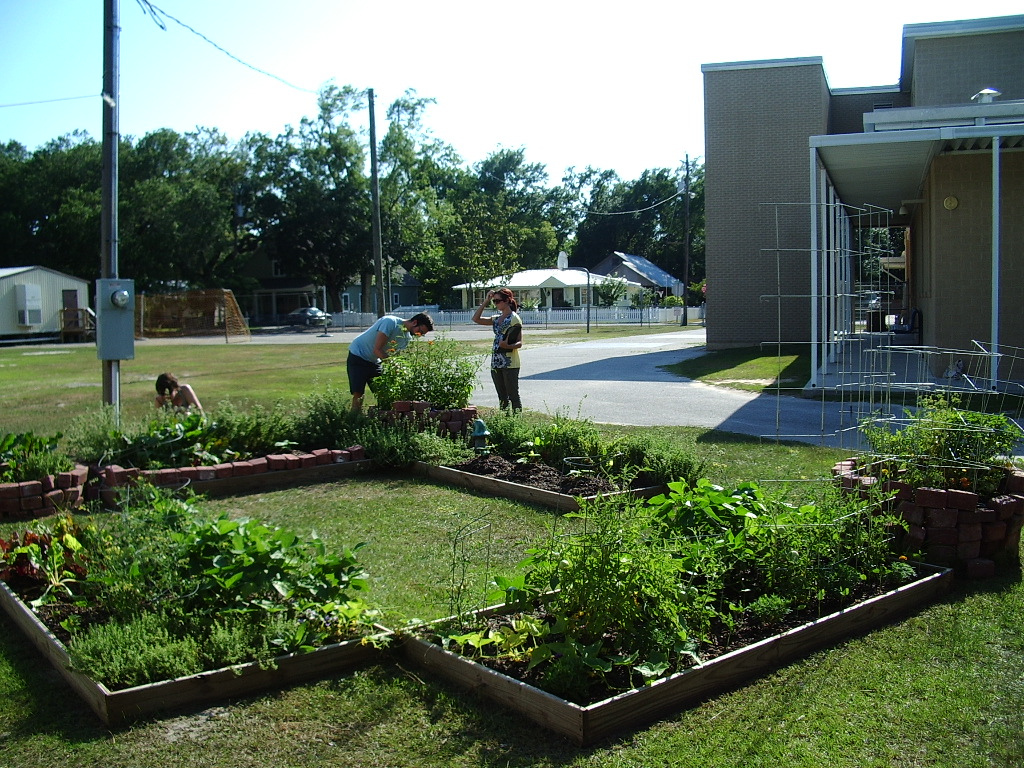
Plan For OpportunityA school garden takes root in Mississippi.
“When schools buy food from nearby producers, their purchasing power helps create local jobs and economic benefits, particularly in rural agricultural communities,” Deputy Secretary of Agriculture Kathleen Merrigan said in a statement. “Evidence also suggests that when kids understand more about where food comes from and how it is produced, they are more likely to make healthy eating choices.”
The grants are all for $100,000 or less [PDF], but they stand to fertilize some serious innovation, not to mention some tasty meals. Grant money will be used to support a broad range of school food efforts, from gardens and field trips to cooking classes for kids and education for farmers new to the specific demands of school food. One Milwaukee program will even create a new curriculum around urban farming.
Here’s to school gardens that grow more than half-dead sunflowers!
A message from
Your support keeps our climate news free. All donations DOUBLED!
Grist is the only award-winning newsroom focused on exploring equitable solutions to climate change. It’s vital reporting made entirely possible by loyal readers like you.
At Grist, we don’t believe in paywalls. Instead, we rely on our readers to pitch in what they can so that we can continue bringing you our solution-based climate news. Donate today to keep our site free. All donations DOUBLED for a limited time.