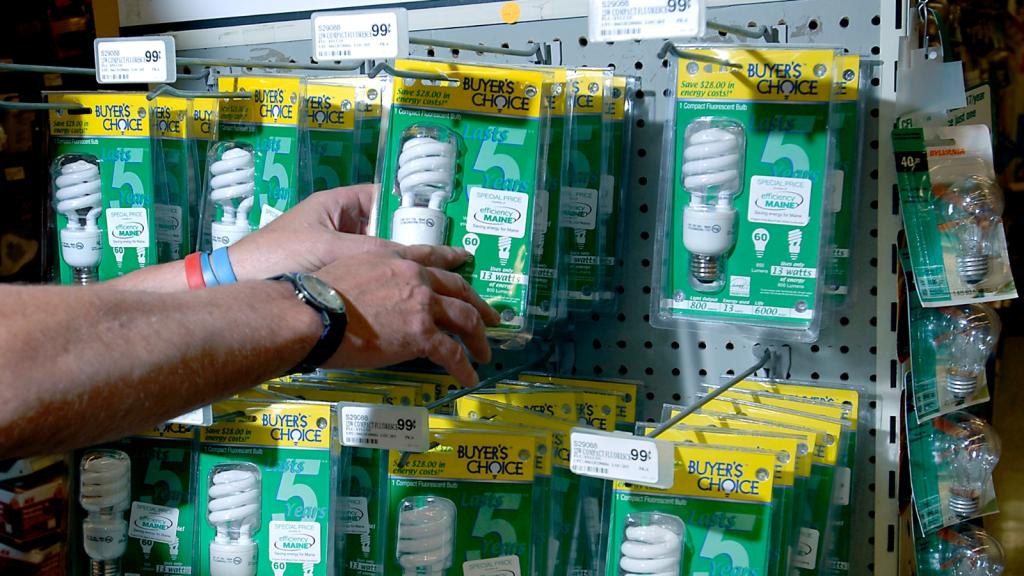
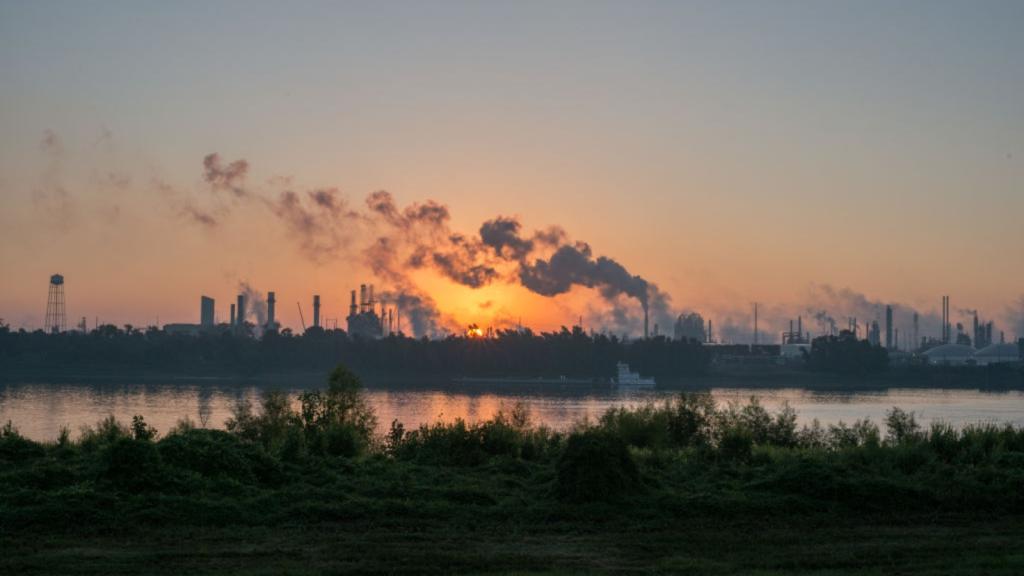
This image has been floating around the internets (I can't determine its original source) in a way that suggests it resonates with a lot of us.
Pollution
NASA is developing green rocket fuel
Commercial satellites, private space flight, and just about everything else that travels outside the atmosphere uses hydrazine as a propellant. It's super toxic and dangerously unstable, so NASA is going to spend up to $50 million apiece to test alternatives.
Animated guide to building a Keystone XL
Who knew the Keystone XL pipeline was this simple? Turns out it's just a long concrete tube buried three to four feet under ground, rambling on for mile after mile, narrated by a guy with an adenoid problem. All this fuss over whether or not it will be built, and it's barely more complicated than a sewage outflow.
Ask Umbra: Where do chemical-sucking plants go to die?
Send your question to Umbra!
Q. Dear Umbra,
So cacti can remove selenium from soil. I’ve read in the past about different plants being able to “sop up” various nasty chemicals. My question is this: Then what? Are they to be harvested and dumped somewhere, so contaminating another piece of land, or are they allowed to live out their lives, die, keel over, and re-contaminate the same piece of land?
David B.
Greenfield, N.H.
Photo by Tommy Wong.A. Dearest David,
Is there anything our plant friends can’t do? They look nice, they often smell nice, and they agreeably exchange their oxygen for our carbon dioxide. They sequester carbon, they feed us, they shade our homes, they shelter critters, they make indoor air cleaner, they improve worker productivity, they can be ground up to make medicines and teas. I could go on and on. Or maybe I couldn’t, because I’m getting all choked up just thinking about the sacrifices plants make for us, the dunderheaded humans who lurch among them.
Why we should all be drinking toilet water
If you live downstream from another city, you're probably already drinking treated wastewater, reports National Geographic. And engineers want you to drink even more of it -- not because they're sadistic, but because it's perfectly safe, and water is increasingly scarce.
Cacti can clean up poisonous soils
Here are a few things you do with a prickly pear cactus: Get poked. Turn its fruit into jam. Use it to clean up dangerous concentrations of selenium in arid California lands.
In California's San Joaquin Valley, a long history of artificial irrigation has impregnated the soil with selenium. In small quantities, selenium is beneficial to humans and animals -- essential, even. In larger quantities, it’s toxic.
Prickly pear cacti, though, can thrive in these soils, even though irrigation has also made the soil and water dangerously salty.
Red color in Texas river turns out to be pig blood
Apologies for starting off y'all's Monday mornings on the grossest note possible, but this story was too appalling not to share. In Texas, near Dallas, an amateur drone pilot snapped a pic of a suspiciously red creek. (Weird, we know! But just get past that bit.) The drone pilot decided it was suspicious enough to let the powers-that-be know about it.
The authorities checked the creek out and traced the red color to a meatpacking plant. The red color was raw pig blood. And pig guts, apparently. A pipe was leaking the stuff into the creek.
Hidden risk: Mercury pollution’s costs to wildlife and people
Wood thrush. (Photo by Jeff Whitlock.)Cross-posted from Cool Green Science.
Mercury pollution -- nothing to worry about if I don’t live in the rural Northeast and don’t eat tons of fish, right?
Guess again, says a new report done by the Biodiversity Research Institute (BRI) in conjunction with The Nature Conservancy. The report, "Hidden Risk," details the widespread and deep impacts of mercury pollution in terrestrial nature -- particularly on animals such as songbirds and bats. Researchers are discovering how mercury is causing big declines in reproductive success among these species, as well as physiological oddities -- like developmental asymmetries and an inability of some birds to hit high notes.
Renegade apps show how iPhones are awful for people, planet
Here are a bunch of (simulated) apps that, judging by Apple's recent treatment of similarly socially conscious fare, will never, ever make it onto an actual iPhone.
Obama makes strong call for clean energy — oh, and drilling and fracking too
(Photo by Alex Howard.)Clean energy rocks. Nice, deserving people get jobs at wind-turbine plants. Solyndra-style investments are critical. Oil-industry subsidies suck. Energy efficiency is an economic engine. We need to drill, baby, drill. And we need to frack, baby, frack.
Those weren't the words, but those were the sentiments in the energy portion of President Obama's State of the Union address on Tuesday night. He dedicated a significant chunk of the speech to energy issues, making an unexpectedly vigorous appeal for renewable power, cleantech investment, and efficiency -- as well as for natural-gas fracking and oil drilling.