

Grist 50 2025
Climate progress is still happening: Meet the 2025 Grist 50
Our climate is changing. The impacts of that change are growing deadlier every year. And efforts to reduce emissions, increase resilience, and keep people safe in the U.S. have faced increasing headwinds from a federal government committed to dismantling climate action and funding.
But make no mistake: Climate solutions are still moving forward. In every corner of the country, people are working as tirelessly as ever to address this crisis in creative, holistic, and equitable ways. And as national and international policies largely fail to meet the moment — or, in some cases, actively fly in the face of progress — the work of those standing up for communities and within industries to mitigate and adapt to the changing climate is more important than ever.
The 2025 Grist 50 list highlights the work of 50 such people who are making a real difference and moving the needle. The impact they’re having in their communities and sectors shows that progress is still possible.
Since 2016, the Grist 50 has put a spotlight on bold, surprising climate solutions and the personal journeys behind them. And this year marks the 10th Grist 50 list. That’s 500 stories of innovation, initiative, and action.
This year’s list features artists who are inspiring climate action through music and watercolors; entrepreneurs who are breaking down barriers for EV adoption and green jobs; and land stewards who are fostering resilience on farms, in forests, and even in cemeteries. The people on this year’s list hail from small towns and big cities, from the Caribbean to the Midwest. They’re working in academia, in local governments, in startups, in nonprofits. Together, these 50 stories are a snapshot of the progress that is still unfolding all over the country — and a testament to the strength, diversity, and creativity of the many people pushing it forward.
Read the stories of climate leaders to watch in: Arts + Media, Business + Tech, Food + Land, Policy + Advocacy, and Science + Energy.

Nivi Achanta

When Nivi Achanta graduated from college in 2017, she was looking for a way to get politically involved. Her only trouble was finding an area of focus to dig into. There were so many horrible things happening, she felt, that it was difficult to narrow her scope. “I thought, OK — climate. The climate crisis is number one. It’s a common thread that affects all the other things that I care about,” Achanta said. “It’s going to be so simple. There’s a million different answers for education and housing and health care, but climate change is something we all agree on.”
This, she quickly realized, was not true. But, undaunted by the deniers and delayers, she set out to build an organization to connect people by focusing on fun, low-lift ways to engage on climate issues in their everyday lives. Achanta launched The Soapbox Project in 2019, first as a weekly newsletter that later grew into a virtual community aimed at fighting climate loneliness — and loneliness in general. It’s since grown to 8,000 subscribers and over 300 paying members, and has expanded to physical spaces in Seattle and New York City. By fostering a friendly, social space to learn about local issues, Soapbox aims to create a more durable climate movement based on strong community ties and focused on the areas where people have the greatest ability to effect immediate change — locally.
Some of the events Achanta has organized include a Q&A on stormwater management in Seattle, with a local stormwater engineer; a water-resilience party, where attendees dined and discussed resource management; and a climate-conscious fashion show — all mixing education and action with fun and good vibes. “We want to be basically the equivalent of a climate church,” said Achanta.
Jessie Bluedorn

What would you do if you learned your family was wealthier than you had ever imagined?
That’s the question Jessie Bluedorn found herself grappling with when she graduated from college in 2016. Her answer was to redistribute the money — into the climate movement. Having seen the impacts of the fracking boom on her extended family in western Pennsylvania, Bluedorn had long been concerned about climate change and environmental justice.
In 2023, Bluedorn, with the blessing of her parents and sister, poured $10 million of her family’s wealth into a new grant-making organization, the Carmack Collective, with the mission of building the climate movement and fostering “culture change.” That latter category has been particularly important to Bluedorn, who, on top of her philanthropy, is the executive producer of a production studio focused on climate-related comedy. One of her primary focuses has been to support organizations using humor to get people to care about the climate crisis.
“Comedy lowers people’s guard and opens people up to messages that might otherwise feel preachy,” Bluedorn said. Some of the Carmack Collective’s grantees are media organizations like Yellow Dot Studios, which makes short videos mocking the fossil fuel industry. Other grants have gone to organizations more broadly concerned with climate-related arts and culture, such as Clean Creatives, which tries to get PR agencies to drop their Big Oil clients.
By the end of 2025, the Carmack Collective will have distributed more than $3 million to dozens of recipients, with an emphasis on “trust-based philanthropy” — and plans are in the works to add more money to the fund’s original $10 million. Her goal is to give advocates the financial resources they need to ultimately “dismantle the fossil fuel industry.”
It’s “simply a small goal,” Bluedorn joked.
Michael Hawthorne Jr.

Michael Hawthorne Jr. thinks something big is missing from the climate movement. From his experiences organizing for then-president Barack Obama, former vice president Al Gore, and with environmental groups like Greenpeace and Sierra Club, he realized that to accelerate the clean energy transition, lifestyle changes — like switching to EVs and rooftop solar — can’t stay siloed in the realms of policy or tech. They need to be appealing and culturally relevant to drive demand for policies in the first place. In short, Hawthorne said, we need to make the clean energy transition cool.
In 2021, Hawthorne was invited by a friend to join a studio session in Atlanta to help manage a rap artist. There, he met music producer Corey “Mr. Hanky” Dennard. The two started talking, and something clicked: Music and entertainment could be a way to introduce this clean energy lifestyle. At the end of the year, Hawthorne and Dennard founded Klean Energy Kulture, a nonprofit dedicated to building cultural appeal around electrifying our lives.
The group hosts community events, like “EV Ride Thursday” parties at an Atlanta Rivian dealer, and has produced a music video with local rap artists Asianae and Big Homie Ty.Ni that featured an electric Porsche. Their new Electrify the City campaign aims to put EV charging stations and rooftop solar in cornerstone community venues like clubs and soul food restaurants. This past summer, they began renovations at their first site, a local Black-owned beauty salon, which will eventually install rooftop solar and EV charging stations.
Already, the organization has been in touch with more than 80 other venues that want their places electrified. “I truly do believe, once we get to a point in our society where people actually want it, everything else will fall in place,” Hawthorne said.
Maria Intscher-Owrang
As a luxury fashion designer for brands like Vera Wang and Calvin Klein, Maria Intscher-Owrang had seen firsthand the environmental and social harms of the industry. Producing clothes is resource- and labor-intensive: Fibers need to be sourced, spun, and woven, then cut and sewn — usually overseas, where regulation is often lax and labor abuses run rampant. To further trim costs, companies have shifted from using natural fibers like cotton to synthetic materials like polyester, creating mountains of plastic waste.
Intscher-Owrang decided that for fashion to become truly sustainable, the industry needed a whole new system of manufacturing. In 2021, she and her co-founder, Phil Cohen, started Simplifyber to try and create that alternative. The company produces a cellulose-based liquid slurry that can be poured into a 3D mold to produce shoes and other soft goods. Instead of plastic, the company uses wood pulp, recycled cardboard and clothing, and other natural fibers. The process removes 60 percent of the steps in traditional industrial manufacturing and uses around 50 percent less labor, and many of the products can then be recycled.
3D molding technology is what allowed the plastics industry to scale up and lower costs of production — Simplifyber aims to do the same with natural fibers to eventually reach cost parity with plastics.
At Paris Fashion Week last fall, the team paired up with Danish designer Ganni to debut a “Moon Shoe” made with Simplifyber’s patented technology, expected to hit stores in early 2026. The company has also partnered with Kia to create dashboard and door panels for a new EV prototype. With $12 million in startup funding recently secured, Intscher-Owrang envisions bringing the technology beyond fashion to industries like consumer products, aviation, and aerospace.
“My goal is just to replace as many plastic products as possible with natural fiber products,” she said.
Nicole Kelner
Nicole Kelner grew up loving art — but she was “too practical” to consider art school. A few years ago, while she was working at a climate tech startup, she said, “I was pretty stressed after work, so I decided to paint a watercolor a day for 100 days.” Ten days in, she made a painting about kelp and carbon sequestration, and it took off on Twitter. For the following 90 days, she painted exclusively climate-related subjects. And soon enough, it became her full-time job.
As an independent artist, Kelner has created custom infographics and illustrations and facilitated art workshops for clients from Harvard University to the U.S. Department of Energy. “I use a lot of bright colors and a playful, childlike style to draw people into my art,” Kelner said. Once viewers are intrigued, she teaches them about complex climate issues. “I think about that combination as sort of a Trojan Horse for communicating these sometimes scary ideas, but in this approachable way that helps people relate to it.”
Kelner has amassed 50,000 followers across social media platforms in the past two-and-a-half years. She estimates that 3 million people have seen her work. And she’s not stopping there: She’s currently working on a children’s book about thermal energy networks, and another about noise and climate change, called The Quietest Places In New York City.
One thing she’s especially proud of is showing other people how to do what she does. For the past year, she’s been teaching a “Climate Art 101” course. About 100 students have taken her class, producing hundreds of new pieces of climate art.
“We’re helping people envision the world we want to be living in, through art,” she said. “I feel like a proud teacher.”
Andy Myers

Bowling for Columbine, a documentary exploring the root causes of gun violence in the U.S., changed Andy Myers’ life when he was in high school. It wasn’t necessarily the topic that captivated him — it was the medium.
“I started to learn more about documentaries as an organizing tool,” he said, recognizing their power to educate audiences and motivate change. Film-based storytelling was “magic,” and he wanted to be a part of it.
Myers is now the director of campaigns and strategy at Working Films, a nonprofit that uses the immersive power of documentaries “to increase civic engagement and shift culture.” The organization doesn’t actually make movies. Rather, it helps environmental and social justice organizers identify films that will activate their audiences, trains them on how to host community screenings, and donates projectors and other equipment to organizers who need it.
It sounds simple, but Myers sees documentary screenings as an overlooked tool for movement-building. He trains advocacy groups on how to pair them with roundtable discussions, teach-ins, letter-writing sessions, and other in-person exercises. Over the past five years, his organization’s Rural Cinema program has enabled more than 90 screenings by 28 organizations in 20 states and Indigenous territories.
Last year, for example, Myers worked with a community group in Iowa that was organizing older white residents against a proposed carbon dioxide pipeline in their county. The local organization had successfully rallied conservative residents around property rights and eminent domain concerns. But Working Films helped expand this base’s viewpoint through screenings of the short film LN3: 7 Teachings of the Anishinaabe Resistance, about Indigenous opposition to fossil fuel infrastructure.
“These efforts helped this more conservative audience understand how pipelines lead to air pollution, land pollution, and environmental racism,” Myers said.
Zoelie Rivera-Ocasio

A decade ago, Zoelie Rivera-Ocasio took an agriculture class that changed her life. “It was amazing, recognizing all the diversity of soils that we have and how important they are for having food that is really nutritious,” she said.
That discovery eventually led her from her home in Puerto Rico to Penn State, where she’s finishing a PhD in biogeochemistry. Her research explores how farmers can manage carbon and nitrogen sustainably — using cover crops and organic fertilizers like manure instead of synthetic ones — to store more carbon in the soil and slow climate change.
But Rivera-Ocasio knows the science can sound dry. She’s also made it her mission to change how people feel about soil. In 2020, she co-founded Arte-Suelo-Ser (Spanish for “art-soil-being”), a nonprofit connecting soil conservation with Caribbean culture through talks, workshops, and an annual event on World Soil Day every December 5.
“The idea is to build this network where all over the Caribbean we can see the relevance of soils, we can take a regenerative approach to growing our food, and also help our communities be healthy,” Rivera-Ocasio said.
In 2024, the organization officially launched the Soils Museum of the Caribbean, a digital museum that aims to show the value of soils in Caribbean culture and start dialogues between artists, scientists, farmers, and community members. On the museum’s website, viewers can find watercolor paintings, photographs, a virtual tour of some of the 213 soil types in Puerto Rico, and educational materials like lesson plans. Arte-Suelo-Ser also inspired a documentary now in development, spotlighting Caribbean artists who harvest wild clay for their work.
“For us, soil is not just a natural resource,” she said. “It’s a living archive of memory, identity, and healing.”
Daniel Swain

“I was a thunderstorm-starved kid,” said Daniel Swain. Growing up in Northern California presented some challenges for the self-described weather nerd — the area rarely saw the kind of meteorological drama Swain craved. Whenever thunder and lightning did happen to cross his path, “it was always special,” he said.
Today, Swain fills his professional life with storms. As one of the country’s most prolific scientist-communicaters, he’s become known as the go-to source for speedy, informative insights on extreme weather events. He runs the Weather West blog and holds weekly office hours on his YouTube channel, during which he contextualizes extreme weather and climate science for a general audience.
Swain is a research scientist studying how climate change is affecting extreme weather events, but he’s never pursued tenure, concerned about the demands it would impose on his time. Instead, he’s placed a focus on being an effective and accessible communicator. He describes his workflow as a “Swiss cheese schedule,” which means he keeps his calendar flexible to shift with the weather. When a storm hits, Swain makes sure he’s able to spend his time helping people understand the science of what happened.
After devastating flash floods decimated Texas Hill Country this July, Swain’s YouTube office hours attracted over 11,000 viewers as he explained the high risk of flooding in the area and why warming in the Gulf of Mexico made those floods worse. As jobs at the National Weather Service are slashed and the federal government rejects climate science, independent science communicators like Swain have a big gap to try their best to fill. He said he strives to make himself as available as possible as a resource for both journalists and communities as they struggle to make sense of increasingly extreme weather events.
Vienna Teng

When Vienna Teng started her career as an indie musician signed to a record label, she felt a pull toward environmental themes — her 2009 folk-pop song “Watershed” is sung from the perspective of a changing Earth, and her 2013 “Landsailor” is a love song about our complicated relationship with technology.
After several years of songwriting, recording, and performing, Teng wanted to work on climate solutions more directly. She launched a career in sustainability, helping to accelerate climate action and improve recycling systems around the world. At times it felt like a dream job, but her heart was set on combining her two passions. So, in 2022, she returned to music full-time — with a new focus on inspiring climate action.
While musicians have a rich history of raising awareness for social causes, Teng takes it a step further. She sees an “untapped opportunity” in the bond between artists and their fans. “These emotional connections can open up conversations and willingness to step forward into something,” she said. She now holds workshops after shows and monthly virtual climate action hangouts on Patreon. “I’ve sort of joked, ‘I would like to be your climate action concierge.’”
She’s found her fans are craving concrete advice about how to contribute, and she offers them personalized guidance on high-impact actions. When a retired engineer in Ohio asked how to electrify her house, Teng encouraged her to think bigger. Since then, the retiree stopped a solar ban in her town and is now leading an effort to bring solar panels to farms and apartment rooftops. Other fans have improved sustainability at their workplaces, started climate conversations with conservative relatives, and launched a climate book club for Asian Americans and Pacific Islanders.
Teng’s next project? A stage show highlighting what her fans have accomplished so far.

Albert Carter

If you’re a computer programmer, Albert Carter explained, you need a side project to make sure your skills stay sharp. He wanted to volunteer his coding expertise for the greater good — but struggled to find a mission-driven organization that could make full use of it. “They’d ask me to fix the printer, and then they’d ask me to hack the Pentagon,” he said.
Frustrated, Carter founded his own group in 2020: Bank.Green, a network of volunteers using AI tools to sort through banks’ investments and other activities and then rate them based on their climate friendliness. This kind of research, Carter explained, allows environmentally-minded customers to get some real leverage over their financial institutions.
A big part of the reason Carter got into tech was a desire to work on practical solutions to climate and social problems he’d witnessed firsthand. He grew up in Mobile, Alabama, and left for college just as Hurricane Katrina careened into New Orleans. He did some volunteer work in Louisiana after the storm — and later watched his mother, who is Vietnamese, work to help the Vietnamese shrimping community in Alabama recover after the Deepwater Horizon spill.
Much of what Bank.Green does is sift through institutions’ climate pledges and exclusion policies (which outline criteria for industries and activities that banks will not finance), looking for the gap between their intentions and their actions. “Some policies are very real and very meaningful; other policies are just 100 pages of greenwash,” said Carter. “There are lots of pictures of windmills and cars and things like that … but when you actually get down to brass tacks, nothing happens.” By informing consumers about which banks are funding the climate crisis, Carter hopes to encourage people to switch — and make sure the institutions know why. So far, Bank.Green has helped move over $50 million to climate-friendly banks.
Marshall Cox

Around 2010, Marshall Cox’s twin brother came to crash on the floor of his New York City apartment. It wasn’t long before he started complaining about a problem that has plagued New Yorkers for decades: Sometimes it was freezing inside, and other times the radiator blasted so hot he had to open the window.
At the time, Cox was getting his doctorate in engineering at Columbia University and grew sick of his brother’s grumbling. He had a theory that if he could trap the heat around the radiator and release it in a more steady, controlled fashion, it might solve the issue — and save energy.
“I built the first system out of foil-faced bubble wrap and duct tape and a computer fan, just to shut him up,” said Cox. “It worked super well.”
Realizing that his invention had the potential to make heating more efficient in other buildings like his, Cox got money from Columbia for a pilot installation of his radiator covers. He later took his findings to the 2012 MIT Clean Energy Prize and won $220,000 — seed money he used to perfect and scale the design of what is now dubbed the Cozy, a smart radiator cover that can cut a building’s energy use by roughly a third. His company, Kelvin, has installed 25,000 covers to date, in 10,000 homes.
But the next frontier, Cox said, is transitioning away from fossil-fuel-powered radiators as much as possible. The team recently paired the Cozy with a window heat pump, which runs on electricity and should shift around 60 percent of heating needs off of the building boiler.
“Our goal is to get everywhere electrified,” said Cox. “We view ourselves as a catalyst for that transition.”
Riley Duren

For more than 25 years, Riley Duren served as an engineer on a variety of projects at NASA, including working with astronauts and studying climate change. Along the way, he realized that the world had a problem: While countries were pledging to cut greenhouse gas emissions, they weren’t actually very good at monitoring them.
That was around 2015, when nearly 200 parties signed on to the Paris climate agreement. It was also a time when satellite technology had advanced to a point where it could accurately measure planet-warming gases from space, especially carbon dioxide and methane.
This, Duren thought, provided a clear path for holding emitters to account. But his time at NASA also taught him that it was “not going to get done in any reasonable time frame by governments.” So, in 2019, Duren left NASA, founded a nonprofit called Carbon Mapper, and began to raise money for his own satellites.
Last year, Carbon Mapper and its partners launched the first such satellite, primarily focused on tracking leaks of the potent greenhouse gas methane. They aim to eventually send up at least nine more (three are being prepared for launch next year). The organization is already winning contracts from clients such as the state of California to help monitor emissions, and, Duren explained, the data has been especially useful for identifying the most egregious polluters — aka super emitters. Duren and his team also make this data publicly available.
“It’s global monitoring that enables decision-making at very local scales,” said Duren. “If you can pinpoint these high-emission events, you can notify the people who are responsible. You can help drive action.”
This profile has been update to correct information about Carbon Mapper’s future plans.
Charming Evelyn

For two decades, Charming Evelyn has been a force in Southern California’s water conservation movement. Originally from the Caribbean, she grew up surrounded by pristine waters and a culture that valued reuse. In 2007, she began volunteering at the front desk of a Sierra Club office in Los Angeles — an unassuming role that led to a seat on the organization’s then-nascent water committee. The appointment would prove pivotal.
Evelyn led the committee in pushing Los Angeles City Hall to replace its lawns with drought-tolerant landscaping. The success of that initiative informed larger policies — like a state law, passed last year, that established mandatory water conservation measures throughout California (like low-flow toilets and replacing thirsty turf with resilient native plants), now enforced by local water agencies.
The committee didn’t stop there: It launched a water scorecard that ranked water departments across the region on their conservation efforts, putting public pressure on utilities to do better — which proved to be a powerful motivator.
“The effects that that had changed water conservation here forever,” said Evelyn. “There were agencies calling me saying, ‘We are much better now. When are you doing another scorecard?’”
Today, Evelyn also serves as director of outreach at OceanWell, a startup that uses pressure from the ocean itself to reduce the energy required for desalination — a process that could help provide clean fresh water to the parched region. The company is piloting its technology in a reservoir operated by the Las Virgenes Municipal Water District and has received approval from the California Coastal Commission to test its equipment in the ocean next. Evelyn has been instrumental in ensuring that environmental groups, tribes, and other communities have had a seat at the table during the company’s development phase.
“We do not want to do it in a silo,” she said. “We would like to do it with everyone on board.”
Tonya Hicks
Tonya Hicks has many firsts on her resume: The first certified Black female journeyman electrician who joined the International Brotherhood of Electrical Workers in Mississippi; the first American to receive the Greentech Startup Award at the Woman in Tech Global Awards in Paris last year; and, she says, she was the first to tell Senator Chuck Schumer, during a meeting on related legislation, about a blind spot in electric vehicle policy: women.
Research suggests women are less likely to drive EVs than men. A major reason for this, Hicks said, is concerns about personal safety at chargers — which can be difficult to find and often take a long time. In a 2023 survey by Geotab, a vehicle data tech company, 43 percent of women reported safety concerns at charging stations.
In 2021, Hicks launched sheEV, an initiative dedicated to breaking these barriers by developing fast charging technology, emergency roadside kits, and educational materials. She also created an app (currently in review) with women drivers in mind, dedicated to finding EV charging locations reported safe to use at night. “The whole premise of sheEV is safe charging and confident travel,” she said. She also recently launched the sheEV Car Club, a community for women to connect and share knowledge and experiences.
This is the evolution of Hicks’ longtime focus on bringing more women into male-dominated spaces, something she has also done as president and CEO of Power Solutions, an electrical contracting company that currently houses sheEV. “Just like my company, ‘power solutions’ is what I do,” she said. She’s powering a more accessible, inclusive approach to our clean technology future.
Daniel Hill
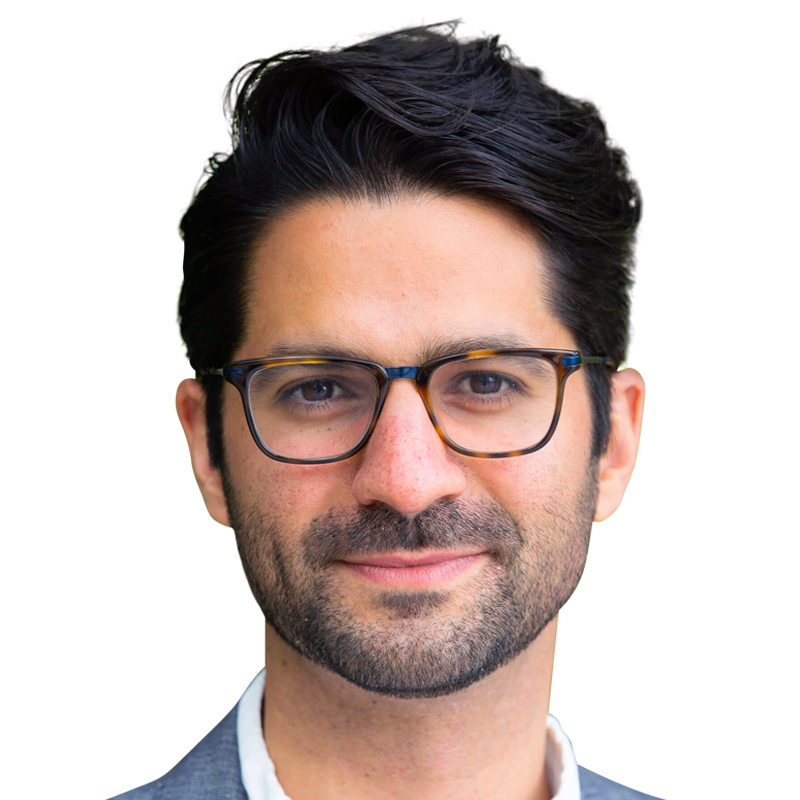
Daniel Hill has never been a nature lover. “I love me some indoors,” he joked. But still, as a teenager trying to figure out what to do with his life, Hill knew he wanted to focus his career on addressing global warming — what he saw as the most intractable problem on the horizon.
Hill studied alternative fuels in college, but struggled to find a job when he graduated during the 2009 recession. After a casual conversation with an acquaintance working in the energy efficiency sector, he decided to start his career there. He soon realized that those kinds of conversations could be integral to getting more people involved in climate work — and he has paid it forward, saying yes to as many coffee chats as he can reasonably manage.
Hill’s day job now is at the Environmental Defense Fund, as the director of business and innovation on the corporate engagement team. On the side, he runs #OpenDoorClimate, a network of over 3,000 professionals who have flagged themselves as open for 15-minute informational interviews about their careers. Hill estimates that he’s helped facilitate over 50,000 conversations.
While this may seem simple, it’s a big step in an emerging industry that can be opaque and intimidating to job seekers, just as it once was to him. “If you wanted to be a teacher or if you wanted to work in health care — those very traditional job paths — there’s a good chance you know someone that does one of those things,” said Hill. “But climate, it just feels like whenever I’ve talked to job seekers, they’re like, ‘I got nothing … I don’t even know what to Google for job names.’” #OpenDoorClimate closes that knowledge gap, exposing job seekers to the careers they couldn’t dream up.
Marnese Jackson
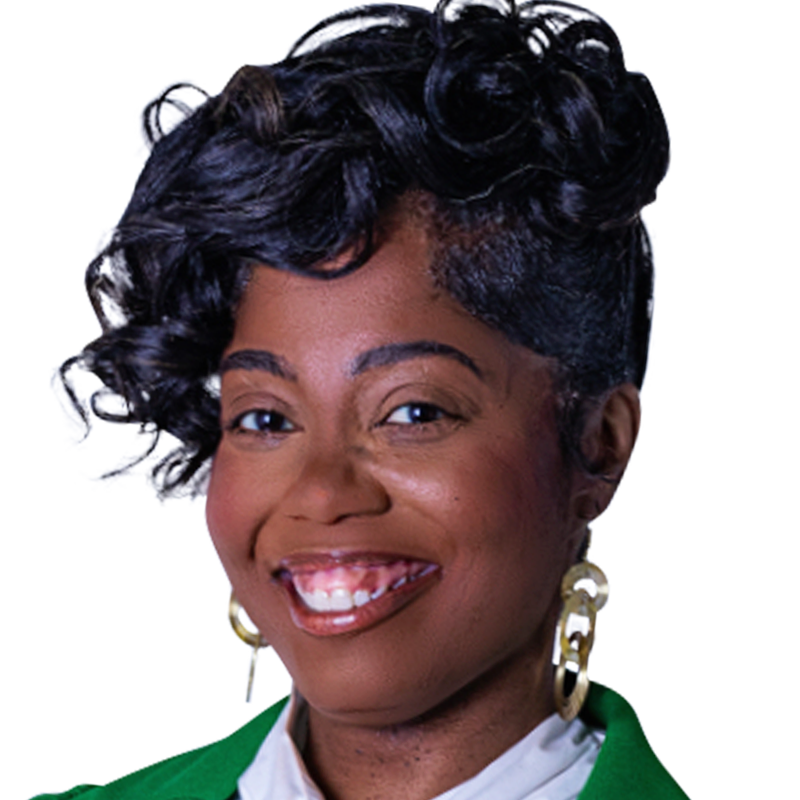
If the Midwest were a country, it would be the world’s fifth-highest carbon emitter — and most of its emissions come from heating homes and buildings. As leader of the Midwest Building Decarbonization Coalition, Marnese Jackson is organizing people across eight states to reduce those emissions and ease the devastating burden of high utility bills on poor people in the process.
In partnership with community organizations across the region, the coalition supports utility bill clinics, home weatherization programs, and mobilization efforts to get residents to advocate for building decarbonization policies before public utility commissions and state legislatures. Jackson has been CEO for just shy of two years and has big plans for the future: She wants to further empower coalition members by training them to gather data on indoor air quality — a form of citizen science — and do more targeted, local advocacy at the county and municipal levels.
Bringing community input into the arcane world of energy requires “different types of demographics coming together to speak the same language, to learn how to advocate together and look at the bigger picture from a grassroots model,” Jackson said.
This language was something she herself had to learn when she was an undergraduate in Ypsilanti, Michigan, and couldn’t afford her electricity bill on the combined income of her work-study program and her roommate’s convenience store job. She turned to government assistance. The experience motivated her to dedicate her career to energy justice advocacy and organizing, working for nonprofits across the country before landing at the Midwest Building Decarbonization Coalition. “I decided to continue to make this personal issue a passion,” she said. “I was, like, the test case of this whole energy and utility justice movement.”
Dave Jones
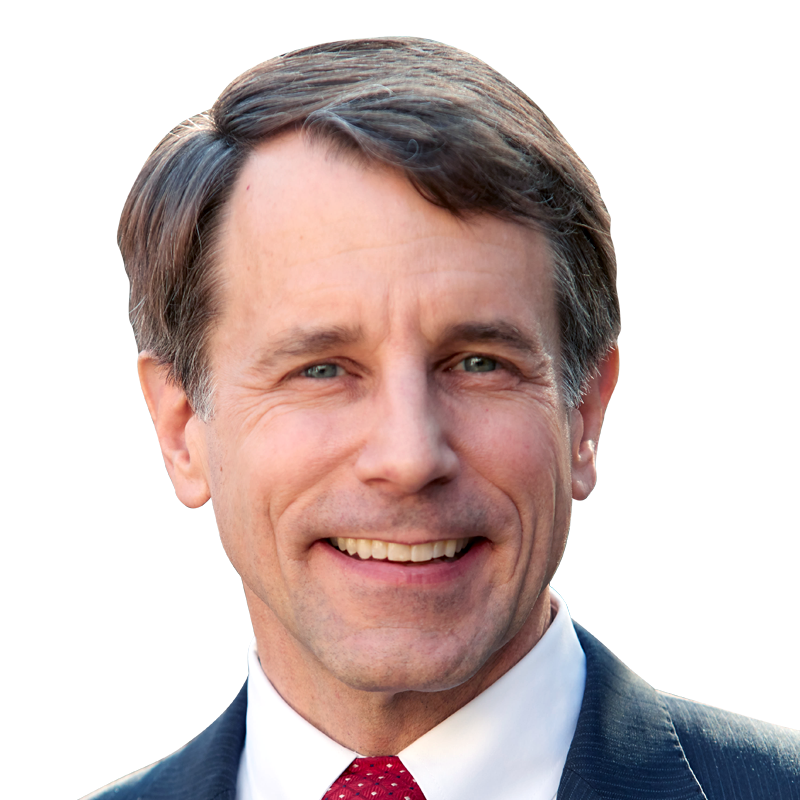
Dave Jones was one of the first financial regulators to sound the alarm on climate change’s threat to the insurance industry. In 2016, while he was serving as California’s insurance commissioner, Jones became the country’s first insurance regulator to require companies to disclose investments in fossil fuels — and asked them to divest from coal. As a result of his directive, insurers doing business in California ended up divesting around $4 billion from thermal coal.
But as insurers face down the already mounting impacts of climate change — wildfires, hurricanes, and floods — they are also raising prices and writing fewer policies, with companies like State Farm and Allstate pulling away from high-risk places in California in recent years.
Now, as director of UC Berkeley’s Climate Risk Initiative, Jones continues to advocate for policymakers and regulators to address the financial risks of climate change, with a focus on how insurance can adapt to face these new challenges. “The insurance crisis is the canary in the coal mine for the climate crisis, and the canary is dying,” Jones said, adding that unless we develop better tools to address climate risks, the whole U.S. financial system — insurance, mortgages, and more — could suffer shocks.
In April, Jones’ team at Berkeley partnered with The Nature Conservancy and the insurance company Willis to release the country’s first insurance policy that accounts for nature-based strategies to reduce fire risk, such as tree thinning and prescribed fires, resulting in lower prices in an area other companies are hesitant to do business in. The hope is for other major insurers to follow suit. “It’s a path to keep insurance available in areas where the background risk associated with climate change continues to grow,” he said.
Ellie Moss
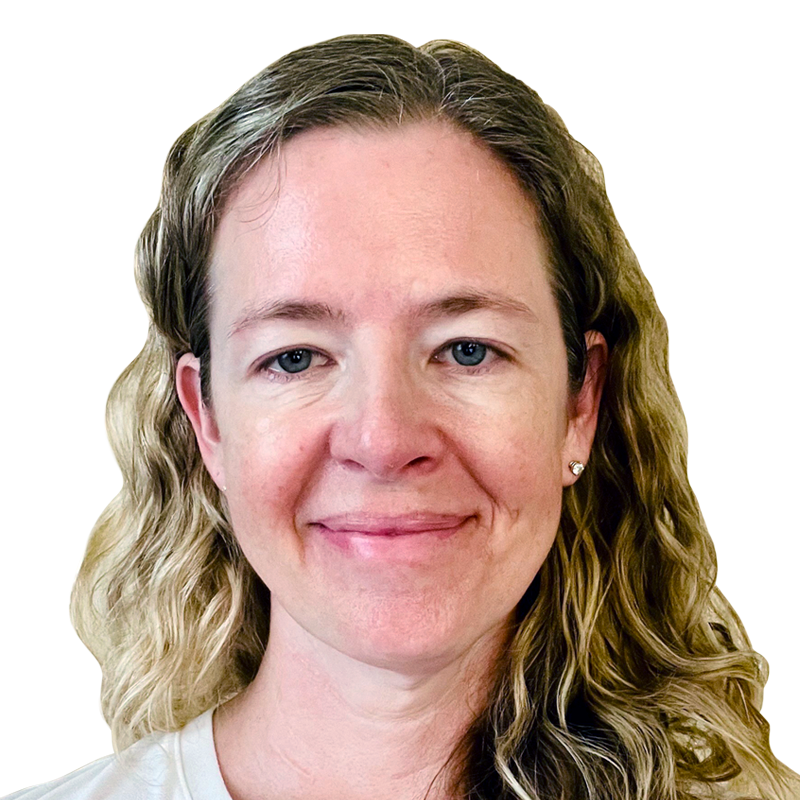
In 2016, while working as a sustainability consultant, Ellie Moss was hired to write a report on addressing plastic pollution. She realized then that replacing single-use packaging and foodware with reusable items was “a really under-leveraged opportunity to reduce greenhouse gas emissions, to reduce human health impacts of exposure to chemicals, and then also minimize waste and pollution.”
There were already many individual businesses experimenting with reusables — but the real challenge, Moss thought, was how to change behavior on a larger scale. “It’s really a system design problem,” she said. “No single restaurant or restaurant chain is able to solve this on their own.” So she co-founded Perpetual to create reusable foodware systems on the level of an entire municipality, where an entire group of restaurants would use the same reusable containers.
The point, she said, is to make it as easy and appealing as possible to embrace reuse systems as simply a facet of life in a given city — akin to a local library system, rather than a one-off book-lending project. To maximize ease, Perpetual is partnering with local governments to build in features like ample drop-off points around town and is contracting existing service providers to use apps for consumers to track their impact.
Since its launch in 2022, Perpetual has worked with four cities to start designing local reuse systems: Ann Arbor, Michigan; Hilo, Hawai‘i; Galveston, Texas; and Savannah, Georgia. Moss projects that the Hilo reusable system could launch in as few as six months.
Focusing on smaller cities is key to the organization’s approach — taking on an entire geographic space instead of, say, launching a pilot project at one venue in a larger city. “You can create this environment where the world that we wish existed, does exist,” said Moss. “This, if we are successful, is going to demonstrate that reuse is possible in a way that I think people today don’t really believe it is.”

Bonnetta Adeeb
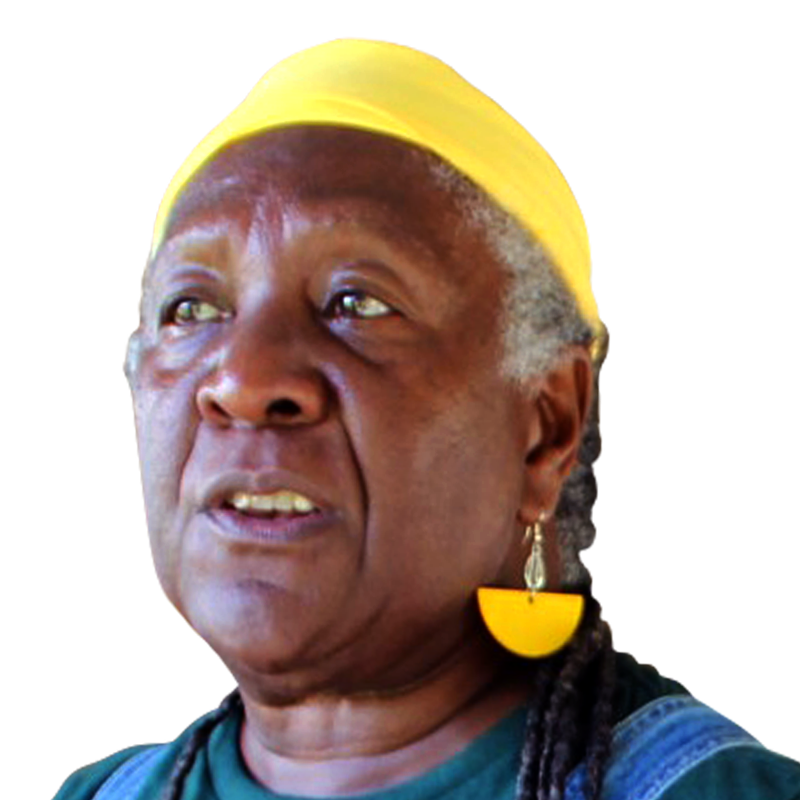
When Bonnetta Adeeb retired from her career as a Maryland school teacher, she still wanted to help her students find career opportunities in STEM and agriculture. A new kind of opportunity arose when COVID hit. Adeeb and a team of other farmers got connected with an organization that provided seeds to communities to promote food sovereignty during the pandemic. She and her students started receiving seeds and planting them in backyards. They set up 50 gardens in their first year, with a focus on planting for senior citizens.
But Adeeb noticed that these seeds weren’t the traditional crops that families in her community most wanted to grow — like scotch bonnet, mulukhiyah, okra, and collard greens. As the pandemic continued, Adeeb and her students began to network and share resources with other BIPOC farmers around the country. Out of their efforts emerged the Ujamaa Cooperative Farming Alliance, a program aiming to preserve culturally significant seeds and increase the number of BIPOC seed growers. In addition to setting up 11 seed hubs in the past five years, Ujamaa educates future growers through online courses and on-farm workshops, and through partnerships with universities and museums.
For Adeeb, planting traditional seeds is a way for people to reconnect with their lost heritage and with nature. By increasing biodiversity and breeding regional varieties of collards, okra, and other foods that can withstand extreme weather, cultivating heirloom crops is also a way to adapt and survive in a changing climate, she said.
“We’re reclaiming our culture, we’re reclaiming our tradition, but we’re also looking at how the knowledge of our ancestors can help us in preparing for our ever-changing and dangerous climate situation.”
Nikola Alexandre
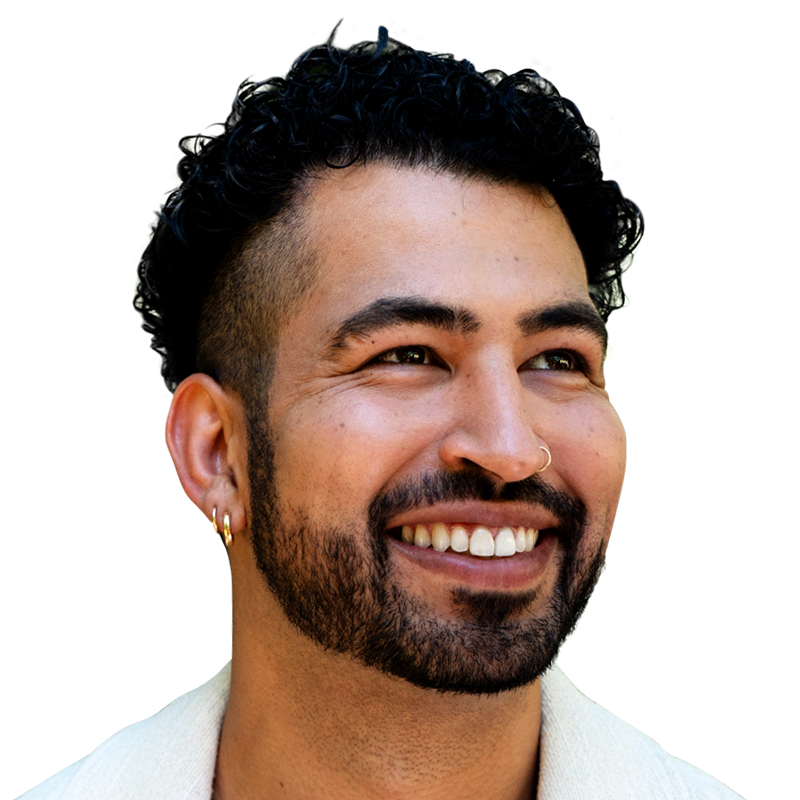
Keeping a forest healthy, Nikola Alexandre says, requires more maintenance than one might think. It also, counterintuitively, can involve cutting trees down and setting things on fire. Working in forestry for a decade as a Black, queer person, Alexandre longed for an opportunity to teach more people like him the skills needed to work in this field — a crucial one for climate resilience and carbon management.
“Forestry was a fairly isolated area of work, mostly dominated by straight white men, and so I was craving a larger community in those spaces,” Alexandre said. He wanted to build “a space where underrepresented communities can come and learn the technical, cultural, social — in some ways, spiritual — skills of land stewardship.”
In 2020, Alexandre co-founded Shelterwood Collective, a 900-acre, formerly degraded forest site in Sonoma County, California, now stewarded by a collective of about 20 workers, led by a core group representing queer, Black, Indigenous, and disabled communities. In the past five years, Shelterwood Collective has worked to restore the land, increasing biodiversity, decreasing the density of trees per acre, and clearing underbrush to make the land less vulnerable to Northern California wildfires. The team has also brought 700 visitors to the site to learn about forest health.
While he’ll continue stewarding the land at Shelterwood, Alexandre is stepping away from his role as executive director as he takes on a new role in climate finance at the nonprofit Conservation International. Though Shelterwood’s forest is by human standards massive, he said, “at the scale of the environmental challenges that we’re working with, it’s just a drop in the bucket.” So, in his work at Conservation International, Alexandre plans to try and bring the strategies that found success at Shelterwood to a broader part of the world.
Cynthia Burgos López
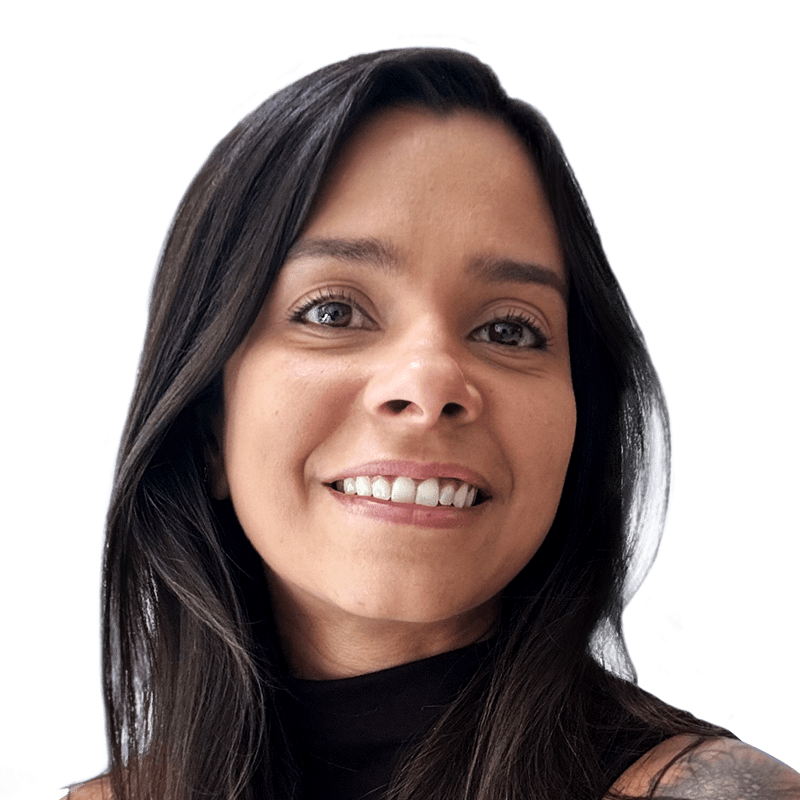
For Puerto Rico’s residents, tropical storms are a familiar challenge. But the successive onslaught of major hurricanes, like Irma and Maria in 2017, laid bare the fragile nature of infrastructure throughout the U.S. territory and the access to critical resources like food and water that depend on it. The storms shattered local economies and devastated communities.
Residents needed to rebuild. But, according to Cynthia Burgos López, the government has a track record of excluding local voices from decisions about their own spaces. She believes communities have the right to plan and build their environments — in 2014, she co-founded La Maraña, a design and building nonprofit, to provide financial support and work alongside residents to do just that.
“We don’t always have the spaces for different people to sit around, talk about the same project, and look for the same solution,” said Burgos López. “We are designing projects that the people are going to use, so we should ask the people.”
As the threat of disasters grows more intense, Burgos López has kicked her work into high gear. She has leveraged hundreds of thousands of dollars in grants and donations to rebuild physical infrastructure to best suit residents’ needs, including transforming abandoned schools into community centers, co-building a community water supply system, and restoring market spaces for fishers — always centering communities’ lived experiences, while integrating climate-resistant materials and strategies to withstand future storms. This year, the organization is investing more money in new community projects, including an initiative to improve transportation in Puerto Rico.
“Climate and nature should be on the table with the same importance as health, education, and defense,” Burgos López said. “It should be understood as a system that supports our livelihood and that life as we know it will not be available if we don’t — and communities should be the ones making decisions that affect them.”
Joseph Charap
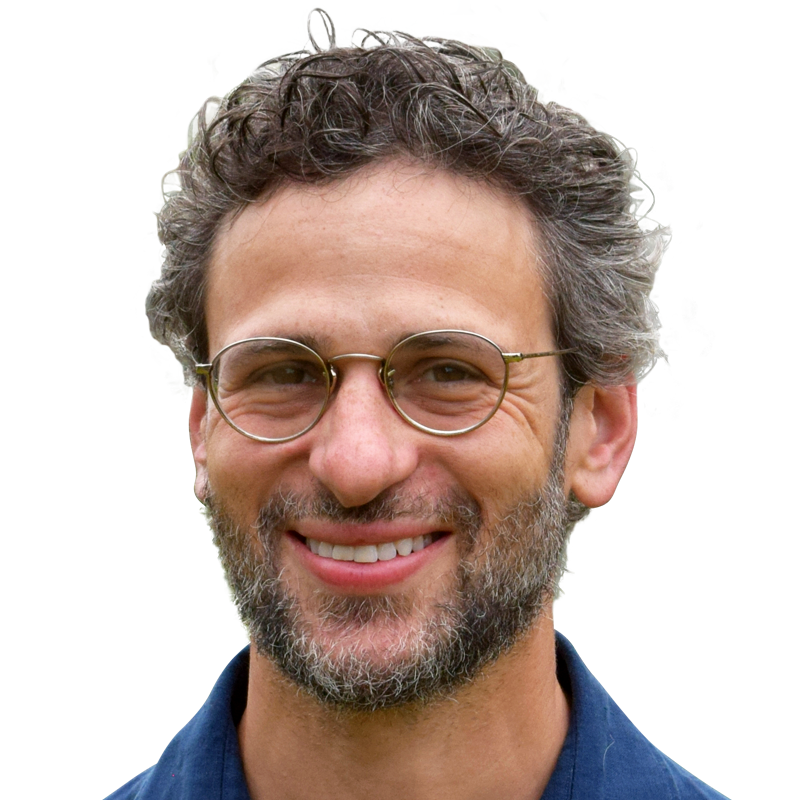
When Joseph Charap started working outdoors, a funny thing happened: “I was much happier,” he said. Unlike his prior job at a medical research lab, gardening allowed him to feel connected to nature — and inspired him to get a degree from the School of Professional Horticulture at the New York Botanical Garden.
After plant school, he landed a job stewarding a sprawling, 478-acre verdant oasis in the middle of working-class Brooklyn, New York. It’s not a park, or a garden — though it is accredited as an arboretum. It’s a different type of green space: The Green-Wood Cemetery.
Since joining Green-Wood, Charap has spearheaded initiatives to boost biodiversity, enhance the cemetery’s collection of 8,000 trees, and better adapt to climate change. Working together with plant scientists and landscape designers, he identified areas that can be maintained as “perpetual meadows,” where native grasses can grow longer and staff can experiment with various seed mixes. He’s also worked to relax the cemetery’s reliance on lawn-mowing, achieving reductions in its greenhouse gas emissions.
But another part of his mission is rethinking the cemetery’s role in the greater community. Understanding the crucial role that green space can play in shielding urban areas from climate impacts, Charap has overseen the installation of new systems to help better manage stormwater. That project, completed last summer, will reduce the volume of water entering the sewer system during storms by an estimated 51 million gallons each year.
Most people view a cemetery, first and foremost, as a resting place for the dead. But “if we can manage this space in such a way that serves the community’s needs for a green space,” Charap said, “that is our responsibility.” His hope is that his work at Green-Wood will serve as a model, so more people can learn to view cemeteries as unique places of respite for the living, too.
Caroline Cotto
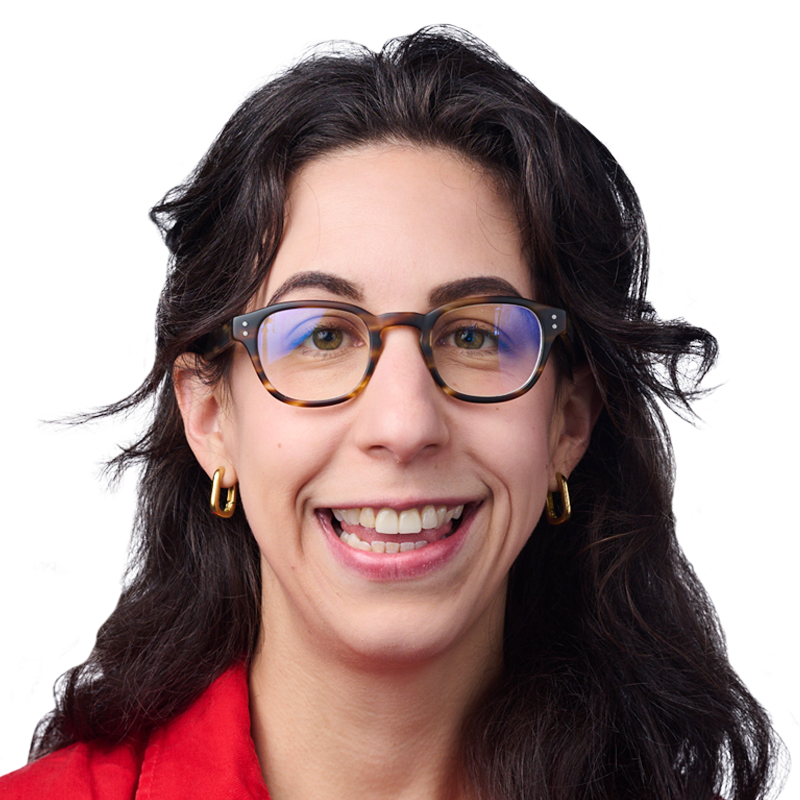
Caroline Cotto always knew she wanted to work in food — the question was how. She did a stint at a food-focused startup incubator, and even launched her own upcycled food business in 2018. Both experiences taught her how to develop a product and bring it to market.
Now, she helps other brands navigate these challenges — with a twist. She works with plant-based meat companies to taste test their products, with the goal of making them more appealing to meat lovers. Cotto is the first and only full-time employee of Nectar, an initiative born out of the philanthropic organization Food System Innovations focused squarely on gathering data to help make plant-based meats taste better.
Research shows eating less meat is a critical step in meeting climate targets. Today, there are more plant-based brands competing for consumer attention than ever, and yet demand for faux meat has fallen — with lackluster flavor being a common gripe.
At Nectar, Cotto designs blind consumer taste tests where participants rank plant-based proteins — veggie burgers, meatless meatballs, faux chicken — alongside their animal counterparts. “We sit outside of the industry, so we can be a truly objective third party,” said Cotto. “We’re not sugarcoating where the industry is.”
Nectar offers data for free to brands in exchange for donations of their products for testing. Its other advantage is scale: Each taste test has at least 100 participants. The initiative is still new, but the aim is to offer robust enough data to help companies tweak their product formulas — which some have already done — and ultimately boost sales.
Cotto’s research has shown some vegan options, like certain chicken nuggets, already taste as good as the real thing to some study participants. “Our goal is to bring some hope back to this conversation in a data-backed way,” said Cotto.
Christopher Galarza
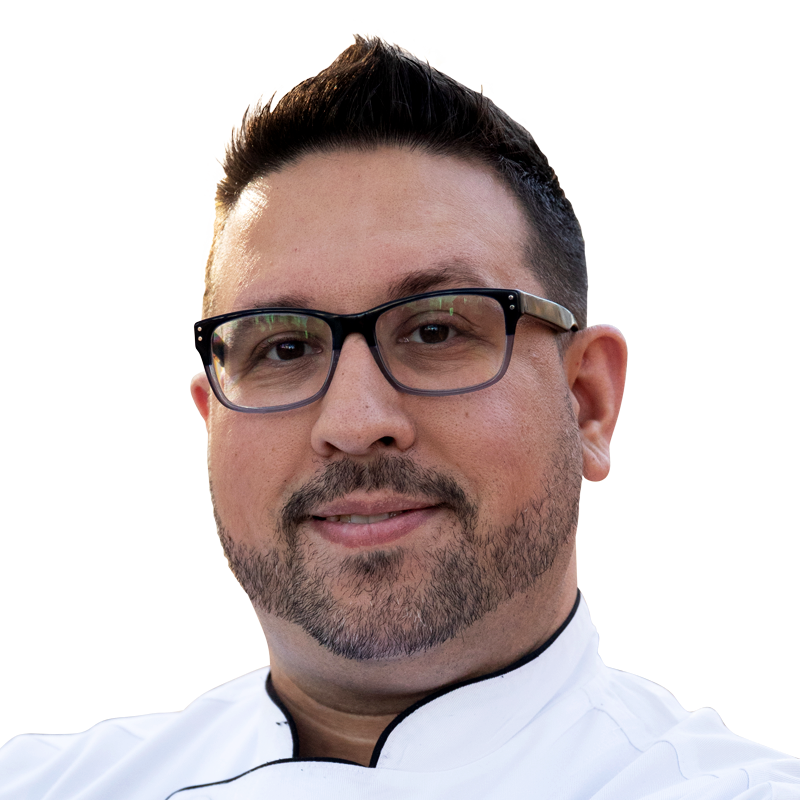
Food on the table was not a given throughout Christopher Galarza’s childhood. Working three jobs, his mom, an immigrant from Brazil, raised Galarza and his sister on her own in a low-income New Jersey neighborhood. Experiencing food insecurity — and even periods of homelessness — led Galarza to start working in restaurants at a young age. Eventually, he rose up the ranks and learned what it takes to run a kitchen.
Culinary school was where he first learned about the role the food sector plays in the climate crisis — and the untapped potential of cooking without fossil fuels. From their inception, gas stoves have been considered the gold standard for chefs, but the methane gas these stoves burn is harmful for the planet and human health. Induction technology, which runs on electricity instead of fossil gas, has emerged as a cost-effective, climate-friendly alternative.
Last year, Galarza became the first U.S. executive chef to receive his culinary certification in an all-electric kitchen. Ever since, he has advocated for the adoption of induction stoves in commercial kitchens — for instance, consulting with brands like Microsoft to design all-electric kitchens on their campuses. This year, he’s been busy championing a bill in the New York state legislature to label gas stoves with their health hazards, like we do with cigarettes, which he sees as a simple way to educate consumers on the harms of these appliances.
“I’m trying to speak a language that everyone can get on board with … I’m helping bridge that connection between environmentalism, sustainability, and economic prosperity,” said Galarza. His 2023 book, Understanding the Green Industrial Revolution, explores how the culinary and hospitality sectors can embrace alternatives to fossil fuel-powered systems. What he wants to do is “open up the hospitality industry to understand that there is a better way of doing things.”
Alex Haraus

The year was 2020. Alex Haraus had just moved to Denver and was applying for jobs at various environmental nonprofits. Broke, and feeling unmoored, Haraus took a big gamble: He used what little money he had to put a downpayment on a Subaru and hit the road. Documenting his journey on social media, he realized he could use the allure of this nomadic lifestyle to invite readers into the climate and conservation causes he cared about.
Some of his earliest videos quickly garnered hundreds of thousands of views on TikTok; in a few months, he had racked up a total of several million. He’s now been at it for five years. His snappily edited videos, which cleverly jump on trends and mix gorgeous outdoor scenery with concrete calls to action, have contributed to successful campaigns opposing extractive projects, especially those on public lands.
“My goal is always [to] change something offline,” said Haraus. “I’m personally very passionate about empowering people where they’re at, validating their love for the Earth and their communities, so that they can … just work together to implement climate solutions.”
When Haraus encouraged his followers to sign a petition against the Biden administration’s planned buildout of liquefied natural gas export terminals, it went on to rack up more than 415,000 signatures. The campaign was one of many advocacy efforts that ultimately led to the administration’s pause on new liquefied natural gas terminals.
This year, as the Trump administration dismantles environmental protections, Haraus is launching new campaigns in defense of public lands and policies that protect the environment and human health. With some 890,000 followers across all platforms, and frequent collabs with other creators and organizations, he estimates that his advocacy has helped to catalyze trends that, altogether, contributed to about 14 million actions — like public comments to federal agencies, donations to a cause, or petitions signed.
Zia Mehrabi

When Zia Mehrabi was a teenager, he dropped out of school. At the time, he rebelled against the establishment, questioning why he had to learn a certain way. After working a string of odd jobs, he found himself inexplicably drawn to the world of research, which he saw as a way to better understand the world — and himself. When he was accepted into Oxford, Mehrabi became a first-generation university student.
One of his first research interests was food access — a problem he saw as a glaring example of inequality. “People are not just hungry because they are not working hard. People are hungry because they are having their rights stripped from them systematically,” said Mehrabi. “Fundamentally, they are human rights issues.”
In 2021, Mehrabi founded the Better Planet Laboratory at University of Colorado, Boulder, which arms partner organizations with data to adopt more effective solutions to the overlap of food insecurity, biodiversity loss, and climate change. That has included collaborating with Amnesty International to aggregate datasets that pinpoint community-level impacts of oil, gas, and coal operations in fragile ecosystems worldwide, and working with other partners to develop a sustainable farm-management application used by producers in Latin America.
Last year, Mehrabi co-authored a paper examining how adding diversity back into agricultural systems might improve both environmental and social outcomes across 11 countries. The groundbreaking study resulted in Mehrabi winning the 2025 U.S. National Champion Frontiers Planet Prize award, and one of three international awards — along with $1 million in prize money to continue that research. And in June, he helped launch a “digital twin” of the global food system that maps food flowing across the world in unprecedented detail. The aim is to help inform policymakers and researchers working to better prepare for the impacts of climate change along critical points of the fragile and complex food supply chain.
Jesse Smith

In 2017, Jesse Smith was working on a small, family-run farm with his wife in their hometown of Santa Barbara. That December, the Thomas Fire started just a few miles away. It went on to burn nearly 300,000 acres, making it the largest wildfire in California history at the time. The community lost 26 lives in the fire and the flooding and mudslides that followed.
The disasters “highlighted the lack of resilience in our local food system,” Smith said. The mudslides blocked the road they relied on to get products to market; the fires damaged the land around them. “We evacuated that first night it started, and never moved back to the farm.”
But Smith found a way to continue farming — while promoting a more resilient landscape. He now works as the director of land stewardship for White Buffalo Land Trust, a hub for education and training on regenerative agriculture. The centerpiece of the land trust is Jalama Canyon Ranch, a restoration project and living lab on a 1,000-acre former cattle ranch.
Smith’s approach marries traditional regenerative techniques (like cover cropping, rotational grazing, and fostering pollinator habitat) with approaches centered on resilience against floods, fires, and other climate impacts — like restoring waterways, native oak woodlands, and perennial grasslands. He’s also encouraging his neighboring farmers to cultivate climate-hearty crops, like elderberries and agave.
“When I started farming, I recognized how many things were kind of stacked up against a small, diversified farmer,” he said. He’s trying to shift that balance by spreading regenerative practices that can be lucrative in the long term by benefiting the ecology of the land. “If I wanted to see more of what I felt like was the potential of farming and ranching in my hometown,” he said, “things have to change.”

Sam Balto
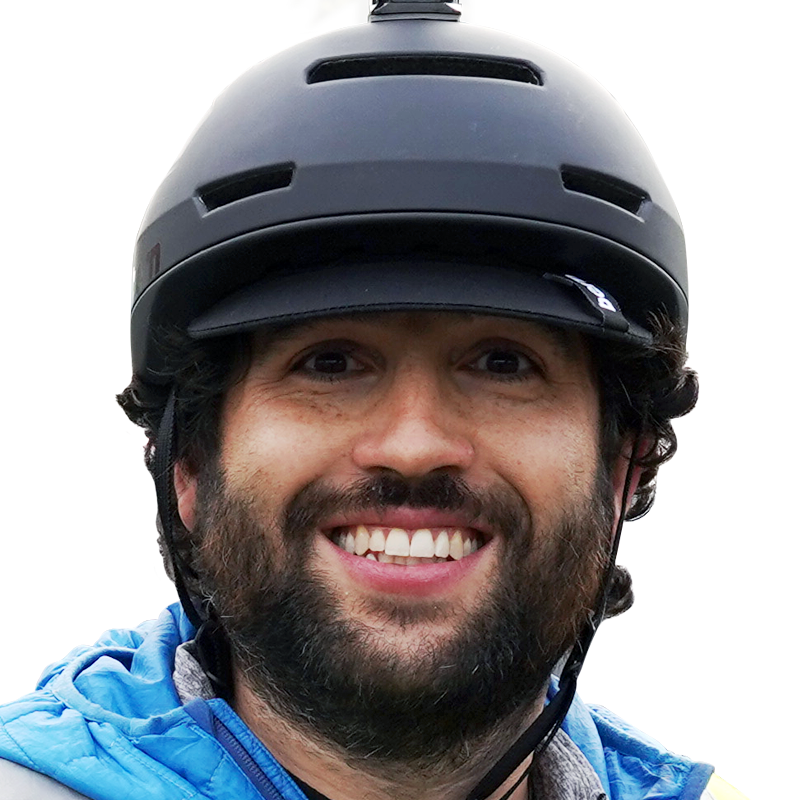
Sam “Coach” Balto is always searching for ways to get students and children physically active.
“Movement is everything,” said Balto, a former physical education teacher with Portland Public Schools. “We did not survive as human beings for thousands of years by being sedentary and isolated.“
So for Earth Day 2022, Coach Balto created the “bike bus,” a convoy of bikes that met roughly a mile and a half from the school where he taught and picked up children and parents along the way. Little did he know it would be the start of a wider movement.
Not only were the students enthusiastic to do it again week after week, but with the power of social media, Balto’s posts of the Earth Day bike bus went viral. More people in other states, including New York, New Jersey, Florida, Utah, and Texas, started replicating the model.
“People are really looking for tangible ways to make a difference,” said Balto, who drew inspiration from a similar movement called bicibús, or bike bus, in Barcelona, Spain. “And showing up on the bike bus creates safety in numbers. It’s also climate action, good for mental health, and so on.”
This year, Balto decided to leave his job as a P.E. teacher and go all in on running his nonprofit Bike Bus World to help more communities get on board. His social media continues to gain traction — nearly 500,000 followers and counting on TikTok — and there are now over 200 bike bus initiatives across the U.S.
Laura Bither

Growing up in southern Maine, Laura Bither spent her childhood outdoors and was always passionate about the environment. After graduating from college, she spent a year with the AmeriCorps VISTA program, embedded in an organization focused on economic mobility and financial literacy — “things that were adjacent and related, but not so directly tied to climate,” she said. But through that work, she realized we talk about matters related to climate more often than we think, especially when it comes to planning for our futures.
In 2021, Bither joined the fledgling local group JustME for JustUS, an organization that creates opportunities for youth in Maine to lead on climate issues in their own backyards, with a special focus on rural areas and on building bridges across the political aisle. “We found that events that are bringing people together to do some sort of collective action and are building relationships have been really impactful,” she said.
Bither became the organization’s director in 2022 — her “dream job.” Since then, she has engaged hundreds of youth through workshops and other initiatives addressing issues that affect young people in the state, such as climate anxiety, PFAS contamination, and a need for “third places” in rural areas. And under her wing, groups of youth organizers have launched their own local events to bridge communities and build trust among peers from all walks of life.
In order to make organizing work more accessible for young people in rural communities, the organization is dedicated to paying its participants for their valuable time and expertise. “It’s not a narrative we tell young people enough, especially in rural areas,” she said. “And so a lot of our work is really this work of empowering and showing young people they actually have a lot of skills.”
Big Wind Carpenter
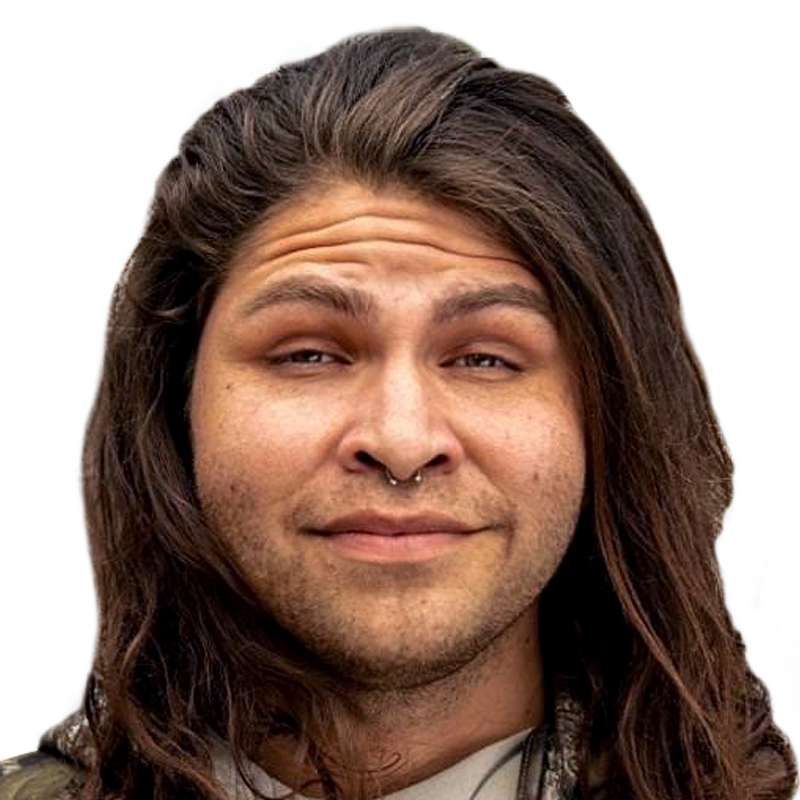
Big Wind Carpenter was a teenager when they started wondering: Why was there industrial waste in the creek where they swam with their friends? Why were oil and gas fields so close to their home? Why were so many of their loved ones sick?
Those questions launched a life of activism for Carpenter, a Two-Spirit member of the Northern Arapaho tribal nation in Wyoming. Later, when they joined the Standing Rock movement against the Dakota Access pipeline, they realized the power of direct action.
“We were going to regulatory commission hearings. We spoke to our representatives. We did everything that we were supposed to do, and none of that worked,” Carpenter recalled. “It literally took people chaining themselves to machines. It took them locking themselves to equipment.”
Carpenter is now an international climate activist, using that spirit of direct action to demand accountability both at home and on a global stage. They plan to attend their sixth United Nations “Conference of the Parties” (known as the COP) this November in Brazil, where they’ll be advocating for direct climate funding for Indigenous peoples, among other priorities.
“When I am in the same room as these people, I’m not using that opportunity for pictures,” Carpenter said. “I’m there to call them out on their policies.” That frank approach has proven effective. After they “bird-dogged” John Kerry, then the U.S. special envoy for climate, at one such conference, he set up a meeting with them the next day to discuss the United States’ stance in the negotiations as well as funding for climate action back at home.
Carpenter is equally focused on making their own backyard cleaner and healthier. As a tribal engagement coordinator at the Wyoming Outdoor Council, they help tribal nations in the state meet their green energy and conservation goals by helping them formulate climate mitigation plans, apply for grants, and advocate for environmental justice on their land.
“I think I have an obligation to fight for the future that I wish to see, the future that I wish to leave behind,” Carpenter said.
Junior Ezeonu
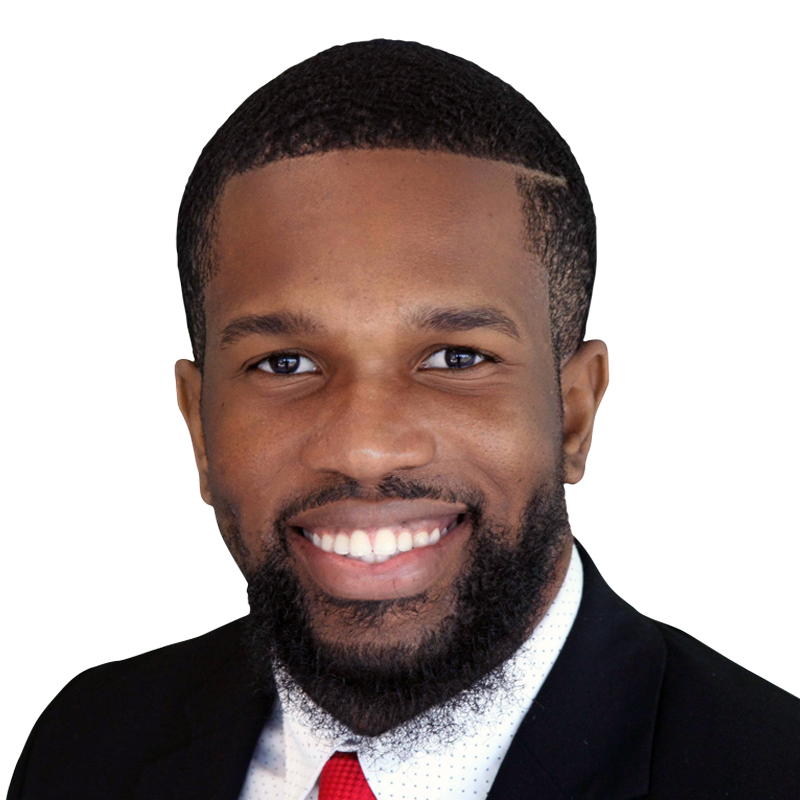
Junior Ezeonu was 17 years old when Bernie Sanders, campaigning for president in the 2016 Democratic primary, started gaining traction with a platform that advocated for universal health care and strong climate action. “That’s what I want to do,” Ezeonu thought. “I want to serve the people in my district, and I want to make my home a better place, not just for me but for those who are going to come after me.”
Five years later, at age 22, Junior Ezeonu beat a 12-year incumbent to become the youngest city council member in the history of Grand Prairie, Texas, and the first Black council member since the early 1990s — with a platform focused on infrastructure and affordability.
In 2022 and 2023, he helped raise the minimum wage for city employees and launched an on-demand micro public transportation service that takes people anywhere in Grand Prairie, including four nearby colleges, for just $3 a ride — the only transportation service for the general public in the otherwise car-centric city.
During Ezeonu’s time in office, Grand Prairie has conducted an inventory of its greenhouse gas emissions, purchased electric vehicles for its municipal fleet, and started developing a climate action plan. He hopes to hire a sustainability manager who will help the city secure grant funding for more green initiatives.
While he continues to hold office in Grand Prairie, Ezeonu is also trying to help bring climate progress to other localities. His day job is with Climate Cabinet, an advocacy group that helps political candidates in local and state elections across the country run on climate change platforms that are tailored to the constituents they hope to represent. “That’s what I do on a day-to-day basis,” said Ezeonu, who works as a political program manager for the group, primarily in swing states. “Support good candidates that are running as climate champions and are trying to fix our world.”
Lake Liao
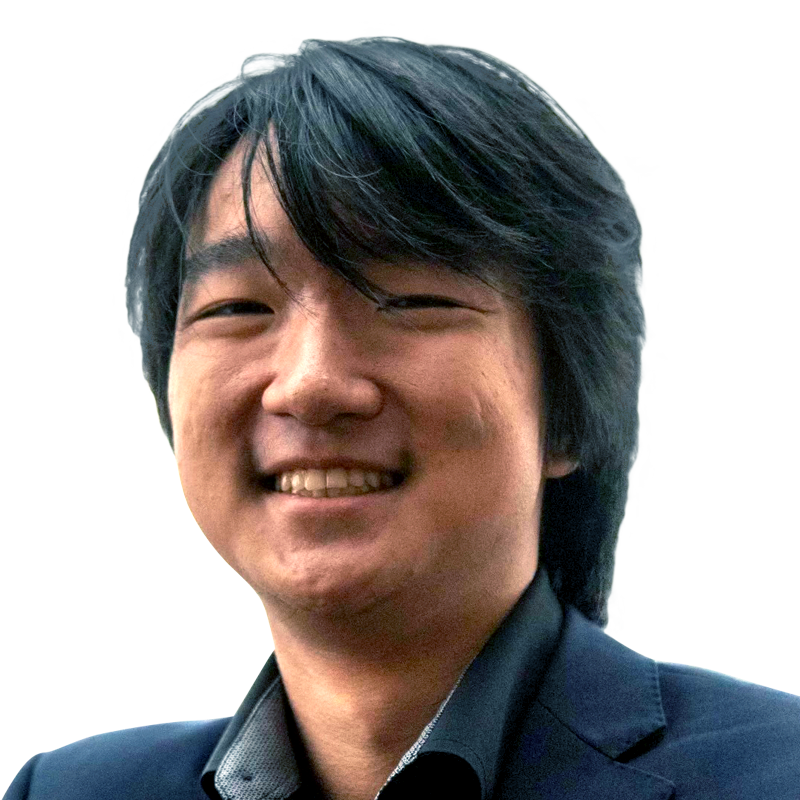
When Lake Liao was 13 years old, he stumbled on a video asking people to imagine what the United States would look like after the passage of a climate justice plan called the Green New Deal. “I was a middle schooler,” he said, “but I was like, ‘I have to get involved in this.’”
In the six years since, Liao has done exactly that. He dove into the world of politics, working on big national campaigns like Joe Biden’s presidential run in 2020. At age 17, Liao was appointed to the Democratic National Committee’s climate council, a new entity aimed at centering climate change more prominently in the Democrats’ national strategy.
But since the start of President Donald Trump’s second term, Liao has turned his mind to the question of how to accomplish climate policy that can weather shifting political winds and stand the test of time. A thought kept flashing through his head: What if it was unconstitutional to stop climate progress? And what if it was constitutionally required to legislate for a safe climate?
“We need to have a long-haul framework,” he said. “We’re going to keep losing progress until we have legally protected climate action.”
In January, he started an education and political organizing group called Capitol Hill Academy, aimed at advancing constitutional amendments that give young people the right to a stable climate system. He’s working with a growing number of high school and college students across the country, launching local chapters to push for state amendments. And, in collaboration with climate attorneys and law professors, Liao also wrote what he hopes will someday become an amendment to the U.S. constitution, guaranteeing “the inherent, inalienable, and fundamental rights of all persons, including children and our posterity, to a healthy environment, clean air, pure water, and a stable climate system.”
Melissa Mays

After the city of Flint, Michigan switched water suppliers in 2014, Melissa Mays and her family began experiencing rashes and respiratory illnesses. Improperly treated water from the Flint River had caused lead, bacteria, and other toxins to leach into residents’ tap water.
Working full-time in music PR while caring for three children, Mays didn’t know how to be an activist. She had never even attended a protest. But as the Flint water crisis grew, she began speaking up. “You learn when your life’s on the line,” she said.
Mays soon became a driving force in replacing damaged water pipes in Flint, gaining national attention. In 2015, she co-founded the Water You Fighting For group to help residents organize, later joining Flint Rising, an environmental justice coalition. “Erin Brockovich tracked me down; I connected with Lois Gibbs,” she said. “All these amazing women who’ve fought for clean water for decades taught me to be an activist.”
In 2016, Mays, along with the NRDC (Natural Resources Defense Council), Concerned Pastors for Social Action, and the ACLU of Michigan filed a precedent-setting lawsuit against the city of Flint and Michigan state officials, securing $97 million to find and replace dangerous lead water lines and provide free water filters and test kits to residents. Mays and her fellow plaintiffs fought for over eight years, returning to court six times to ensure Flint fulfilled its legal obligations. Mays also served as lead plaintiff in a class action case that helped achieve a separate settlement of over $620 million for the community.
Mays now helps other communities across the country fight for safe water and accountability. Her experience has taught her that when ordinary people unite, they can create transformative change. “I want these issues fixed, and fixed right,” she said. “I’m not going anywhere until they are.”
Sarah Newman
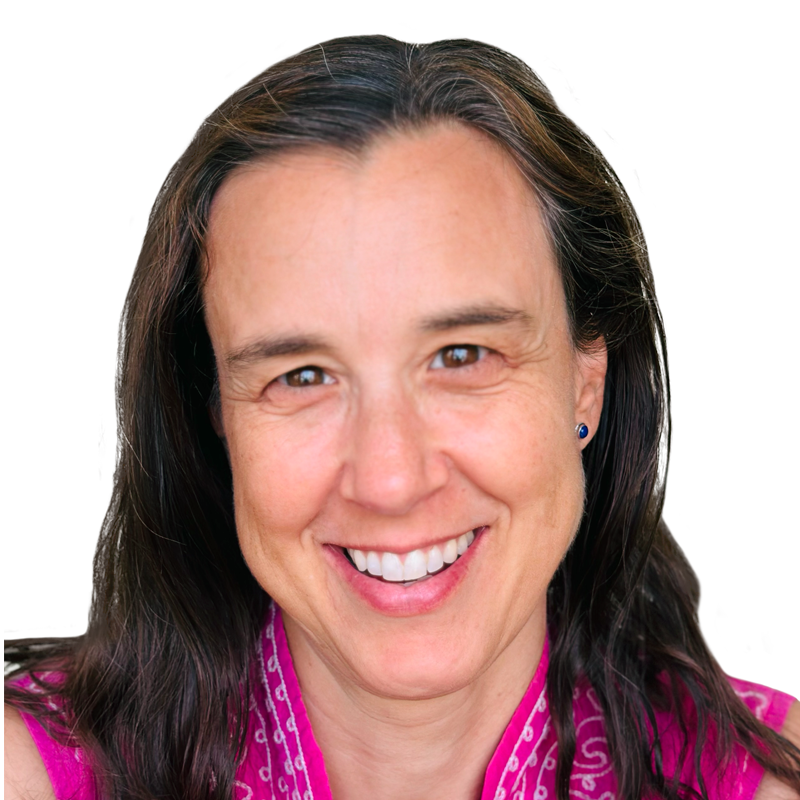
In 2021, Sarah Newman was struggling with anxiety about the warming planet. She searched online for resources to help her deal with her own climate emotions and didn’t find exactly what she was looking for. So Newman, then a strategist for social impact campaigns, founded the Climate Mental Health Network, a group dedicated to building emotional resilience in the face of climate disaster through research, resources, and programming.
“We center youth in our work, because young people are disproportionately experiencing the mental health impacts of climate change,” Newman said. Each year, the network works with a Gen Z cohort, helping them put together zines, run burnout prevention workshops, and connect with older climate activists, among other things.
In doing so, the network is trying to address a big and under-recognized problem. A study published in The Lancet last year showed that over a third of people between 16 and 25 feel that climate change makes their daily lives worse. Nearly half said it hurts their mental health.
Newman and the Climate Mental Health Network also rolled out a suite of resources for parents and teachers, specifically geared toward helping middle schoolers grapple with feelings about climate change. A group of 40 teachers in 25 states ran a pilot last fall using those resources and reported that they felt more confident addressing students’ emotions — and their own. The “climate emotions wheel,” a resource used in the kit, is one example — it’s a handout that’s been translated into 30 languages to help people of any age name the feelings they’re experiencing.
The full toolkit is available online for free, along with the rest of the organization’s offerings. “I really don’t want there to be any barriers to accessing resources when people desperately and urgently need these things,” Newman said.
Nadezna Ortega

When the deadliest U.S. wildfire in over a century tore through Lahaina, Maui, in 2023, communities across Hawai‘i sprung into action, coming together to establish resource hubs and offer vital support when federal aid was initially slow.
Nadezna Ortega was among those scrambling to help. At first, she was doing what she could online to help some family members who had recently migrated to Lahaina from the Philippines access aid and other resources. Soon, she realized other Filipino immigrants also needed help.
“We noticed that there wasn’t a targeted response to help the Filipino community there,” said Ortega, an instructor of Ilocano studies (an indigenous language in the northern Philippines) and Philippines culture at the University of Hawai‘i at Manoa. Filipinos made up about 40 percent of Lahaina’s residents before the fire, which killed a disproportionate number of this population.
That’s when Ortega co-founded a nonprofit called Tagnawa, an Ilocano word for mutual aid and reciprocity. Three weeks after the fire, coordinating with community aid workers on Maui, she and a group of volunteers from Oʻahu packed their bags and flew to Lahaina to help translate aid applications and conduct a survey to find out exactly what the Filipino migrant community needed.
In the years since, Tagnawa has continued to provide crucial translation services and has raised funds to help displaced Filipino residents. Ortega’s research on the sexual exploitation that Filipina women experienced in the aftermath of the fire has also fueled advocacy efforts for federal and local gender violence hubs in response to disasters.
“I experienced anti-Filipino racism growing up in Hawai‘i, and that shaped a lot about the work that happened later on in my life, because I was made to feel ashamed of being Filipino,” Ortega said. “Because of that, I always knew that I have to give back.”
Deneine Christa Powell

In January, when the new Trump administration began pulling back from federal climate action and funding, Deneine Christa Powell understood that her organization had to step up. She’s CEO of the Urban Sustainability Directors Network, or USDN — a community of some 3,700 professionals working on sustainability at the municipal level across the U.S. and Canada.
“Local governments are one of the last lines of defense to maintain climate progress,” Powell said. Before she joined USDN, she built a career working on climate and nature-based solutions in her home city of Milwaukee, serving as the leader of a grassroots nonprofit, Groundwork Milwaukee, through the first Trump administration and the start of the COVID-19 pandemic. She was later employed by the city and helped facilitate conversations to bring residents’ voices into Milwaukee’s climate and equity plan, which was released in 2023.
Now, leading USDN, Powell believes it’s her job to support other cities and communities in carrying on their sustainability and resilience work. As Powell noted, local governments have long been leaders in climate ambition — and their work has only become more crucial in the face of a federal retreat from all things climate.
One thing she’s especially focused on, in her first year as the network’s leader, is funding. Recognizing that “federal funding isn’t always going to be there,” Powell is helping local officials integrate climate measures into city budgets, launching a municipal finance program, and looking for other money streams to “ensure that climate work has a durable, long-term funding mechanism baked into government processes.”
Fletcher Sams
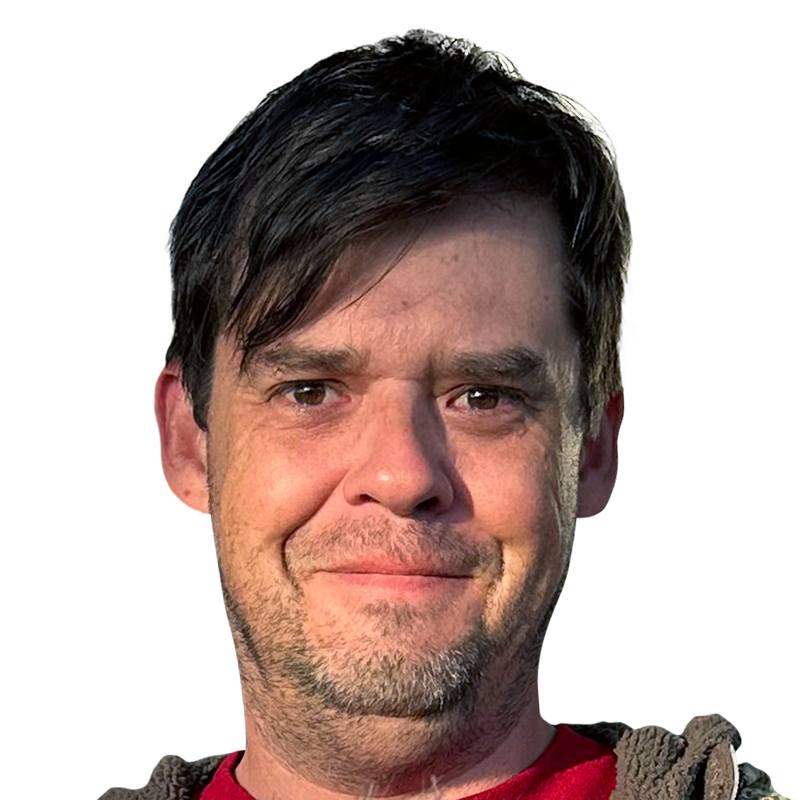
For decades, America’s largest coal plant leaked toxic ash into the drinking water in Juliette, Georgia. But many residents didn’t know their wells were unsafe to drink from — until Fletcher Sams, executive director of the nonprofit Altamaha Riverkeeper, trudged around testing pollution levels in more than 300 wells in Juliette and the surrounding unincorporated areas, and announced at a packed town hall in 2020 that he’d found dangerous heavy metals.
In the five years since, Sams has become a thorn in the side of Georgia Power — the company that operates Plant Scherer — and Juliette’s most dogged advocate. As a result of his work, the county built a 73-mile water line to pipe clean drinking water to Juliette so that residents no longer have to rely on contaminated wells.
Sams took a circuitous route into environmental advocacy. He followed a deployment as an Army paratrooper in Operation Iraqi Freedom with stints in banking, firearms manufacturing, and Democratic political campaigns across the country. During Hurricane Harvey in 2017, Sams took a week off work, drove to East Texas with the “mud boat” he normally hunts ducks in, and rescued some 30 people stranded in their flooded homes.
Since 2019, as leader of Altamaha Riverkeeper, Sams has been monitoring pollution and advocating for clean water in the Altamaha River Basin. The work leans on his deep roots in Georgia and his knowledge of its waterways — he’s an avid hunter and fisher, and maintains a side hustle designing hand-tied flies for fly fishing.
“A lot of people think that environmental advocacy is submitting comment letters and suing people,” Sams said. “And that’s part of it, but I think the real change in the environmental movement is when people decide to take care of their own backyard.”
Yvonne Taylor
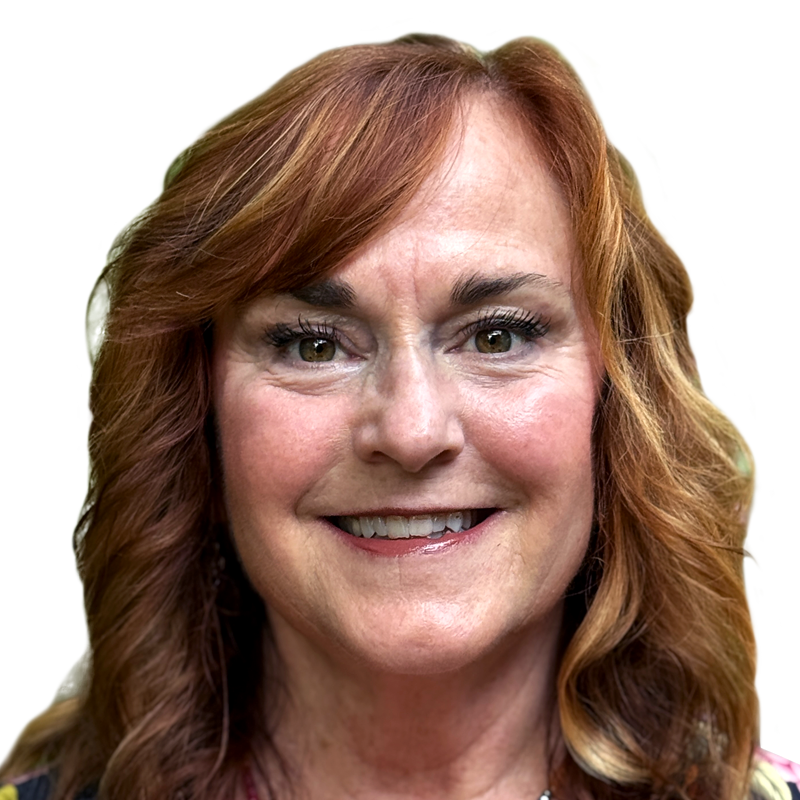
Growing up in the Finger Lakes region of New York state instilled in Yvonne Taylor a profound appreciation for nature. So whenever she hears about a potentially polluting facility setting up shop near her home, she acts on it.
Taylor, the co-founder and vice president of the nonprofit Seneca Lake Guardian, has been instrumental in many major climate actions in New York: securing a statewide ban on fracking, shutting down a gas storage and transport hub in the Finger Lakes, banning the construction of new waste incinerators near the region’s watershed, and more. Among her most recent endeavors, Taylor is taking on the cryptocurrency industry.
A shuttered coal-fired plant near Taylor’s home has been repurposed to fuel cryptomining operations. Much like artificial intelligence, cryptomining requires brute-force computing power, consuming massive amounts of electricity and millions of gallons of water a day. The waste heat produced by these facilities is also raising lake temperatures and endangering vital fisheries, and the fans used to cool them produce noise pollution that Taylor describes as “living next to a jet engine.”
While it has been an uphill battle, Taylor has brought attention and informed public discourse around the issue, including turning out dozens of community members for protests and defeating bills that would have allowed unregulated cryptomining in the state. She’s also looking beyond New York. In 2022, Taylor launched the National Coalition Against Cryptomining, a group that has spread across 22 U.S. states advocating for strict federal and state regulations against the rapidly growing industry.
“It’s overwhelming,” she said. “But I believe that we have to keep moving in the right direction and stand up for what is right and keep fighting regardless.”
Violet Sage Walker
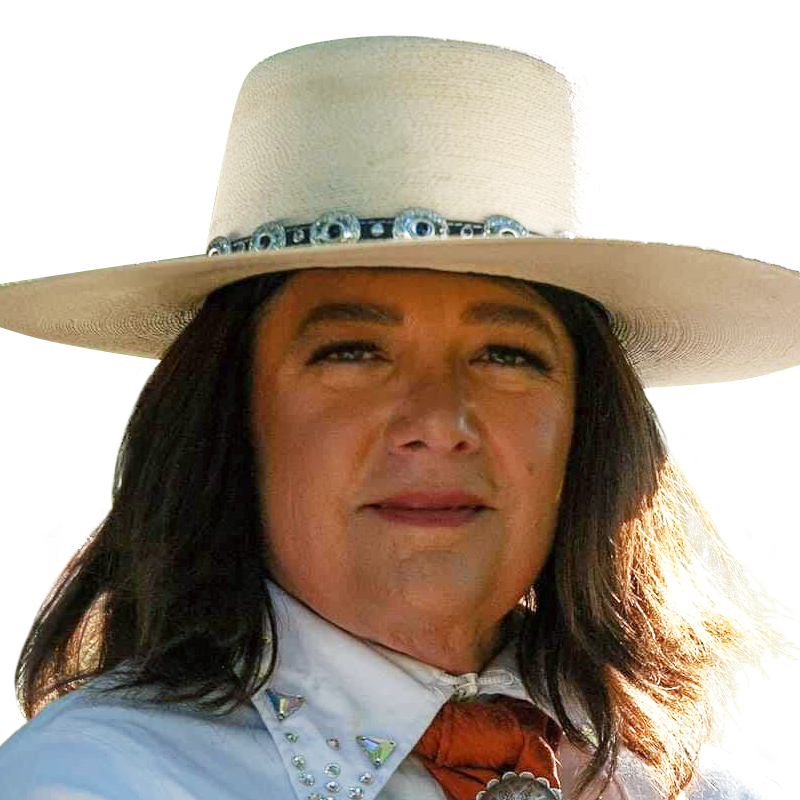
Long before she became chair of the Northern Chumash Tribe, Violet Sage Walker loved the ocean. She recalls formative experiences like a field trip to the Monterey Bay Aquarium, where she watched divers interact with sharks. Jacques Cousteau and Sylvia Earle were her childhood idols.
In 2013, her father, who was the tribe’s chair at the time, launched a campaign to establish a 4,500-square-mile marine sanctuary off the coast of Central California to protect the Chumash cultural landscape. “Our culture is intertwined with the ocean,” Walker said. “We consider the animals and marine life our relatives and have stories going back thousands and thousands of years.”
A central aim behind the effort was to shield the coastline from oil production. But the sanctuary would also protect endangered species like sea otters and aquatic plants like kelp.
When her father died in 2021, Walker was committed to carrying the torch — and succeeded him as chair. In the last few years, she ramped up fundraising for the sanctuary and secured support from local, civic, and national organizations. “We got into one of the biggest marine protected area campaigns that the United States has ever seen,” she said.
Last year, Walker and her tribe prevailed: President Joe Biden officially designated the Chumash Heritage National Marine Sanctuary — the third largest in the country, and the first marine sanctuary to be tribal-led. Now that the protection has been won, more than a decade after her father started the initiative, Walker is eager to focus on what comes next: stewarding the area for future generations. Her tribe has also been looking to purchase a nearby beach that has been private for hundreds of years, Walker said. “I want to be the one helping teach science and education to students,” she said. “I want to be the one opening up the beaches and public access to the ocean.”
Grace Wickerson

Grace Wickerson is kept up at night by a troubling fact: “America’s heating up and we’re deeply unprepared.” For example, they said, “There’s no concrete planning process for what we’re going to do if a heat wave hits during a blackout” — a scenario in which hundreds could die. For more than two years, Wickerson has been hard at work corralling scientists and policymakers to patch the terrifying gaps in the government’s plans for how to address extreme heat.
Wickerson works at the nonprofit Federation of American Scientists, where they focus on policy solutions in what they call “the climate-and-health nexus.” When Wickerson recognized that there wasn’t an overarching federal plan for how to prepare for and respond to extreme heat, they recruited dozens of heat experts from academia, government, nonprofits, and the private sector to come together “in a collaborative, accelerator-style workshop that generated over 100 different policy recommendations” for specific federal agencies and offices.
They then pulled all that together into an Extreme Heat Policy Sprint, published in 2024, which set the groundwork for a 2025 Heat Policy Agenda signed by more than 70 health and environmental organizations. Since then, the second Trump administration has forced federal agencies to abandon their climate policy efforts — but that hasn’t stopped Wickerson from finding new solutions. Their focus has just moved to implementing similar policies on a more local scale. “While the federal government stepping back is going to impact the work, there are more and more states and local governments and counties and tribes that realize that they have to keep going because people’s lives and their communities are at stake,” Wickerson said. “And so we’re going to continue to do the work.”
Dan Zhu

Growing up in a flood-prone region in China, Dan Zhu always knew she wanted to help rebuild cities to be safer and more sustainable. When she moved to Gainesville, Florida, in 2010, she paved a career path doing just that.
Zhu became Gainesville’s chief climate officer in 2023 — the first to hold the position — and started off with no budget. She had to borrow supplies as simple as a pen or paper from other offices. But Zhu worked hard to develop an ambitious climate action blueprint for the city.
She spent two years getting buy-in from community members, including other government officials, businesses, and residents ranging from 2 to 97 years old. She also engaged with the unhoused community, many of whom made consistent appearances at her town halls. Last year, Zhu’s title changed to chief resilience officer during a state legislative session, because leaders found that “resilience” resonated more than “climate” with many Floridians.
Early this year, under Zhu’s leadership, the city approved its first resiliency plan — a major milestone in a state that has erased all climate change references not only from state laws but also textbooks. And in July, Gainesville officially earned the Leadership in Energy and Environmental Design (LEED) Gold City stamp, the highest level of environmental sustainability certification from the U.S. Green Building Council.
“One of the most fun things for my job is turning obstacles into opportunities. Regardless of where you are located, you will always hear some objections,” Zhu said. “Building trust is important, and we have been doing a lot. Pretty much every week, we have some different levels of community engagement — it’s a big part of our resiliency plan.”

Robert Blake
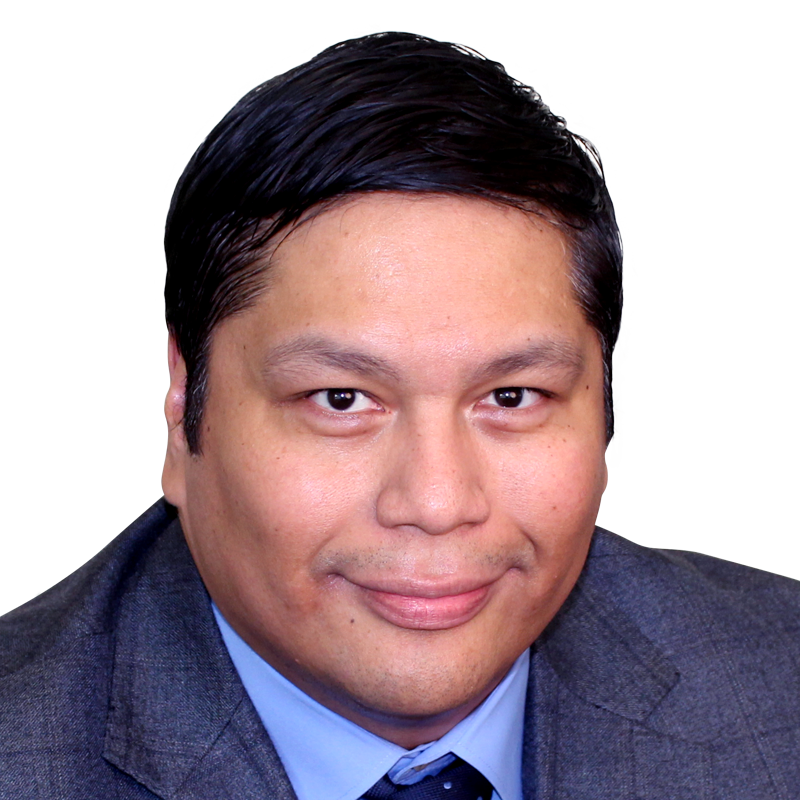
Robert Blake’s professional passion began with a dream in which a bear asked him to join the fight to save the planet. Blake was dealing with the loss of his brother, and had become a surrogate parent to his nieces and nephews. “I thought to myself, ‘I’ll do them a solid. I’ll fight climate change for them. I’ll leave them a better place,’” said Blake, who is a member of the Red Lake Nation in northern Minnesota.
That ultimately led Blake to pursue a master’s degree in advocacy and political leadership — and to launch a solar development company, Solar Bear, which aims to energize tribal nations to combat climate change. The company works on projects on and off Red Lake Nation, including a recently completed solar array on the roof of a nonprofit in Minneapolis that serves Native youth.
But Blake isn’t just an entrepreneur. He has a vision to fully electrify his tribe, and help other Midwest tribal communities embrace and benefit from the clean energy transition. As an advocate, he has gone to Minnesota’s capital to speak against bills that threaten the renewable energy sector, served on several environmental and energy boards, and rallied to bring green steel to the state. He also leads the nonprofit Native Sun Community Power Development, focusing on clean energy workforce training, education, and cultural programs for tribal communities. One of these is Electric Nation, a program launched in 2021 to bring electric vehicles and charging stations to tribes across the Great Lakes region and the Dakotas.
To put it lightly, there’s a lot on his plate. “I’ll probably see myself at 75 years old and putting up a solar panel, flopping over in the middle of a field,” Blake said, laughing. “Trying to save the planet one solar panel at a time.”
Peter Godart

Peter Godart got his “childhood dream job” right out of college, at NASA’s Jet Propulsion Lab. But “the more I studied space, the more I realized just how rare and special it is that we evolved sentient life on this planet,” he said — and the more he felt called to do his part in the fight against climate change.
At NASA, Godart had been working on the problem of how to supply power to a lander intended to burrow through many kilometers of ice on one of Jupiter’s moons. He found a far-fetched-sounding solution: “We could actually use the aluminum that we use to make the spacecraft as the fuel itself.”
Godart realized using aluminum as a fuel could be a game-changer on Earth. Under certain chemical conditions, aluminum, the most abundant metal on Earth, can react with water to produce hydrogen and heat. With the right catalyst, Godart thought, aluminum could replace coal as the fuel for heavy industrial processes like steelmaking, which are notoriously difficult to decarbonize. So he left NASA to pursue a PhD at MIT, hoping to devise a process that could be deployed commercially.
Four years into his doctoral studies, he had a breakthrough in the lab and later launched a startup, Found Energy, which is now in the early stages of commercializing the aluminum technology. This year, the company is set to deploy a pilot project in which an industrial client will generate a modest portion of its power needs using the aluminum scrap metal waste it generates.
Godart sees recycling aluminum scrap for power as the “low-hanging fruit” that will demonstrate the feasibility of aluminum as a fuel in the short term, but he has much bigger dreams: “Eventually we’ll start making aluminum for the purpose of energy transportation. That’s really the ultimate vision.”
Erik Hatlestad
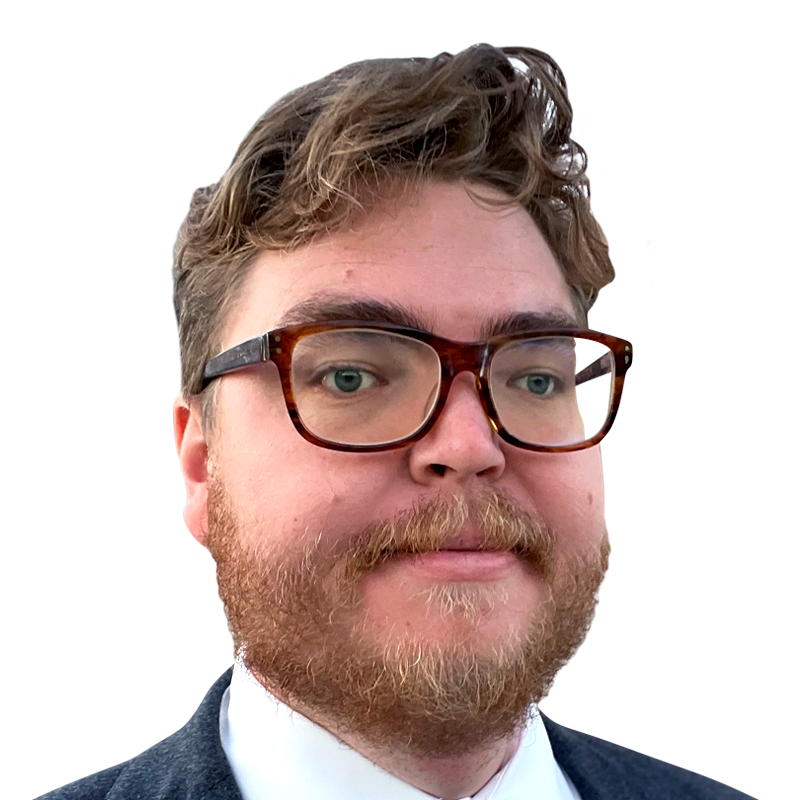
Erik Hatlestad describes himself as “an overly involved rural resident.” He’s the fifth generation on his family’s farm in western Minnesota. A little over a year ago, he opened a cooperative grocery store in his small town. He’s county president of a farmers’ union, and he’s also on the boards of his church and a community theater.
Working with an organization called CURE since 2013, Hatlestad also started getting involved in cleaning up Minnesota’s environment. “That brought us into the world of climate, of clean energy, and thinking about how rural utilities play a role in that,” he said.
In many rural communities, especially in the Midwest, utilities are structured as cooperatives, owned and governed by their customers. Because they can’t do share buybacks or leverage municipal bonds, cooperatives have had a much harder time finding funds to replace coal power plants with renewables.
Hatlestad co-founded a coalition that floated the idea that the federal government should invest $100 billion in electrifying rural America. “Much to our surprise, we got a lot of traction,” Hatlestad said. He helped create and implement two programs — Empowering Rural America and Powering Affordable Clean Energy — in Biden’s landmark climate law, the Inflation Reduction Act. (Unlike other clean energy provisions in the IRA, neither of those programs was targeted in the “One Big Beautiful Bill” that Donald Trump signed into law.)
Together, the programs represent the largest single investment in the history of rural electrification in the U.S., with money flowing to cooperative utilities to switch to renewables. Funds from the Empowering Rural America program have been awarded based on the ambitions of a given cooperative. “It was really, really exciting to see that so many cooperatives were excited and voluntarily willing to enter a competition to see who could reduce the most greenhouse gas emissions — if they had the money to do so,” Hatlestad said.
Charles Hua
Americans of all political stripes are distressed by their rising utility bills and believe the government isn’t doing enough to address energy affordability. What they don’t know — and what Charles Hua wants to tell them — is that the power to do something about it largely rests in the hands of the 200-odd regulators who sit on state utility commissions across the U.S.
Hua got his start in energy advocacy as a teenager, when he organized an effort to install solar panels on the roof of his high school in Madison, Wisconsin. “We initially met with resistance from the school district, as well as the utility company, who didn’t think that a bunch of kids were serious about constructing a solar project,” he said. “But we ended up getting their buy-in, we raised $150,000, and we got the solar panels installed. That was when I first learned about what a public service commission was.”
As Hua learned, those commissions — little-known state-level bodies of three to seven officials, sometimes elected, sometimes not — together oversee $200 billion in utility spending, and they have tremendous power over whether and how clean energy is deployed. And, today, they’re confronting a pivotal juncture: As a data center boom is increasing electricity demand for the first time in decades, the country’s decarbonization plans are in jeopardy. If regulators don’t step in, ordinary people get stuck footing the bill for expensive new power plants.
It was against this backdrop that Hua founded the nonprofit PowerLines, to bring attention to utility regulation. Through the widespread media attention the organization has garnered in its first year, “I think we’ve fundamentally reshaped the conversation around the role that state public utility commissions play,” he said. And the group has sought to engage more directly with the commissions themselves, notably by creating a utility commission jobs board, which more than 5,000 energy professionals have used to look for work.
Burcin Ikiz
A few years back, neuroscientist Burcin Ikiz had a “climate awakening.” The oldest of her three children, who was in kindergarten at the time, came home and asked her about climate change. “I realized it really affected him,” Ikiz said. “It really scared him, the facts he heard.” So she emphasized that he wasn’t helpless, that there was plenty he could do to help protect the nature and wildlife he held dear.
But the conversation also got Ikiz thinking. She researches how environmental factors influence the human brain, but was surprised to find that little work had been done to meld climate change and neuroscience. So in 2023, Ikiz launched EcoNeuro, a working group of researchers, physicians, and policymakers in 45 countries (and counting). Their goal is to expand research on how things like air pollution, malnutrition, and extreme heat impact neurological and mental health — and also get this data into the hands of decision-makers and community advocates.
Consider an unrelenting heat wave, which can put tremendous strain on a person’s physical health, exacerbating conditions like asthma and heart disease. That heat also hinders cognition, meaning children struggle to learn in school and adults may experience increased aggression. Hot nights also disrupt sleep, causing still more cognitive problems.
With EcoNeuro, Ikiz is moving toward a more holistic understanding of how climate change affects both the mind and body, through efforts like partnering with the World Health Organization to develop a training toolkit for health care workers to understand the dangers of air pollution. “A healthy brain is not possible if the body it resides in is not healthy, and a healthy body is not possible if the environment that it’s in is not healthy,” Ikiz said. “Things that will help our planetary health eventually will help our brain health as well.”
Ufuoma Ovienmhada

On the day Ufuoma Ovienmhada graduated from her master’s degree program at MIT, protests broke out around the country in response to the police murder of George Floyd. Ufuoma skipped her virtual commencement and began organizing, hosting teach-ins and focus groups about policing on campus. As a student, Ovienmhada had applied remote sensing and geospatial data science to promote sustainable development in Benin. But through her postgrad advocacy, she saw the urgency of working on injustices at home — and how she could apply her geospatial studies to these problems.
People who are incarcerated often experience environmental risks, like extreme heat, Superfund site contamination, hurricanes, and other natural disasters. Yet many prisons have few or no evacuation protocols or other procedures to address those issues, leaving people trapped and vulnerable. “This is a spatial justice problem,” she realized.
In the years since, Ovienmhada has worked on the intersection between prisons and environmental injustice as a geospatial data scientist at MIT and the University of Arizona. Last year, she and her longtime collaborator Fight Toxic Prisons, a grassroots organizing network, launched the Toxic Prisons Mapping Project, a tool that provides real-time and historical data on hurricane forecasts, wildfires, and other hazards impacting carceral facilities. In May, the MacArthur Justice Center leaned on data from the mapping tool to launch a class action lawsuit against the Algoa Correctional Center in Missouri for its punishing extreme heat conditions, also working with Ovienmhada as an expert witness.
Ovienmhada hopes to continue supporting similar efforts to push for solutions to toxic prisons. “My long-term goal is that this environmental data be used as just a piece of the puzzle to highlight the inadequacy of the prison system as a whole and help point us toward alternatives.”
Dominique Pride

Keeping homes warm in Alaska comes at a steep price for many residents. The state has the highest per capita energy costs nationwide, with its most remote communities facing some of the highest energy burdens (the percentage of household income spent on energy).
Dominique Pride, a research associate professor of economics at the Alaska Center for Energy and Power, set out to address these inequities — and the climate and health impacts they create. In Fairbanks, where Pride is based, most people heat their homes with fuel oil and supplement by burning wood. The city’s bowl-shaped topography means that fine particulate matter from these fuels easily accumulates, harming both the environment and residents’ lungs.
“I’m an economist, and so I usually look at things from a cost perspective first,” said Pride. Her research focuses on pathways for switching to cheaper, more energy-efficient fuels and weatherizing homes to cut costs.
Recently, she and her team installed electric thermal storage heaters in 10 households in a small city near Fairbanks called North Pole, Alaska, to study how they can simultaneously reduce heating costs and improve air quality. While those are the immediate focus areas, the ultimate goal is to get these grid-powered heaters to draw on excess renewable energy like wind — which, in some Alaska communities, is at times generated at a rate higher than the load demand — turning an otherwise wasted supply into a clean, cost-saving power source for homeowners.
Pride hoped to get more residents to join the study but noted that the area’s energy landscape has become intensely politicized. “I think they thought we were trying to take their woodstoves away, which we were not,” she said. Still, she’s hopeful her research will help both locals and utilities see how adding renewables to the energy mix could be “a win-win.”
Kimberly Terrell
When communities living in the shadow of petrochemical facilities raise concerns about their health and well-being, they’re often ignored. Residents may point to higher rates of cancer or asthma in their neighborhoods. They may claim that facilities release plumes of toxic chemicals under the cover of darkness. But industry and those aligned with fossil fuel interests often dismiss these concerns as anecdotal. Kimberly Terrell is on a mission to change that.
Until recently, Terrell was a research scientist and the director of community engagement at Tulane University’s Environmental Law Clinic in New Orleans. There, she led peer-reviewed research on the public health and economic effects of the petrochemical industry on the predominantly Black communities that live in southeast Louisiana. Her research documented elevated cancer rates and lower birthweights among communities exposed to toxic air pollution. Most recently, she found that people of color are underrepresented in high-paying petrochemical industry jobs even when controlling for racial disparities in educational access. It was a concern that aligned with the experience of residents.
“Community members felt really validated by the fact that, for the first time, there was scientific information,” said Terrell.
But the research came with professional consequences for Terrell. After that study was released, leaders at Tulane’s law school — facing pressure from donors and elected officials — placed her under a gag order, requiring that she seek approval to speak with members of the media or otherwise disseminate information related to her research. Terrell resigned from her position in June and has since joined the Environmental Integrity Project, a nonprofit group founded by former EPA officials, where she’s continuing to pursue her research.
“The only thing I know for sure is that I want to continue doing this type of work in Louisiana,” she said.
Matt Traldi

Matt Traldi had spent two decades in politics in social justice organizing — including as the cofounder of Indivisible, a grassroots group formed in the wake of Donald Trump’s 2016 election. When he decided to home in on climate, Traldi wanted to focus on a crucial but often overlooked facet of the energy transition. He set to work trying to address the biggest bottleneck in renewable energy deployment: local permitting processes.
Although 78 percent of Americans are in favor of building more solar power and 72 percent are pro-wind, local hearings on clean energy development tend to bring out the opponents of emerging technologies more than their supporters. Traldi founded Greenlight America in 2023 to give a voice to this silent, pro-renewable majority that was being overrun on a local level. Greenlight uses data to identify inflection points in permitting battles around the country and mobilize supporters.
That mobilization helped turn the tide in Erie County, Pennsylvania, last summer. Solar development was facing hurdles before projects could even reach the permitting stage. Greenlight worked with local partner organizations to contact solar supporters, who then testified at a hearing and succeeded in unblocking the projects. In 2024, Traldi estimates that the organization’s efforts helped advance 4.4 gigawatts of clean energy that will prevent 2 million tons of emissions annually. He hopes to triple that number this coming year.
Even as the Trump administration advances an aggressive campaign against renewable energy, local governments often have more power over these projects than the feds do, Traldi said. “I believe the next few years are going to be record-breakers for clean energy deployment.”
Nicole Yamase

For Nicole Yamase, protecting the ocean isn’t just her job — it’s her birthright.
Yamase, who is Indigenous to the Pacific island of Pohnpei in the Federated States of Micronesia, or FSM, is a member of the Dipwinwai clan. Her clan’s eni, their family guardian, is the nohno en sansed: the stingray, also translated as the mother of the ocean.
“I’m very honored to inherit Dipwinwai from my mom, my grandmother, and my great-great-grandmothers before them,” she said. “A lot of my identity and responsibility comes from my cultural heritage.”
As a high schooler in Chuuk State, she watched abandoned boats leach oil into the ocean and saw the coral reef whiten. “I thought, how do I help?”
For Yamase, the answer was studying to become the first citizen from the FSM to receive a PhD in marine biology. She also became the first Pacific Islander to visit the bottom of the Mariana Trench, the deepest point of the ocean.
“This is the home of my ancestors,” Yamase said. “If I want to save the world, I have to save the ocean.”
Now, she works in Honolulu at OneReef, a nonprofit dedicated to supporting Pacific island communities in protecting their reefs. Yamase seeks to support Indigenous Pacific peoples with technology and education to complement their traditional knowledge, such as by training local officials in Yap State on the latest reef imaging techniques. She also pushes her fellow researchers to avoid extractive practices and the pitfalls of “parachute science.”
It’s not always easy — in Hawaiʻi, Micronesian people like Yamase face persistent racism and entrenched educational disparities, another problem Yamase is dedicated to changing. “We’re amazing in that we come from this culture that can lead the world in these global issues,” she said. “We can and should be a leader in the oceans.”
Credits
- PROJECT DIRECTOR
- Jess Stahl
- PROJECT EDITOR
- Claire Elise Thompson
- REPORTERS
- Frida Garza, Anita Hofschneider, Ayurella Horn-Muller, Akielly Hu, Sophie Hurwitz, Rebecca McCarthy, Gautama Mehta, Rachel Ramirez, Tik Root, Naveena Sadasivam, Matt Simon, Miacel Spotted Elk, Zoya Teirstein, Joseph Winters, Kate Yoder
- FACT CHECKER
- Angely Mercado
- RESEARCH
- Siri Chilukuri, Angely Mercado
- COPY EDITORS
- Jaime Buerger, Joseph Winters, Kate Yoder
- ADDITIONAL CONTRIBUTIONS
- Clayton Aldern, Matthew McKnight, Jesse Nichols
- ART DIRECTION
- Mia Torres, Teresa Chin
- ILLUSTRATOR
- Kaitlin Brito
- SITE DEVELOPMENT
- Michael Weslander
- BUSINESS DEVELOPMENT
- Brian Troyer
- AUDIENCE, MEMBERSHIP, AND DISTRIBUTION
- Jess Alvarado-Lepine, Jeff Giza-Martin, Mignon Khargie, Megan Merrigan, Tory Stephens
- EVENTS
- Lisa Jurras-Buchanan, Rachel Bouton