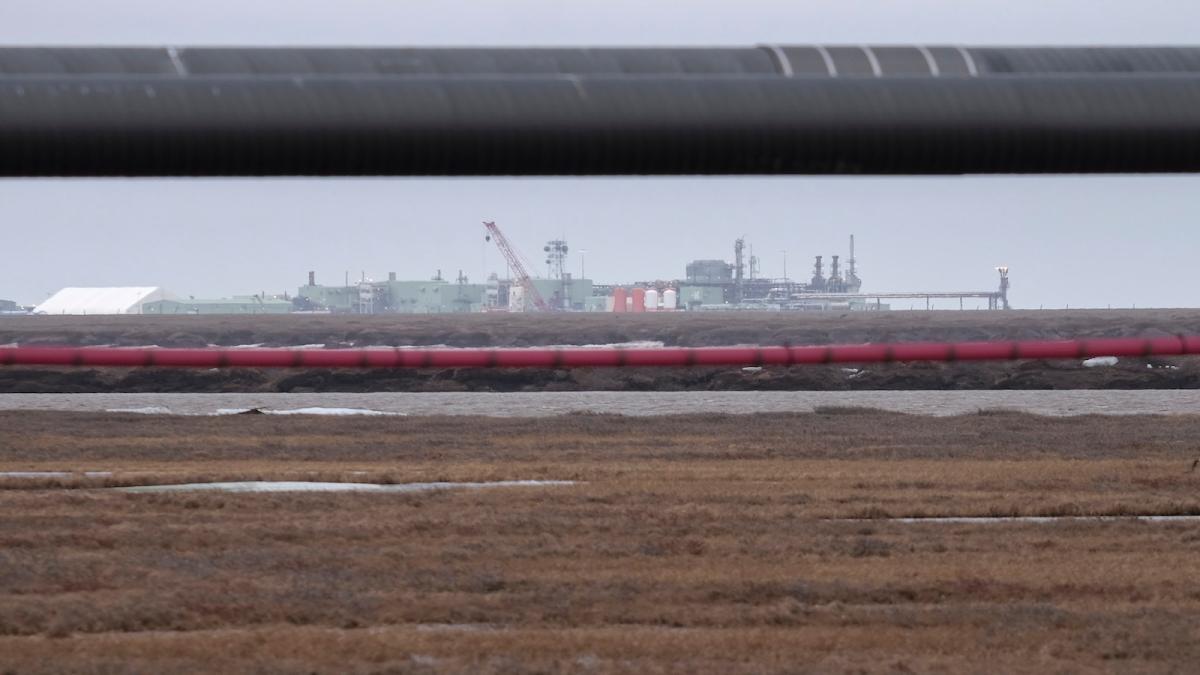
In 2023, when Rosemary Ahtuangaruak, Iñupiaq, was mayor of Nuiqsut, a federally recognized village of 500 residents on Alaska’s North Slope Borough, a gas leak from a nearby oil operation left her community waiting for answers.
“It was only 8 miles from our village. We watched industry evacuate their personnel on ice roads in front of our community while we were left waiting for information about what was going on,” she said. “It was very concerning that through all the efforts we had put forward, we still couldn’t protect our community from the effects of what was happening.”
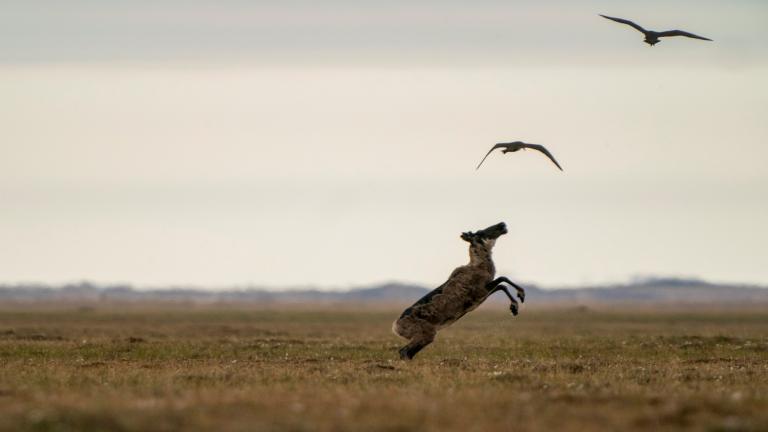
Nuiqsut sits 4 miles from the boundary of the National Petroleum Reserve in Alaska, known as the NPR-A, and the standoff between oil development and local Indigenous communities has ebbed and flowed over the years.
During Ahtuangaruak’s tenure as mayor in 2023, the Biden administration approved the Willow Project, a ConocoPhillips oil production project that Ahtu... Read more