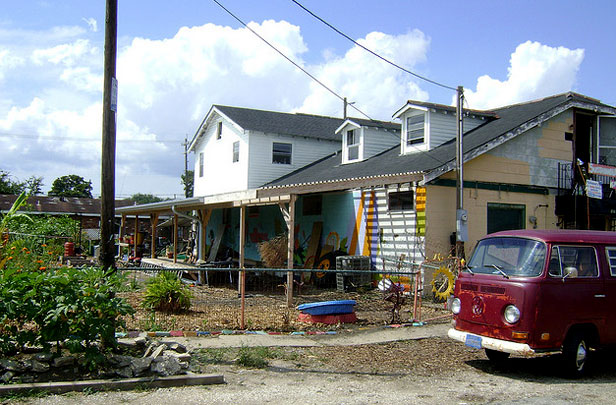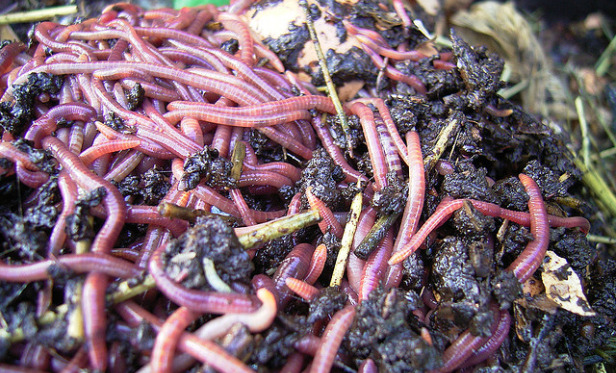
Elle_AnnA well-taken care of worm bin can evade even the most sensitive, persistent noses.
As Tom Philpott wrote in the introductory essay to Grist’s Feeding the City series, urban agriculture took a huge hit once combustible-fuel machines replaced horses — and horse manure — as the vehicle of choice in cities. Farms need fertilizer, and it’s more efficient to grow where the sources of it live and poop.
However, every day city dwellers throw away huge amounts of organic matter that could be turned into that precious material — through composting. Yard trimmings and food scraps make up 26 percent of U.S. waste, and once this organic matter hits the landfill, it breaks down slowly due to lack of air: your farmers-market tomato can produce methane, a deadly greenhouse gas, in a not-so-green afterlife.
If you’re going to all the trouble to eat locally grown, organic vegetables, it’s rather a shame to truck their remains away to landfill prison when you could be feeding them back to the earth.
So why aren’t you composting yet? Farmers have been doing it for centuries, and it’s finally catching on in cities around America, not just in environmentally correct Portland and San Francisco. So come on you trendy green urbanites with too many greens on your hands, let’s get started.
First, you need to know the basics. Composting is the process of accelerating the natural decay of organic matter. Decay, of course, will happen without you, but by controlling the process, you can reap the benefits: nutrient-rich soil fertilizer. In all the following methods, it’s important to get about a 50/50 mix of “green” and “brown” materials. The brown — woody matter like leaves, bark, paper, and sawdust — is high in carbon. Green matter — food scraps and coffee grounds — is high in nitrogren. A good balance of carbon and nitrogen makes the microbes’ and worms’ jobs easier, meaning a faster decaying process, less smells, and healthy, rich, dark-brown compost that’s damp, but not too wet — think wrung-out sponge.
Now that you have some basics, let’s look at the most common composting methods. Whether you live in a tiny apartment or a sprawling condo, there’s an easy way to break down your breaking-down organic matter!
Municipal composting
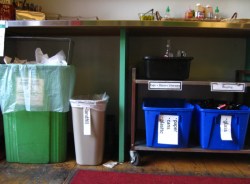
kenudigitPortland, the object of many a progressive city’s jealousy, breaks down waste effectively. Tellingly, the largest (green) bin is for compostables while the smallest (grey) bin heads to the landfill.
More than 90 U.S. cities and communities, from Dubuque to Seattle, offer municipal food-waste collection. The programs work much like recycling programs: Compost bins are picked up on a regular basis for a small monthly fee.
Composting is even mandatory in San Francisco! The city collects more than 500 tons of food waste a day and sends it to a processing facility, which turns it into compost and sells it to local farms and backyard gardeners. The green-bin pickup and recycling keep 75 percent of San Fran’s trash out of landfills, according to the Boston Globe.
The programs and items allowed in the bin vary, but since the compost processing plants can heat waste to a higher degree to break it down, you can compost many more items!
Check your program’s list of items allowed, but you can likely add these to the list of compostables:
- Meat (including bones)
- Soiled paper
- Compostable packaging (home compost bins don’t get hot enough to break down those plastic-looking plates made from corn, for example)
- Dairy
- Hair (yours or your pets’)
The facilities can even break down kitty litter and feces, but it’s not commonly accepted for fear of the parasite toxoplasmosis.
How to find a municipal composting program:
Compost pile
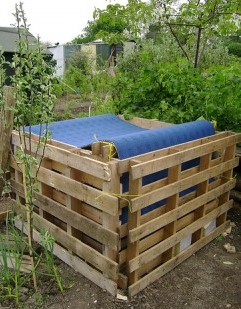
Compost piles are a low-maintenance option for city-dwellers with decent-sized yards. This option works best for homeowners or those who don’t plan to move within a year.
Because these techniques employ cold composting — matter is largely left alone so it never reaches a high temperature — the process will take some time and can get a bit stinky. These downsides can be countered by turning the pile or adding brown material to improve air flow and drainage.
You can literally just start tossing scraps into a pile of composting matter in a corner. Or you can make a compost bin with free wood pallets that you scavenge from your cities’ industrial area or the local Home Depot. This will help keep animals out and neighbors from complaining. Camouflaging your bin with flowers, that will appreciate their new nutrient rich home, is another way to dress up your compost and placate neighbors.
Tumblers
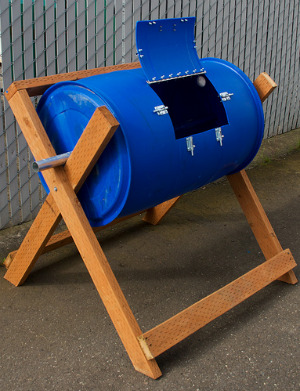
rr graphic designWhen it’s past its season — turn, turn, turn.
Tumblers are a medium-maintenance option for those with yards. By turning the compost regularly, more air mixes into the organic matter, which means faster composting time; the enclosed containers also mean less smell and fewer unwanted pests. But don’t buy tumbler sellers’ claims that they can produce workable compost in 14 days. It will likely be about 10 weeks.
And don’t buy a tumbler either — unless you’re lazy or terribly un-crafty. Tumblers are cheap and easy to make.
Worm bins
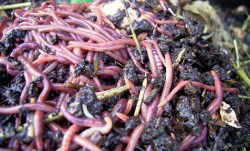
Worm bins are a great way to compost in the city. Bins are simple to make and fit easily in a small apartment. You’ll want to keep your bin inside as worms are sensitive to extreme temperatures. So long as bins are properly taken care of — adding only as much food than the worms can easily eat, cutting up or shredding food into small pieces, and keeping a good mix of brown and green matter, there’s no reason to fear smells.
What worms will happily devour:
- Breads, grains, and cereals
- Tea bags, coffee grounds, and filters
- Fruits
- Vegetables
What they turn up their wormy noses at:
- Dairy products (This is more a matter of your nose. Only creatures who like the smell of rotten milk will be swarming the bin.)
- Fatty or oily food (Same)
- Meat (Ditto)
- Feces (No, not even pets’ or babies’ — they’re worms, not idiots)
How to start one:
Compost crocks

LakelandThis could warm even the coldest anti-composting heart.
Compost crocks are handy countertop waystations for tossing your food scraps before you take them out to the compost pile. You can make your own (it just needs to be a small container with a lid and some air holes to prevent mold) or buy one of the many for sale. Some commercial versions like the one on the right come with odor neutralizers, which you won’t need as long as you empty the crock regularly.
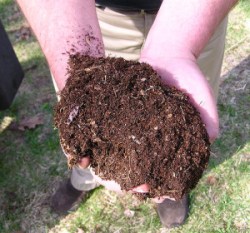
Happy anniversary, darlin’.
What to do with all that black gold
- Spread it in your garden! (Even plain old coffee grounds are great on raised beds.)
- Put it in a ice-cube tray, stick in a Popsicle stick, freeze it, and give it to a small child.
- Birthday present for that friend with the green thumb!
- Next time you’re invited to a potluck, bring some along — after all, you made it yourself!
- OK, OK. You caught me. I’m fresh to composting too! I don’t have a yard and my cat has never met a houseplant he didn’t find delicious. So, seasoned composters, please share your rich wisdom about making and sharing rich soil.
A message from
Your support keeps our climate news free.
Grist is the only award-winning newsroom focused on exploring equitable solutions to climate change. It’s vital reporting made entirely possible by loyal readers like you.
At Grist, we don’t believe in paywalls. Instead, we rely on our readers to pitch in what they can so that we can continue bringing you our solution-based climate news. Donate today to keep our site free. All donations DOUBLED for a limited time.