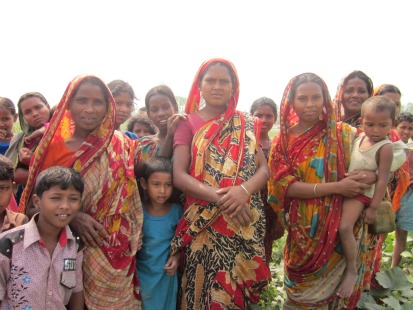
Women and their kids in Kunderpara, Bangladesh.The women of Kunderpara village are used to having water all around them. They live on an island in the middle of one of Bangladesh's many large rivers. The women are even used to the occasional seasonal flood. But lately when the river floods, it takes on new, terrifying meaning. The women do all they can to prepare, but more and more often the water comes without warning. When it comes, there is little to do but gather their children and climb up on raised beds, out of its reach. The water brings stress. …
Kathleen Mogelgaard's Posts
Population: Off the radar, not off the map
"The main driving forces of future greenhouse gas trajectories will continue to be demographic change, social and economic development, and the rate and direction of technological change," according to the Intergovernmental Panel on Climate Change's Special Report on Emissions Scenarios. Two of these drivers - development and technology - have been the focus of a great deal of discussion among the international community as they continue to work toward a new international climate change agreement in Bonn this week. The third, demographic change, has been conspicuously absent. Country delegations and NGOs have put forth numerous proposals to increase living standards …
Powerful injustice at the Bonn climate talks
It's the fourth day of climate negotiations here in Bonn, and at 4:30 in the afternoon, there is a lull in the action before the start of early evening "contact groups" - official meetings of negotiators that are sometimes open to observers. Looking for a quiet place to sit down with my laptop, I have landed in the main plenary hall, sitting in the seat with a placard that reads "GEF" (Global Environment Facility, the agency charged with managing a portion of funds for international adaptation efforts). Hopefully no one will mind my brief trespass. To my left sit a …
Climate change is sexist
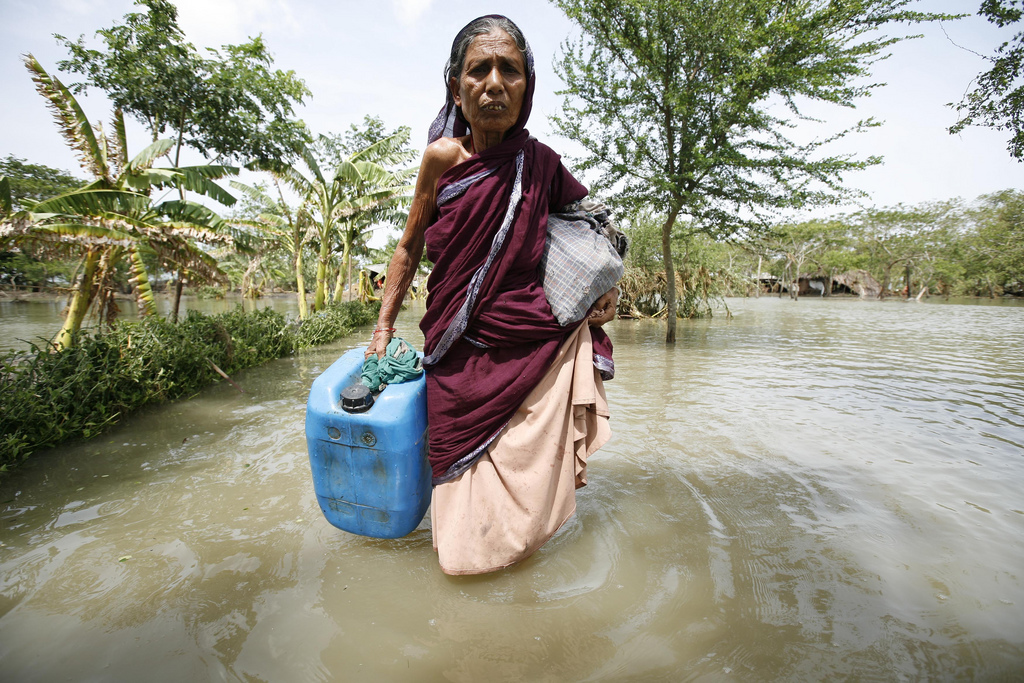
This is the second dispatch by Population Action International from global climate change talks in Bonn, Germany. Read the first. A Bangladeshi woman searches for drinking water after a cyclone.Photo: Abir Abdullah/OxfamOne of the under-reported issues about climate change is its dramatic affect on women. A side event I attended this afternoon, organized by the Global Gender and Climate Alliance (GGCA), included speakers from all around the world, representing men, women, government agencies, NGOs, North and South. But their messages were unified: women’s historic disadvantages -- limited access to resources, restricted rights, under-representation in decision making -- have made them …
First impressions from Bonn: climate change hurts the poor
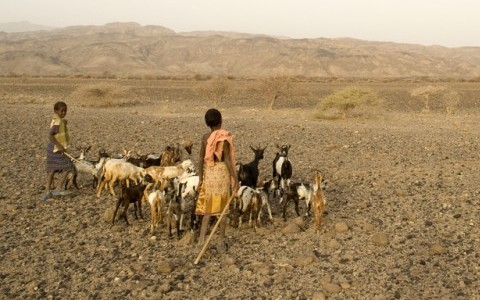
At the opening of the international climate change talks in Bonn, Germany, today, representatives from governments around the world shared their opinions on a newly released draft of a global climate treaty that will be debated and (perhaps) finalized when they meet again in Copenhagen in December. Children herd goats in drought-ridden Ethiopia, on land that was once rich pasture.Photo: Nick Danziger/OxfamWhile representatives of the industrialized world somewhat sheepishly offered up their countries’ meager progress in slowing the pace of their rampant growth in emissions, representatives from the developing world did their best to sound the alarm. “We need to …

Screwed by climate change: 10 cities that will be hardest hit
Gut punch: Is Monsanto destroying helpful bacteria in your belly?
Farmers return to pesticides as GMO corn loses bug resistance