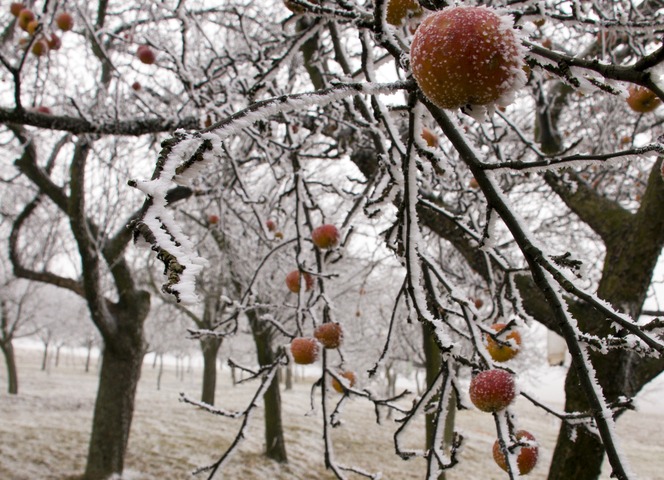
Think of your favorite fruits and you might think of the warm climates they tend to thrive in. Florida oranges, Texas grapefruit, California strawberries -- and grapes, figs, pears, and apricots. But here's the funny thing: Most fruit trees have to chill. Literally. Unless they’re tropical, trees have what are called "chilling requirements": They need winter temperatures to drop to within a certain range -- usually just above freezing -- and remain there for a set period of time.
This allows the buds to go into dormancy and tolerate harsh winter weather, and to reset themselves for the fruit production cycle to start again when spring comes around.
But what happens when they don’t go dormant because it doesn’t get cold enough outside? As you may or may not have noticed, perhaps depending on your age -- winters are getting warmer. If trees don't get sufficient chilling, they don't fruit. And as some researchers see it, the future of the planet's fruit and nut production is in peril. In fact, lack of chill time has already spelled trouble for U.S. farmers growing tree crops, including pistachios, walnuts, and cherries.
Insufficient cold makes for confused trees, says Eike Luedeling, a climate change scientist who has published studies on chilling requirements and fruit trees.
“You have the buds breaking irregularly and over a long time, so it's kind of staggered -- much longer than it should be -- and ultimately, it results in having a bad fruit set," he says.
Which crops will be affected, as weather patterns continue to change? For starters, Luedeling listed: apples, pears, cherries, walnuts and other tree nuts, pomegranates, and olives. But where exactly the list ends is hard to predict.

Screwed by climate change: 10 cities that will be hardest hit
Gut punch: Is Monsanto destroying helpful bacteria in your belly?
Farmers return to pesticides as GMO corn loses bug resistance 

Photo by
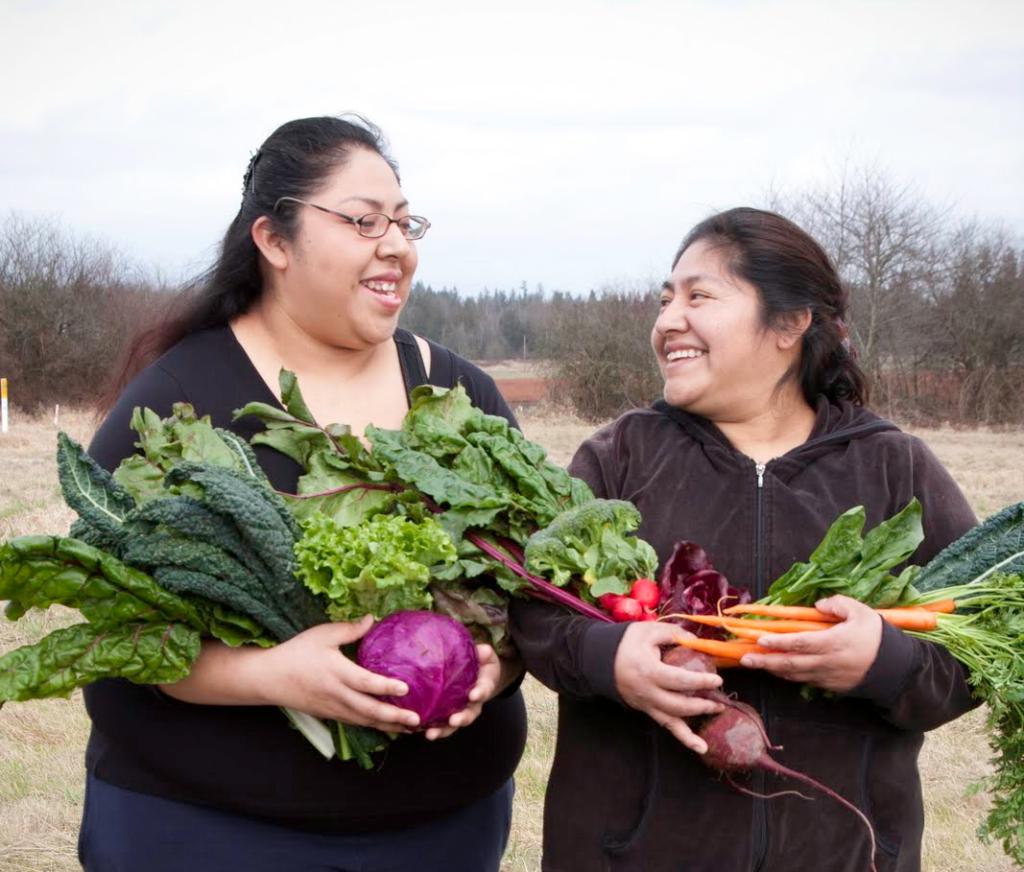
Nelida Martinez (right) with farm co-owner Lisette Flores. (Photo by Hilary McMullen.)
When Beth Terry saw a photo of an
This rice might look like the type farmers cultivate for food, but it's a weed. And as CO2 levels in the air rise, it might just take over. (Photo courtesy of
Think mergers are only for big corporations? Not so these days.
In most jobs, if you have to spend even part of your workday exerting yourself under the hot summer sun, you’re likely to have drinking water nearby. And, if you don't, you probably won't be penalized for going to find some. But for many farmworkers in California, the largest agricultural producer in the country, the freedom to hydrate isn’t always so straightforward.