Update: Turns out the original story on which this post is based is bunk. Check out an update direct from the EPA here:
CFLs are not a significant source of mercury, says EPA
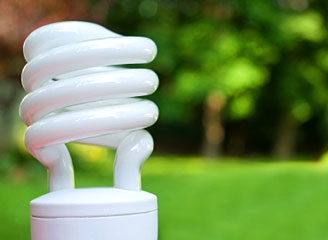
Every year, Americans recycle only 2 percent of the compact fluorescent light bulbs they toss an unknown proportion of the CFLs they toss. The unrecycled portion leads to the release of four tons a negligible amount of mercury into the environment annually. That’s almost 10 percent of the amount of mercury released by coal fired power plants, which are this country's No. 1 source of the fish-and-pregnant-woman-contaminating pollutant.
The problem is that unlike, say, automotive batteries, which are the world's most recycled object, there is no federal law commanding the American sheeple to do the right thing with respect to light bulbs. Hell, it's easier to recycle a cell phone than a CFL. (Probably because a lot of our recycled cell phones are re-purposed for sale in the developing world, and contain valuable metals. Capitalism!)
Fortunately, there are more places than ever to recycle your old CFLs. To figure out the easiest one, check out LampRecycle.org or just drop it off at your local Home Depot or IKEA.
A message from
Your support keeps our climate news free.
Grist is the only award-winning newsroom focused on exploring equitable solutions to climate change. It’s vital reporting made entirely possible by loyal readers like you.
At Grist, we don’t believe in paywalls. Instead, we rely on our readers to pitch in what they can so that we can continue bringing you our solution-based climate news. Donate today to keep our site free.