Across much of the U.S., people have little way to know when the air they breathe turns dangerous.
Over recent decades, federal funding for public air monitoring has declined, the number of monitors has fallen, and much of the remaining equipment is aging or located far from major polluters.
Now, the stakes are rising: Wildfire smoke is reaching more communities, data centers are adding pollution, and climate-driven heat waves are worsening ozone levels. The Trump administration, meanwhile, has delayed and rolled back requirements meant to hold companies accountable for their emissions.
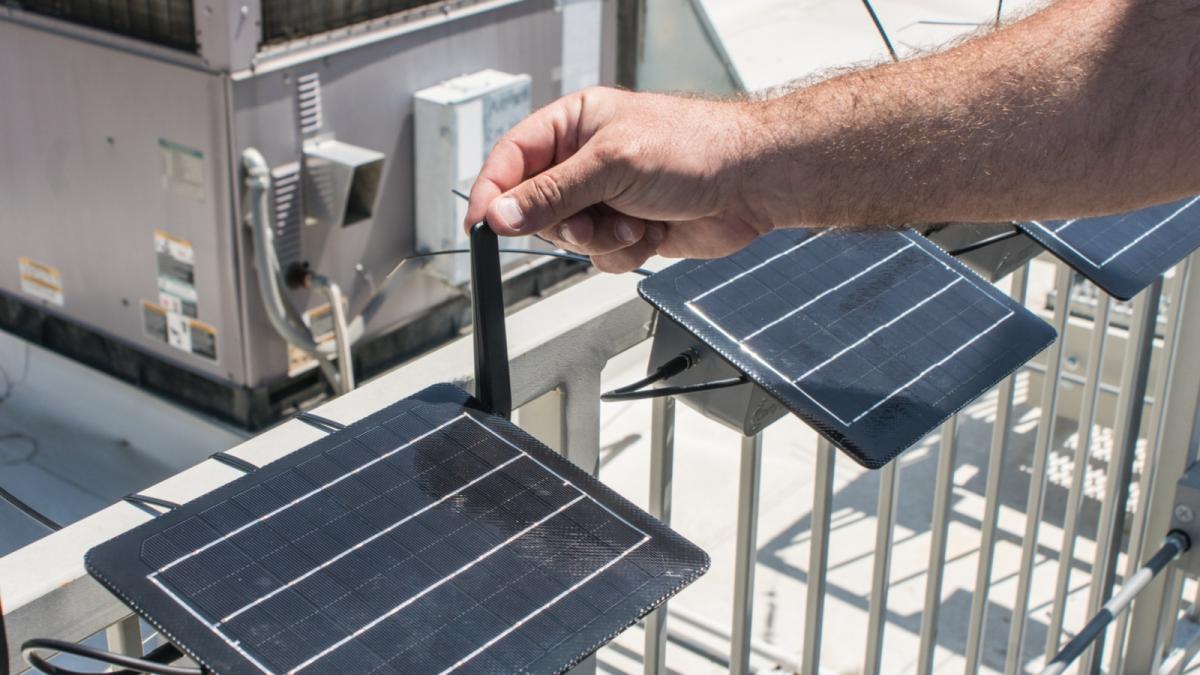
As the public monitoring system has weakened, communities have increasingly turned to an alternative: low-cost sensors they can use themselves.
But a Floodlight investigation finds industry is moving to restrict that option, too.
