This story was reported with support from the Pulitzer Center.
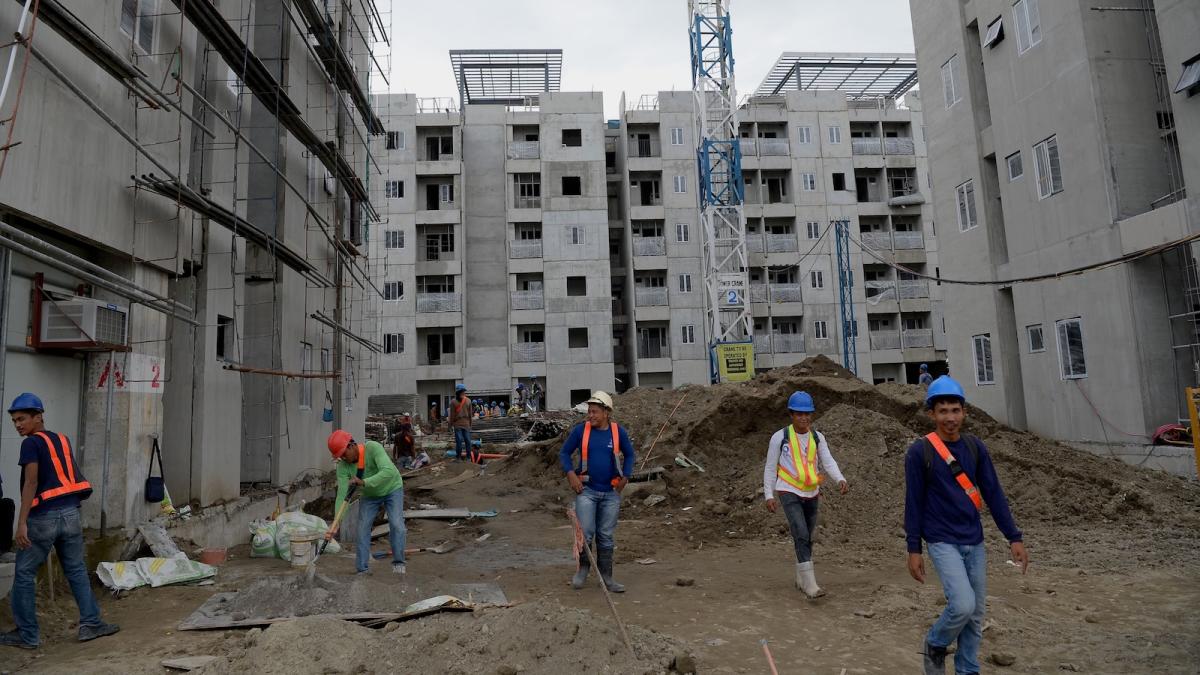
The highway approaching New Clark City is wide — four lanes each way in places — but carries little traffic. Newly installed streetlamps, powered by sunlight, dot the median. Construction equipment and recently finished buildings rise ahead, where the Philippine government is building a metropolis designed to withstand the threats of a hotter, less predictable world.
Once completed in 2065, this climate-resilient city, which has already attracted nearly $2.5 billion in investment, could teem with 1.2 million people and serve as a backup capital should Manila, about 70 miles to the south, be incapacitated by disaster.
Metropolitan Manila, one of the world’s most densely populated urban area, lies on a floodplain vulnerable to rising seas and violent typhoons. New Clark City, on the other hand, sits between two mountain ranges, land chosen for its ability to withstand e... Read more
