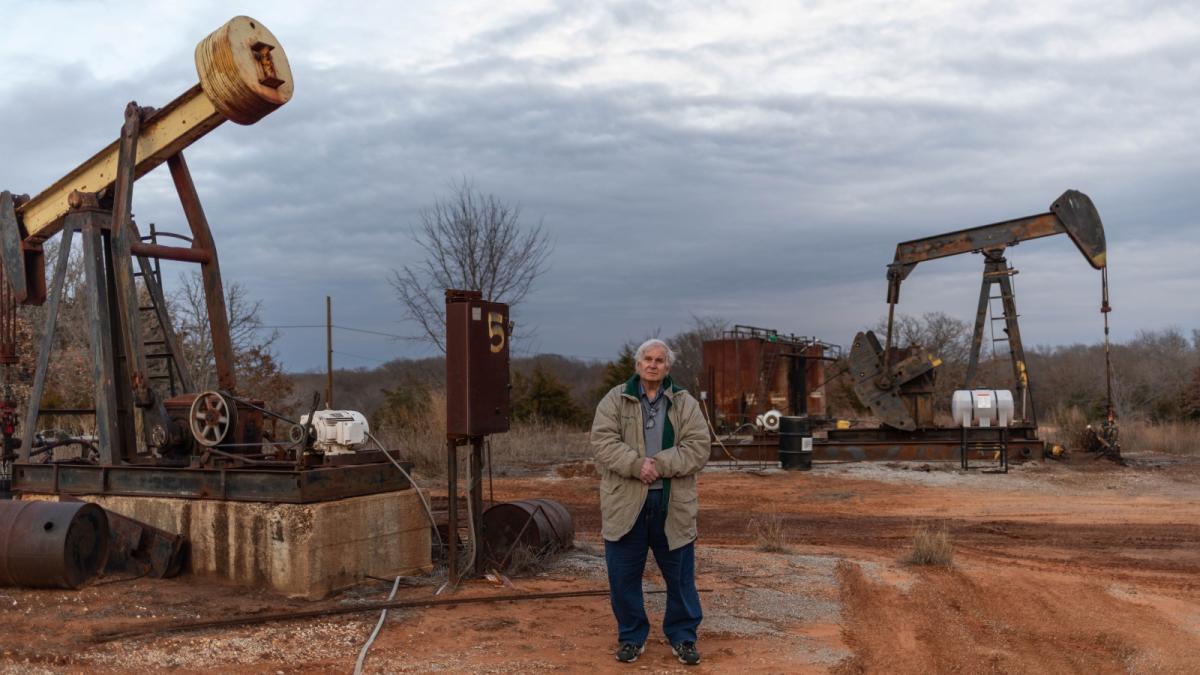
In January 2020, Danny Ray started a complicated job with the Oklahoma agency that regulates oil and gas. The petroleum engineer who’d spent more than 40 years in the oil fields had been hired to help address a spreading problem, one that state regulators did not fully understand.
The year prior, toxic water had poured out of the ground — thousands of gallons per day — for months near the small town of Kingfisher, spreading across acres of farmland, killing crops and trees.
Such pollution events were not new, but they were occurring with increasing frequency across the state. By the time Ray joined the Oklahoma Corporation Commission, the incidents had grown common enough to earn a nickname — purges.
When oil and gas are pumped from the ground, they come up with briny fluid called “produced water,” many times saltier than the sea and laden with chemicals, including some that cause cancer. Most of this toxic water is shot back underground using what are known as injection wells.
Read more
