Syndicated
-
Meet the women working to grow local food systems on U.S. island territories
On island territories, where most food is imported, achieving a level of food sovereignty is becoming more urgent due to climate change.
-
![]()
![]()
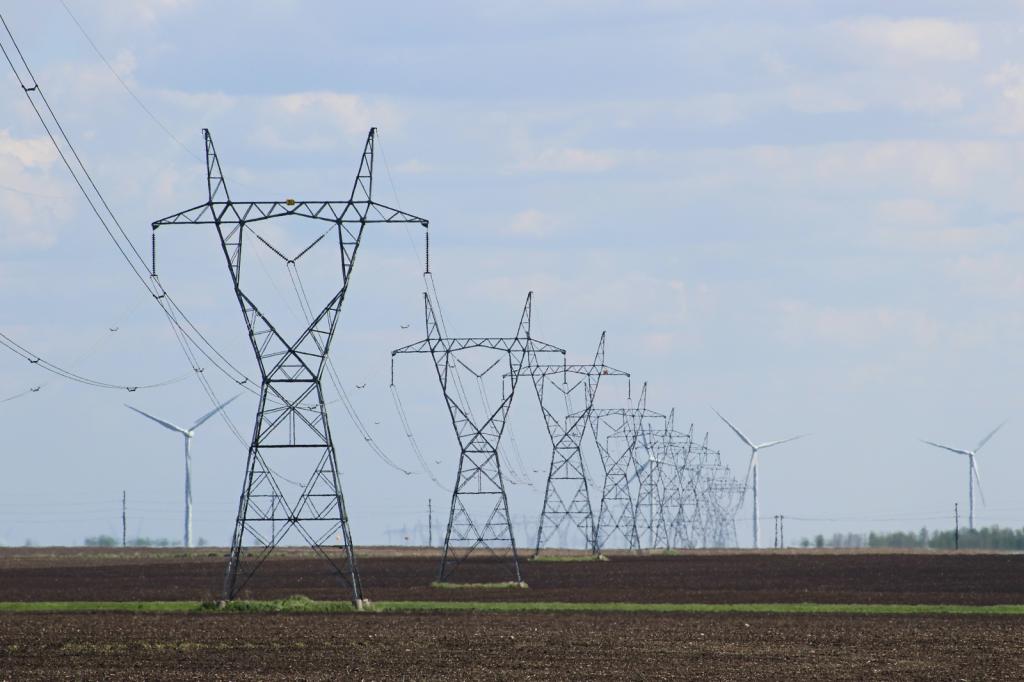
Frustrated by outdated grids, consumers are lobbying for control of their electricity
Climate change is spurring interest in remaking local infrastructure to accommodate renewable energy, minimize power failures, and expand consumer choice.
-
It will cost up to $21.5 billion to clean up California’s oil sites. The industry won’t make enough money to pay for it.
An expert used California regulators’ methodology to estimate the cost of cleaning up the state’s onshore oil and gas industry. The study found that cleanup costs will be triple the industry’s projected profits.
-
![]()
![]()
Rural electric co-ops to get nearly $11 billion in federal funds for clean energy grants, loans
The programs are meant to put rural electric cooperatives on equal footing with larger privately owned companies.
-
![A balding man in a checkered button-down shirt speaks empatically.]()
![A balding man in a checkered button-down shirt speaks empatically.]()
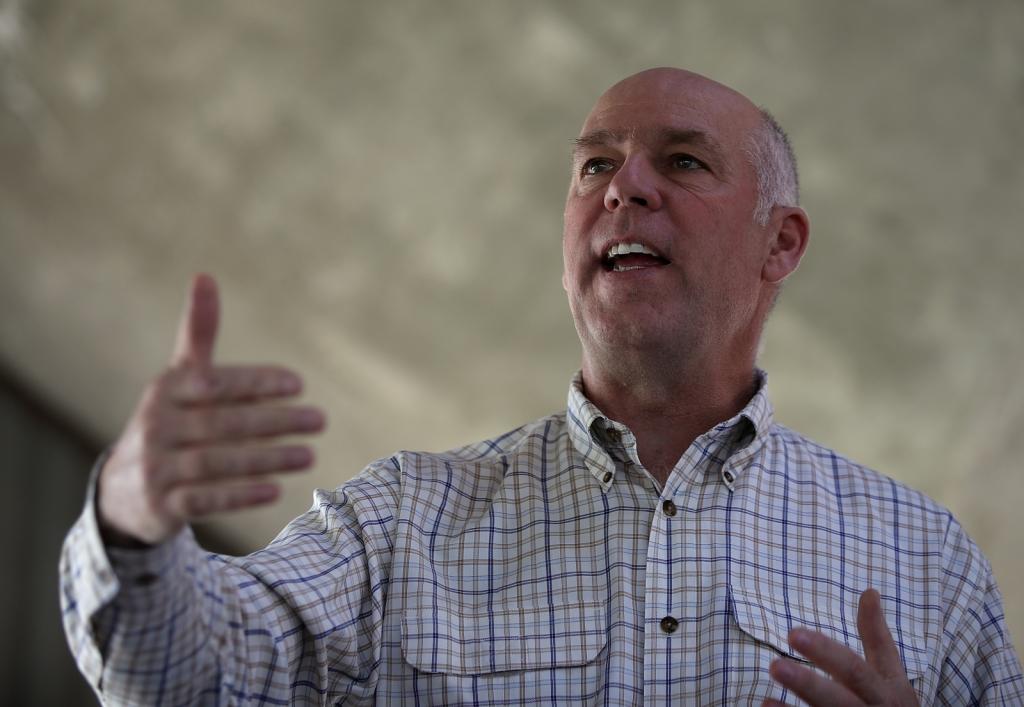
Montana’s new anti-climate law may be the most aggressive in the nation
The legislation, signed into law last week, is even more restrictive than North Carolina’s infamous 2012 law that prohibited policymakers from considering sea-level rise projections.
-
![Transmission tower]()
![Transmission tower]()
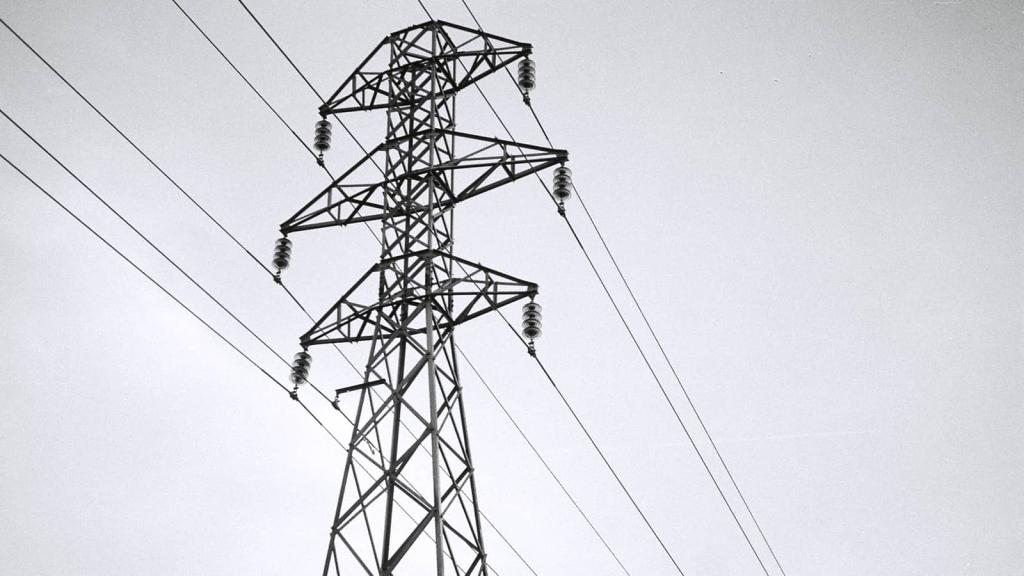
Income-based electric bills: The newest utility fight in California
A state law calling for utility bills to be based on household income could drive adoption of EVs and heat pumps — or punish rooftop solar and efficiency.
-
![A man stands on a hill under a cloudy sky as water pours from a pipe.]()
![A man stands on a hill under a cloudy sky as water pours from a pipe.]()
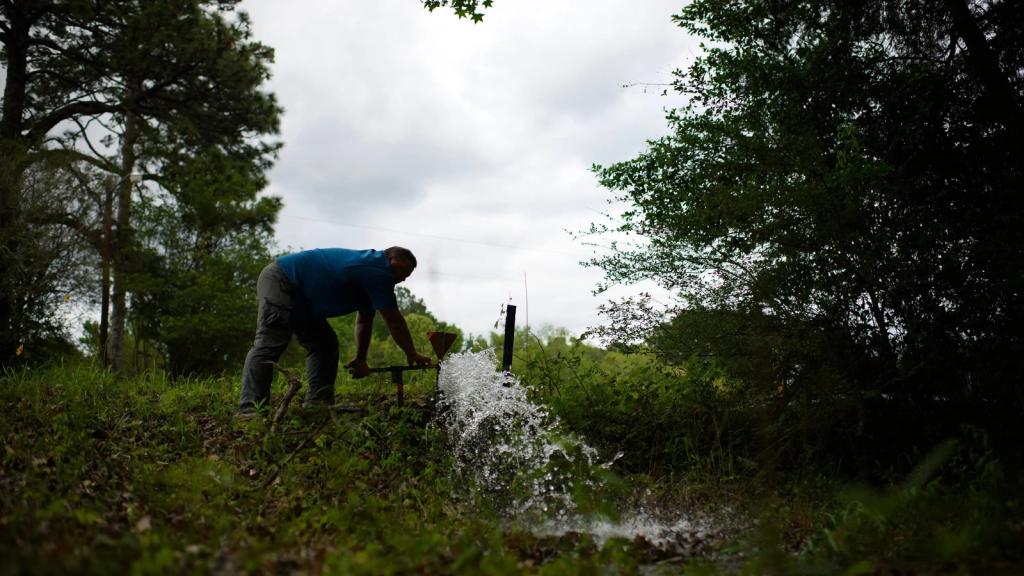
Texas’ water infrastructure is broken, jeopardizing quality and supply for a growing state
On a daily basis, water managers in cities across the state move from crisis to crisis hoping to keep the water flowing to residents.
-
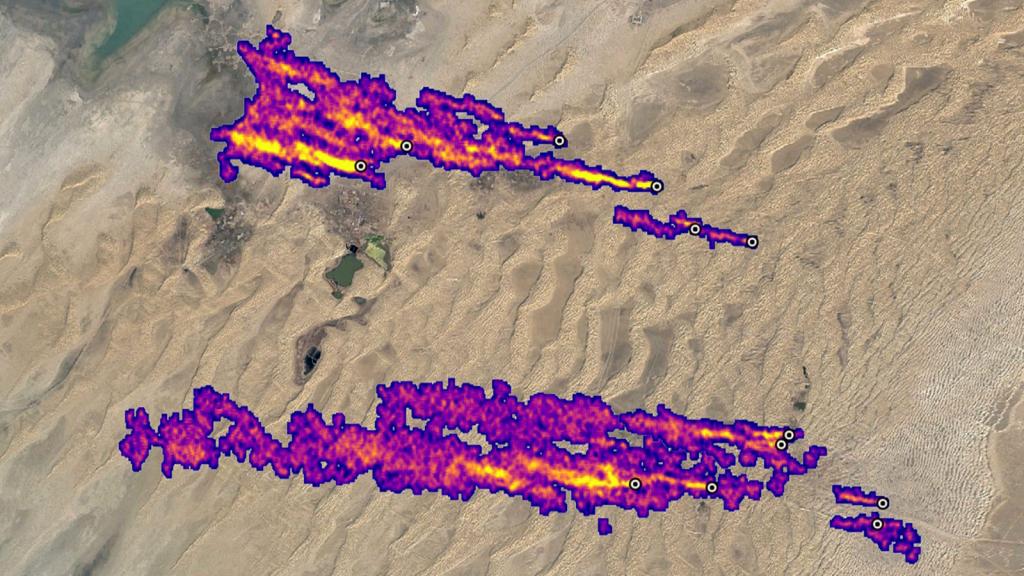
![East of Hazar, Turkmenistan, a port city on the Caspian Sea, 12 plumes of methane stream westward. The plumes were detected by NASA’s Earth Surface Mineral Dust Source Investigation mission and some of them stretch for more than 20 miles (32 kilometers)]()
![East of Hazar, Turkmenistan, a port city on the Caspian Sea, 12 plumes of methane stream westward. The plumes were detected by NASA’s Earth Surface Mineral Dust Source Investigation mission and some of them stretch for more than 20 miles (32 kilometers)]()
Turkmenistan’s ‘mind-boggling’ methane emissions revealed by satellite data
Experts say leaks of the potent greenhouse gas could be easily fixed, and would rapidly reduce global heating.
-
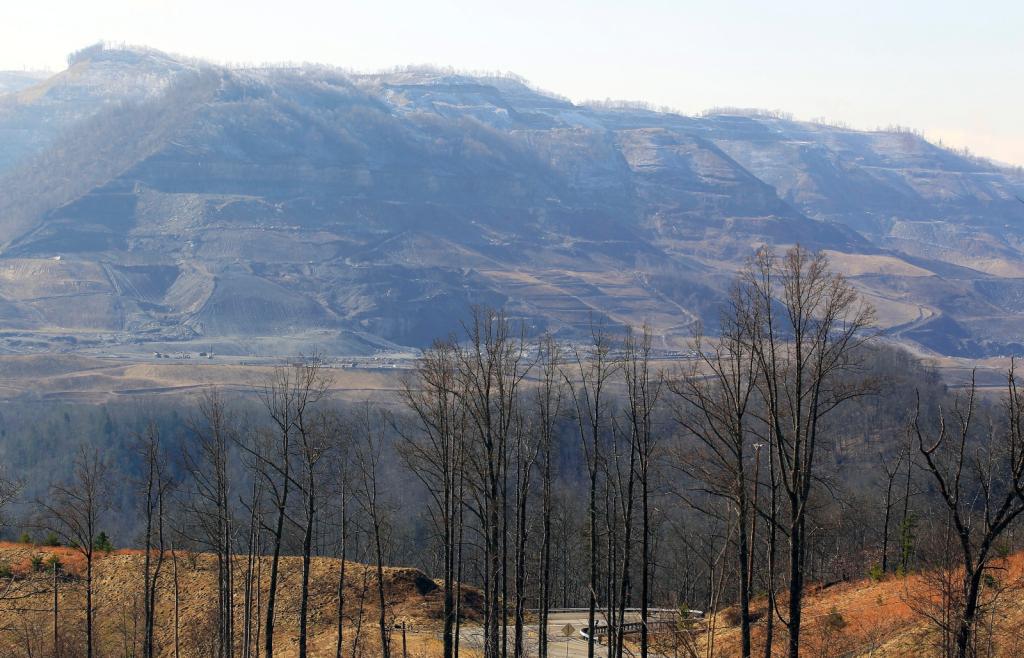
![The view of some sparse trees, a road, and a mountain gutted by coal mining.]()
![The view of some sparse trees, a road, and a mountain gutted by coal mining.]()
How bankruptcy helps the coal industry avoid environmental liability
Jeff Hoops built Blackjewel into the nation’s sixth largest coal company by acquiring bankrupt mines. When it declared bankruptcy, he pivoted to other ventures, leaving polluted streams and mud-shrouded roads in his wake.