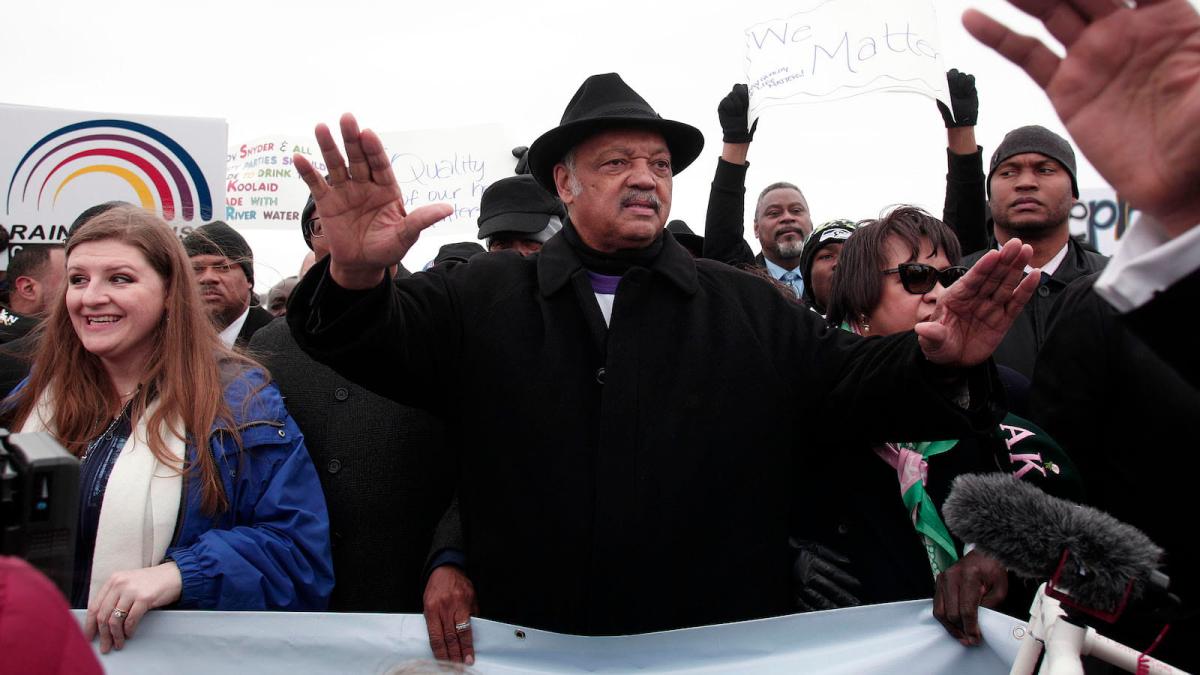
Peggy Shepard walked into her living room on Tuesday morning when her husband told her Jesse Jackson, the civil rights titan from South Carolina, had died. “Immediately tears started coming,” said Shepard, co-founder and executive director of WE ACT for Environmental Justice, a New York City-based nonprofit.
Nearly 40 years ago, Jackson had altered the course of Shepard’s life. In the late 1980s, she was working as an editor at Time-Life Books, when a colleague mentioned an organizing meeting for Jackson’s 1988 presidential campaign in Manhattan’s Greenwich Village. “I walked into this Saturday meeting, and I walked out on air,” Shepard recalled. “Two hours later, I’m the press secretary for the Jackson campaign in Manhattan.”
That campaign — which would prove groundbreaking for Shepard and the country — pushed issues that had rarely been centered in national politics. Jackson made environmental justice, a term Americans were largely unfamiliar with at the time, a key plank of his second presidential run. He called for a national energy policy that wou... Read more