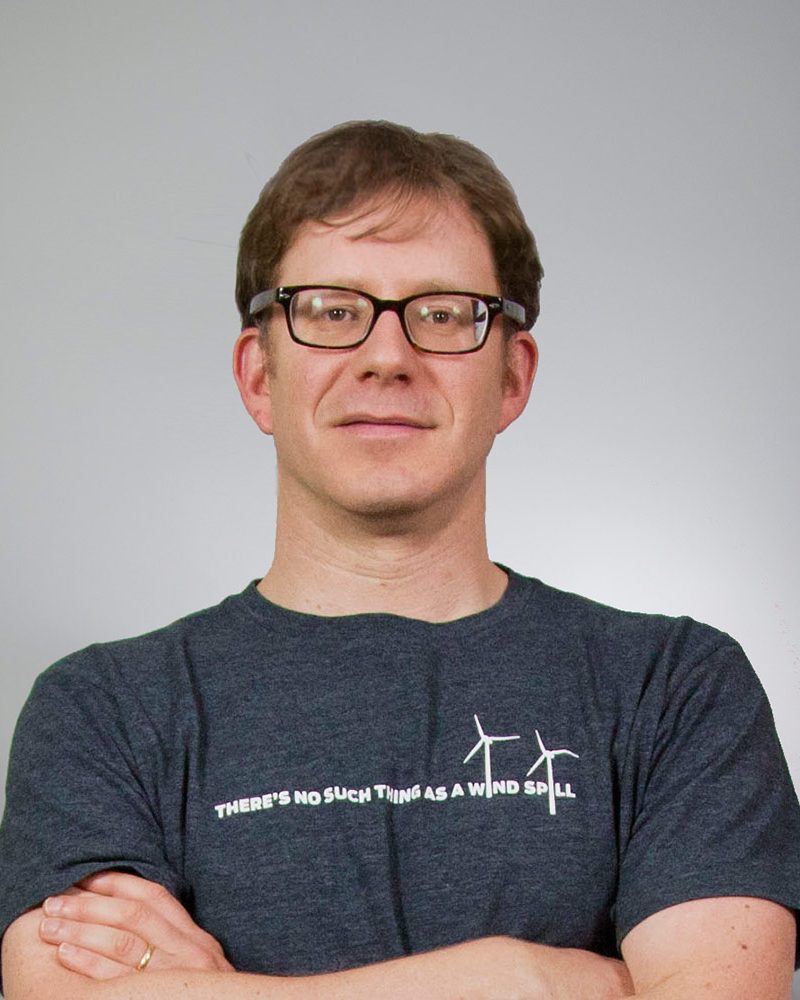


Tom Steyer spent years as a wildly successful hedge fund manager, a vigorous philanthropist, and a sought-after funder of Democratic politicians, but most of that activity took place beneath the public radar.
A few years ago, however, Steyer stepped into the spotlight. In January 2009, he and his wife Kat Taylor donated $40 million to found the Tomkat Center for Sustainable Energy within the Precourt Institute for Energy at Stanford, and another $7 million to found the Steyer-Taylor Center for Energy Policy and Finance, run by ex-Google energy guy Dan Reicher.
In August 2010, he and Taylor signed the Giving Pledge, vowing -- as with Bill and Melinda Gates and Warren Buffett -- to give away at least half their fortune, which in their case runs to $1.2 billion. Later that year, Steyer poured $5 million into a winning campaign against California's Prop 23, which would have rolled back the state's seminal global warming legislation. In November 2011, he co-founded the Advanced Energy Economy, a trade association of clean energy businesses. In October 2012, he resigned from his hedge fund to pursue social change full-time. Also in 2012, Steyer crafted, and spent $32 million to back, California's Prop 39 -- which voters approved in November, closing a tax loophole benefiting out-of-state corporations and directing half of the resulting revenue to clean-energy initiatives.
Most controversially, in March of this year, he dove headlong into electoral politics, pouring scorn and threatening to pour money into a Mass. Democratic senate primary campaign against Stephen Lynch, a supporter of the Keystone XL Pipeline. Lynch's opponent Ed Markey won, but Steyer's involvement drew fire. Markey himself disavowed the hardball tactics and political operatives everywhere clutched their pearls.
We met with Steyer when he came through Seattle, for a chat about climate, politics, and money. (This interview has been lightly edited for length and clarity.)
Q. What first engaged you on climate and energy in such a significant way? Was there a turning point or moment of clarity?
A. I don't think there was a big epiphany. But getting involved in the No on 23 campaign in 2010 was an incredible education for me in how human beings think about this, how they relate to it, and what moves them on it. It definitely corrected a bunch of my preconceptions as to who cared and why they cared. People's image of environmentalism is very different from the actual Americans who care about it. That Latinos care the most about environmental issues is not a popularly held view in the U.S., but it consistently polls that way.

Junior yuck-raker: Fourth grader films his gross school lunch
Utilities for dummies, featuring quokkas
Staggering time-lapse footage of the Oklahoma tornado