Articles by Tom Laskawy
A 17-year veteran of both traditional and online media, Tom Laskawy is a founder and executive director of the Food & Environment Reporting Network and a contributing writer at Grist covering food and agricultural policy. Tom's long and winding road to food politics writing passed through New York, Boston, the San Francisco Bay Area, Florence, Italy, and Philadelphia (which has a vibrant progressive food politics and sustainable agriculture scene, thank you very much). In addition to Grist, his writing has appeared online in The American Prospect, Slate, The New York Times, and The New Republic. He is on record as believing that wrecking the planet is a bad idea. Follow him on Twitter.
All Articles
-
![apple tech]()
![apple tech]()
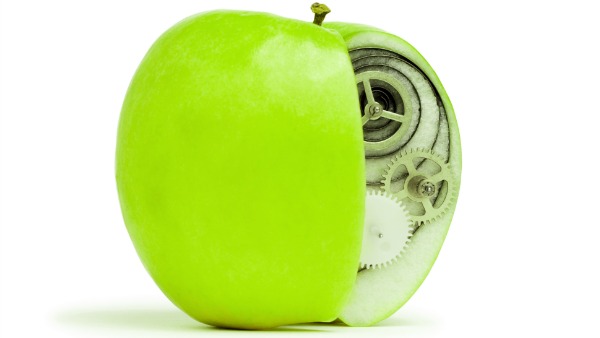
When it comes to food, technology won’t save us
A recent “hackathon” netted some nifty widgets for the foodie set, but when it comes to solving world hunger, sorry guys, there’s no app for that.
-
![Baby watching TV]()
![Baby watching TV]()
Junk food science: What kids see on TV can hurt them
The American Medical Association calls for a ban on marketing “energy drinks” to youngsters. Maybe Ronald McDonald should get the axe next.
-
![]()
![]()
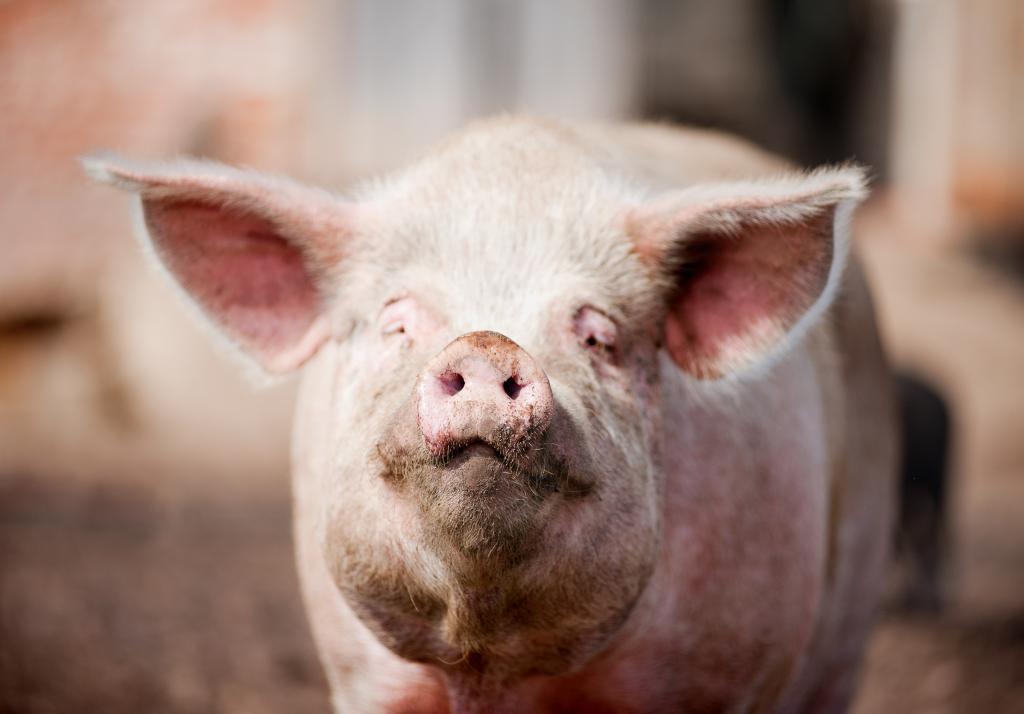
Look who’s squealing now: GMO lovers freak over new study of sick pigs
Australian researchers recently found that genetically modified feed caused severe stomach inflammation in pigs. Critics of the study, who say these foods can cause no harm, flipped a lid.
-
![]()
![]()
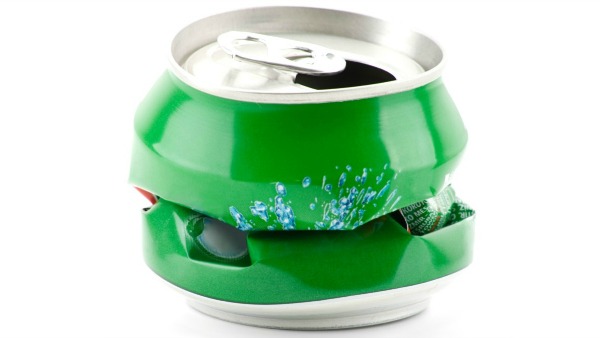
Sugar low: Big Soda is losing the battle for American hearts and bellies
A new study from the CDC shows that more than a third of American kids drink no soda at all. But there's bad news, too.