Food Feeding the City

In This Series
-
![]()
![]()
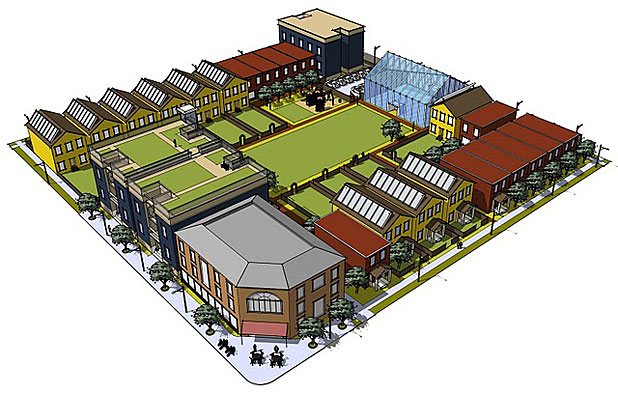
The future of urban agriculture is not about the 10-mile diet
Urban agriculture is a movement in transition. Agriculture has a vital role to play in cities, but it must be done in a way that keeps the urban fabric intact.
-
![]()
![]()
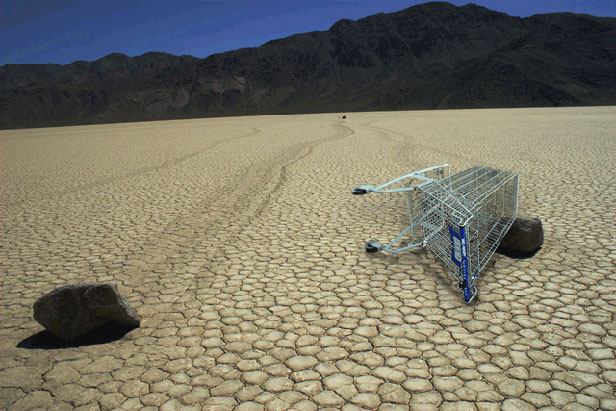
Would a Walmart solve West Oakland's and Nashville's food problems?
Getting fresh, healthy food into low-income urban areas known as "food deserts" isn't as simple as it appears. For example, should food-justice advocates be celebrating when Walmart is the one bringing an oasis of fresh groceries to these deserts?
-
![]()
![]()
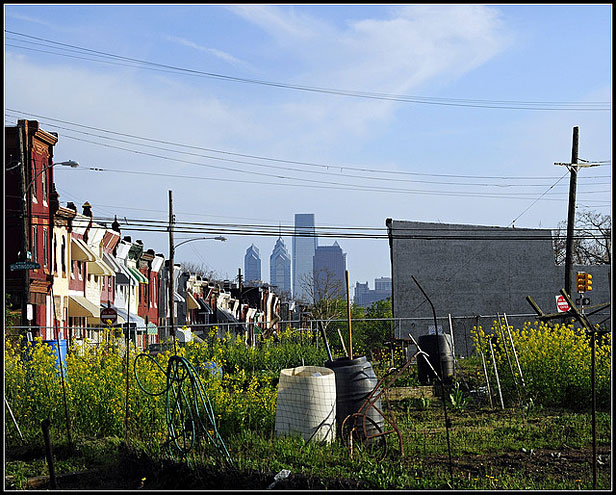
Philadelphia's urban-farming roots go deep — and are spreading wide
Philly's homegrown ag movement isn't just about getting more local produce into farmers markets. It's focused on farming as a source of jobs and skills for city residents as well as a means to provide them affordable, healthy food.
-
![]()
![]()
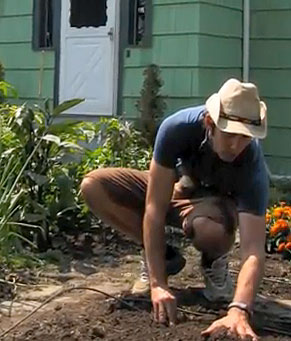
Colin McCrate wants you to eat your yard [AUDIO SLIDESHOW]
There’s a new kind of farmer in town. Colin McCrate is using his agricultural know-how to convert sprawling urban yards into edible bounty.
-
![]()
![]()
Three projects that are watering Detroit's ‘food desert'
Food has emerged as the key motivating force of Detroiters' efforts to re-imagine their town as a thriving, livable place. Here are three representatives of the spirit driving the 21st-century version of the Motor City.
-
![]()
![]()
Can Oakland plant a policy revolution to match its grassroots efforts?
Unlike in Seattle or San Francisco, urban ag projects in Oakland have flourished through benign neglect.
-
![]()
![]()
New Agtivist: Gene Fredericks is thinking inside the city’s big box
They're the bane of urban and suburban areas alike: the vacant, boarded-up K-Marts and Home Depot Expos. But where most people see blight and a waste of space, San Francisco Bay Area entrepreneur Gene Fredericks sees opportunity: to grow food. Lots of food. Fredericks' latest venture, Big Green Boxes, offers a new, high-tech, sustainable approach to Feeding the City.
-
![]()
![]()
Smart cities are (un)paving the way for urban farmers and locavores
Across the U.S., cities are buckling up their green belts and introducing legislation to foster local-food production of everything from cucumbers to yellow limes, reports Kerry Trueman for Grist's Feeding the City series. Because nobody wants to get caught with their pantry down?
-
![]()
![]()
Three mobile vendors that are 'Feeding the City' one quick, guilt-free snack at a time
The Bay Area's Primo's Parilla and Let's Be Frank, along with People's Pops of New York, are making tasty, mid-priced food from quality ingredients.