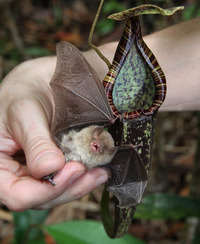
Bats eat a lot of bugs. Here are some living under a bridge in Austin, Texas that eat millions of pounds of pests every season. What happens if those bats are wiped out in a few years — as it looks like they could be — by a combination of wind turbines and a fungal disease called white-nose syndrome?
A lot more bug bites, and between $3 billion and $53 billion in losses to agriculture in the U.S.
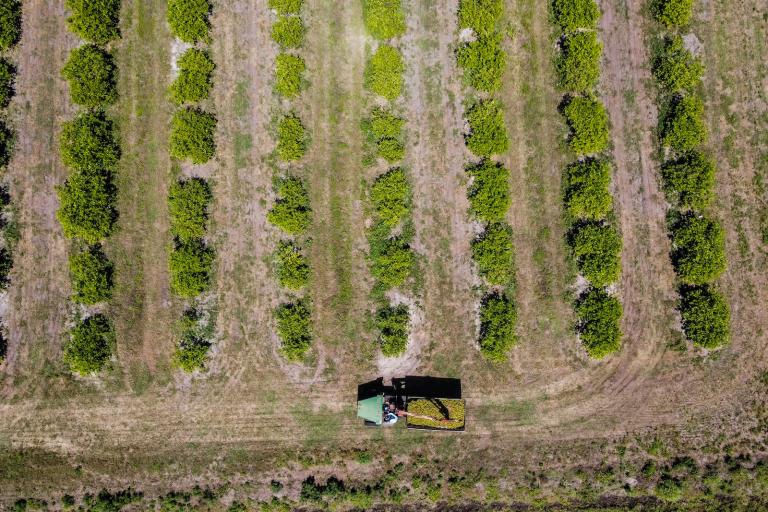
Ecosystem services — everything nature takes care of so we don't have to — are easy to forget about until they're gone. A new analysis by Paul Cryan of the U.S. Geological Survey extrapolated those values from an acre-by-acre record of the effects of bats on the cotton-eating boll weevil. In bad years, the weevils can cost farmers up to $172 per acre in extra pesticide; that's where the high-end figure comes from.
Cryan cautions that these numbers are preliminary, hence the wide range in his estimate of bats' value. But threats to bats are severe enough that farmers could see their numbers take a significant hit in four or five years.
A message from
Your support keeps our climate news free.
Grist is the only award-winning newsroom focused on exploring equitable solutions to climate change. It’s vital reporting made entirely possible by loyal readers like you.
At Grist, we don’t believe in paywalls. Instead, we rely on our readers to pitch in what they can so that we can continue bringing you our solution-based climate news. Donate today to keep our site free.