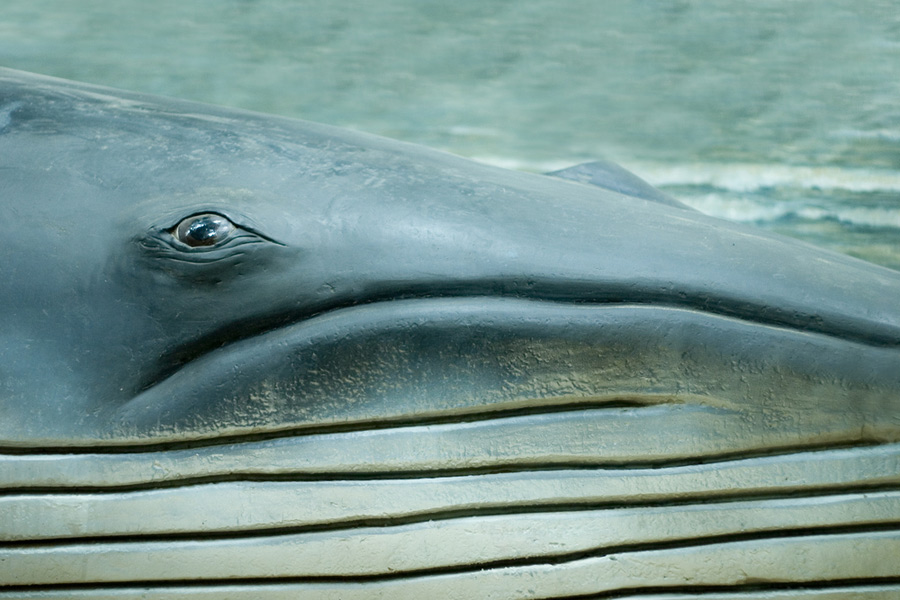
In California, a road crew — which, according to state law, must for real include an on-site paleontologist and an archaeologist — dug up a boneyard of hundreds of marine mammals, ScienceNOW reports. Among those bones, they came up 30 whale skulls. And four of those skulls belong to “four newly identified species of toothed baleen whale — a type of whale that scientists thought had gone extinct 5 million years earlier.”
ScienceNOW explains:
The new fossils date to 17 to 19 million years ago, or the early-mid Miocene epoch, making them the youngest known toothed whales. Three of the fossils belong to the genus Morawanocetus, which is familiar to paleontologists studying whale fossils from Japan, but hadn’t been seen before in California.
The fourth new species was a different genus and was bigger than whales this old are expected to be. And, like a boss, it ate sharks.
Meredith Rivin, the paleontologist who’s been analyzing these fossils, is still working on an official paper presenting her findings, but we’re already pretty sure this is the best possible result of digging a new highway.
A message from
Your support keeps our climate news free.
Grist is the only award-winning newsroom focused on exploring equitable solutions to climate change. It’s vital reporting made entirely possible by loyal readers like you.
At Grist, we don’t believe in paywalls. Instead, we rely on our readers to pitch in what they can so that we can continue bringing you our solution-based climate news. Donate today to keep our site free.