Latest Articles
-
![a group of women walk down a city street chanting and carrying a sign for climate justice]()
![a group of women walk down a city street chanting and carrying a sign for climate justice]()
‘A much-needed step’: The EPA creates a new environmental justice office
The initiative will give hard-hit communities $3 billion to address pollution.
-
![Unused pipes for the Nord Stream 2 Baltic gas pipeline are stored on the site of the Port of Mukran.]()
![Unused pipes for the Nord Stream 2 Baltic gas pipeline are stored on the site of the Port of Mukran.]()
The huge expansion of oil pipelines is endangering the climate, report says
Thousands of miles of new pipelines planned around world show ‘an almost deliberate failure to meet climate goals.’
-
![Collage: SUV driving in nature with trees and mountains in distance, with a photo of a smog covered city rising beyond the mountains]()
![Collage: SUV driving in nature with trees and mountains in distance, with a photo of a smog covered city rising beyond the mountains]()
‘Nature-rinsing’: How polluters use the beauty of nature to clean up their image
Ever wonder why ads show SUVs dashing through the forest?
-
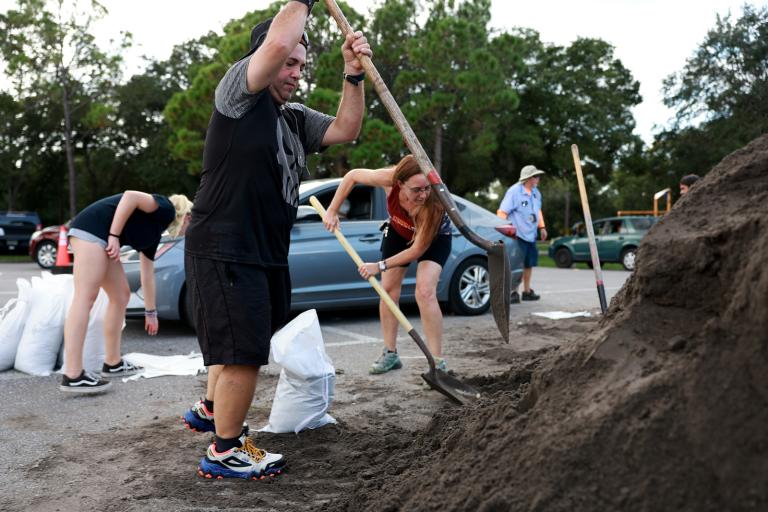
![A group of people shovel sand into sandbags in a parking lot]()
![A group of people shovel sand into sandbags in a parking lot]()
Tampa Bay isn’t safe from any hurricane — especially not Ian
The coastal region is severely flood-prone, even with smaller storms.
-
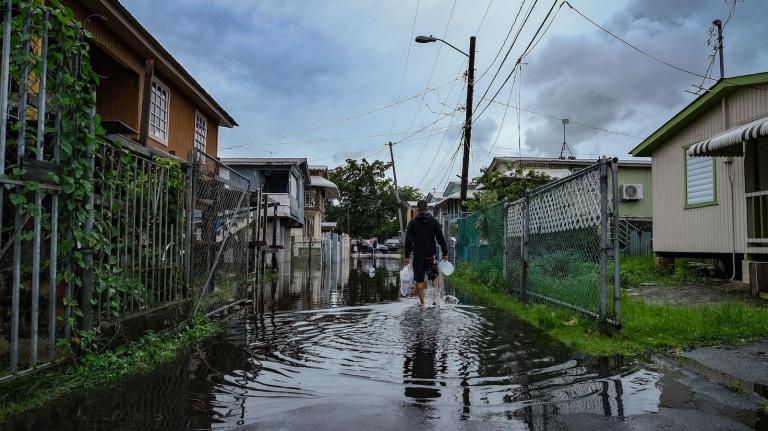
![a man walks through a flooded street in between two houses]()
![a man walks through a flooded street in between two houses]()
Puerto Ricans were already angry about the power grid. Then came Hurricane Fiona.
“Fiona is a storm, and the privatization of the electric grid is a storm as well.“
-
![]()
![]()
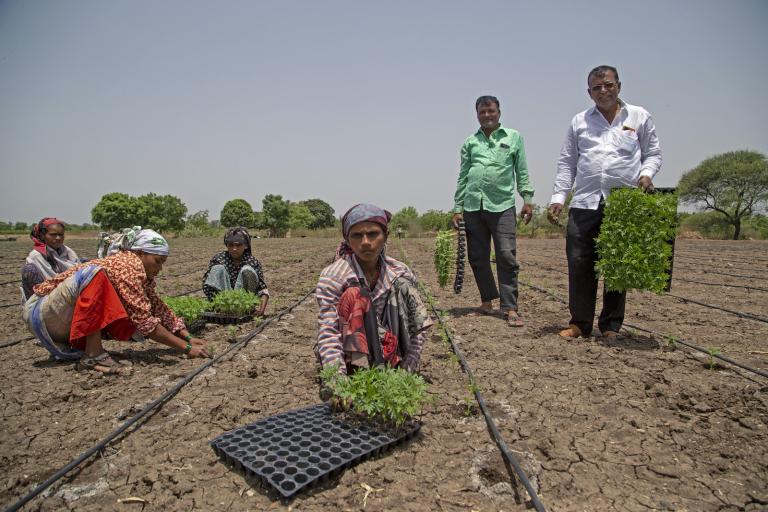
The rebirth of Hiware Bazar
How a drought-stricken community in India became a “village of millionaires”
-
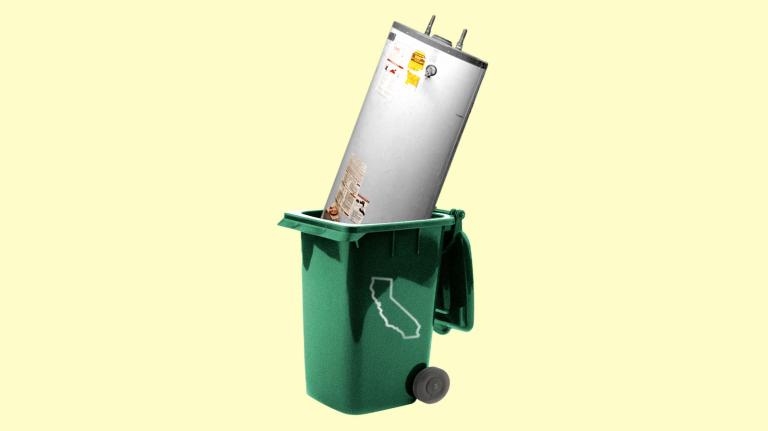
![A hot water heater tank sticking out of an open garbage can that has the shape of California spray painted on its side]()
![A hot water heater tank sticking out of an open garbage can that has the shape of California spray painted on its side]()
California’s 2030 ban on gas heaters opens a new front in the war on fossil fuels
The first-of-its-kind plan will purge gas from existing buildings, not just new construction.
-
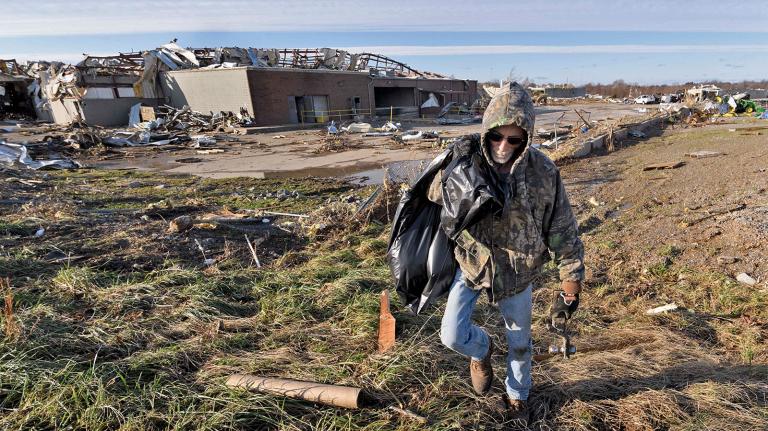
![Man holding garbage bag walking towards camera with warehouse ruins behind him]()
![Man holding garbage bag walking towards camera with warehouse ruins behind him]()
Stuck at work during a climate disaster? A new bill could change that.
Giving workers more of a chance and a choice when extreme weather hits.
-
![]()
![]()
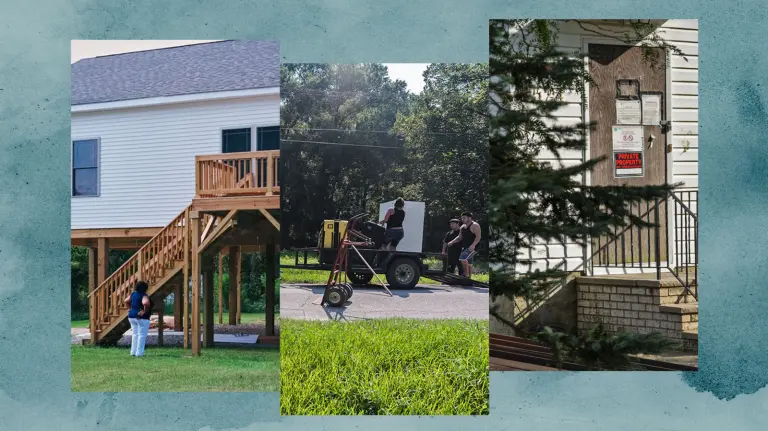
Flood. Retreat. Repeat.
As seas rise and storms become more intense, some 40 million Americans living in floodplains are facing greater risk of disaster. Local, state, and federal officials are increasingly looking at managed retreat, or buyouts, as a way to get people out of harm’s way. In this series, Grist profiles three communities at various stages of the buyout process, examining what happens when you ask – or sometimes force – people to leave their homes. What gets lost and who gets left behind?
-
![Photo of corn growing out of dry, cracked dirt, with a red and yellow glare at the bottom and a yellow circle overlaid on the top right corner]()
![Photo of corn growing out of dry, cracked dirt, with a red and yellow glare at the bottom and a yellow circle overlaid on the top right corner]()
The Corn Belt will get hotter. Farmers will have to adapt.
The nation's largest corn producing region could soon be known as the Extreme Heat Belt.