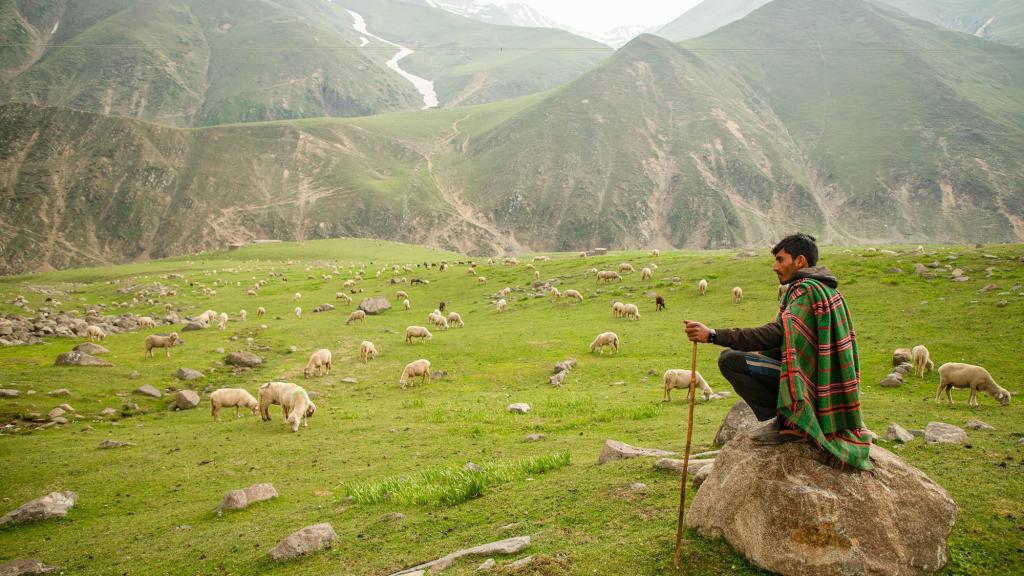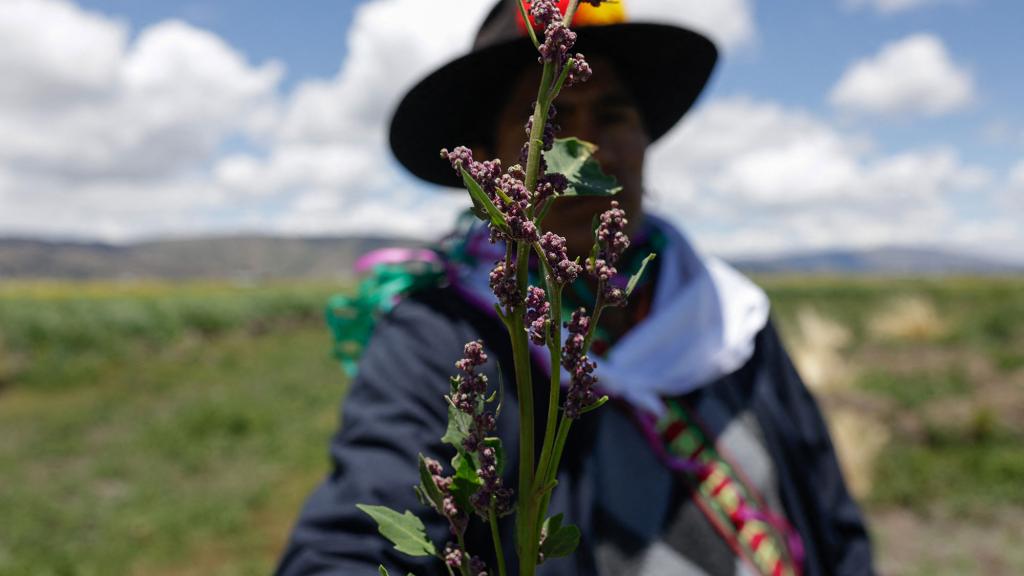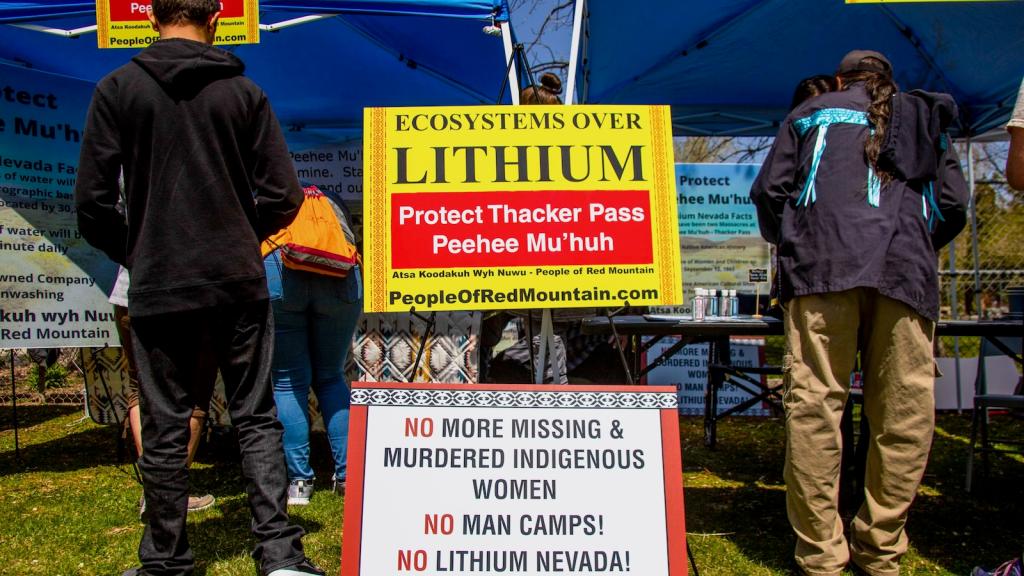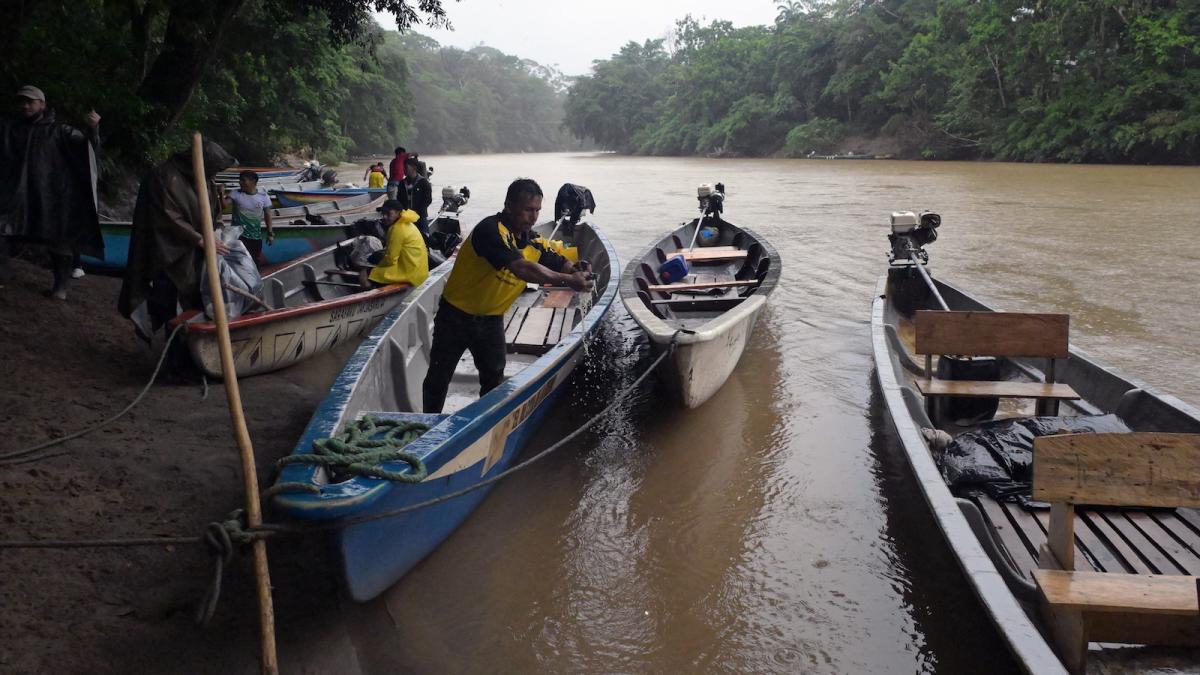
Indigenous lands from Canada to Ecuador to Nepal are increasingly being hit by catastrophic storms, fires, and floods. Worse, these climate disasters often come one after the other as overlapping crises rather than isolated incidents. Still, despite the ongoing destruction, Indigenous peoples continue to prove that they have the knowledge and skills to respond, if only global powers will let them.
Even amid growing recognition by scientists and policymakers of the power of Indigenous expertise to respond to climate change, the key role that Indigenous governance plays in those knowledge systems has not received as much respect.
That’s according to a new report from Land Is Life that highlights the global success of Indigenous climate adaptation and resilience amid escalating crises. The report also says supporting Indigenous governance through legal recognition, financing, and partnerships — none of which are occurring on a large scale — is the best way to reduce climate disaster risk worldwide.
... Read more