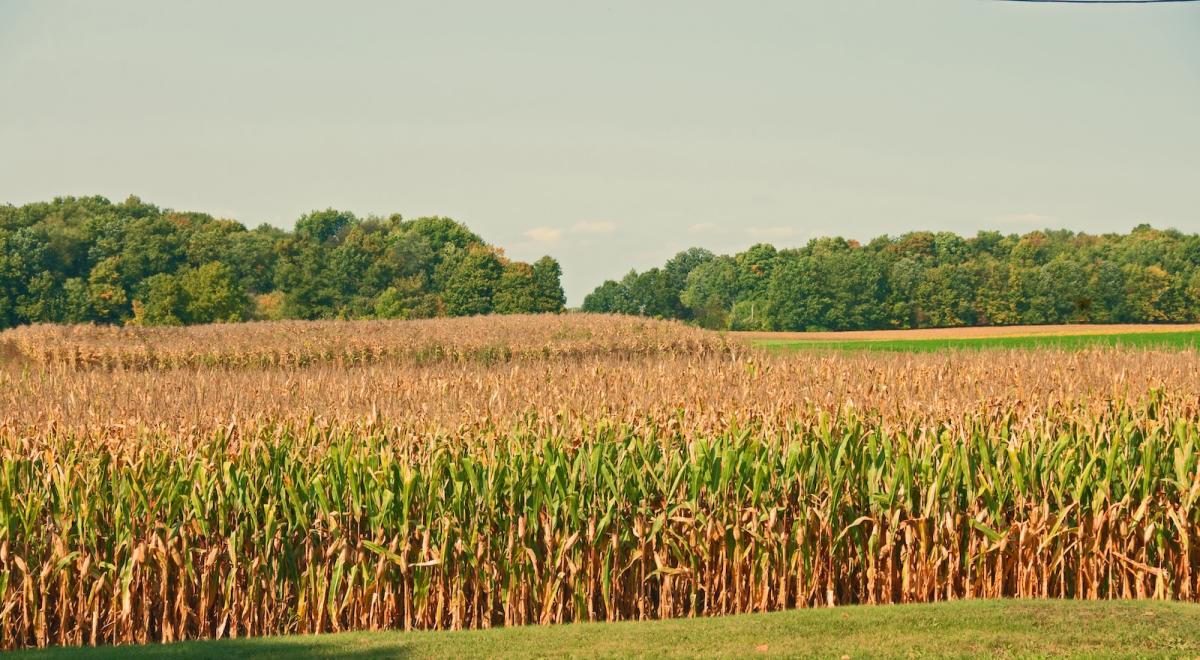
John Boyer grew up on his family’s 131 acres of rolling fields of corn, oats, and wheat in a rural area near the tiny city of East Jordan in northern Michigan. The farm had changed ownership outside the family several times over the decades before Boyer rebought it in 2018. He felt an obligation to repurchase and farm the land to prevent development from encroaching on the area’s community of family farms.
“For any farmer, everything’s personal,” Boyer said. “Every piece of property, every stone you pick up, you spend countless hours out there.”
As millions of farmland acres around the country are expected to change hands in the next few decades, farmers are facing decisions about whether — and if so, how — to preserve farmland amid pressures from rising land values, a shifting climate, and a younger generation that doesn’t want to farm. The number of acres devoted to farming in Michigan has declined in recent decades, as it has in the rest of the country. And ownership of that land is changing.... Read more