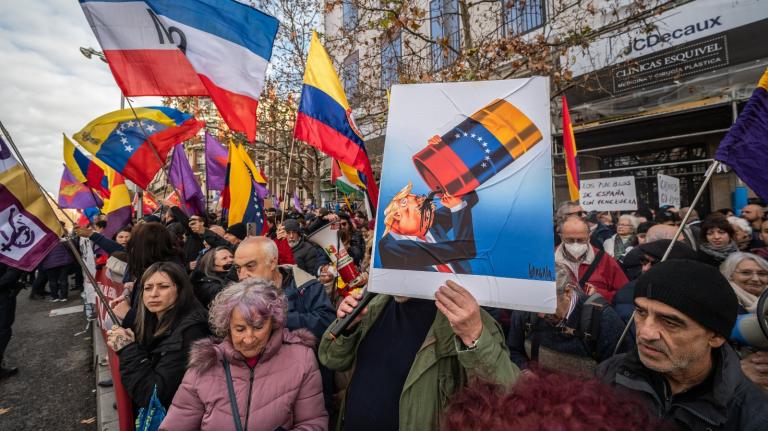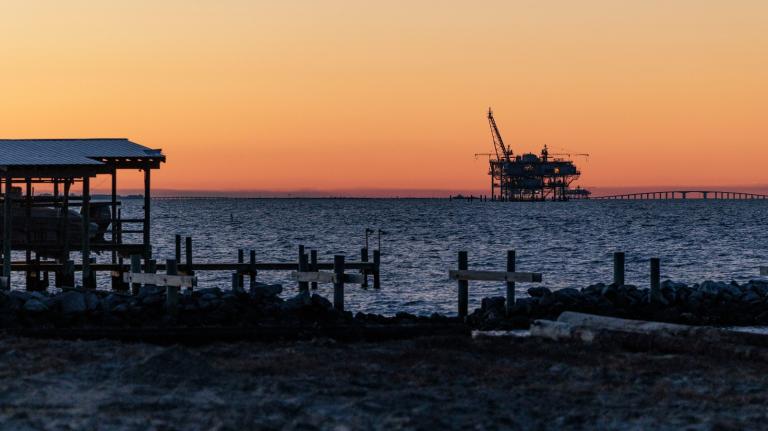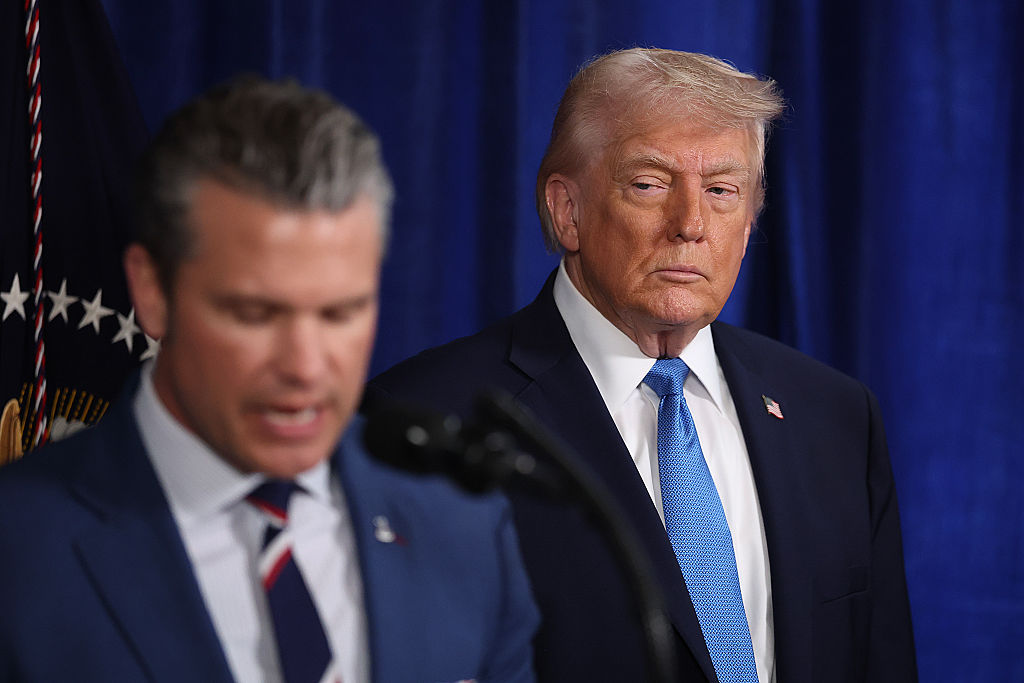
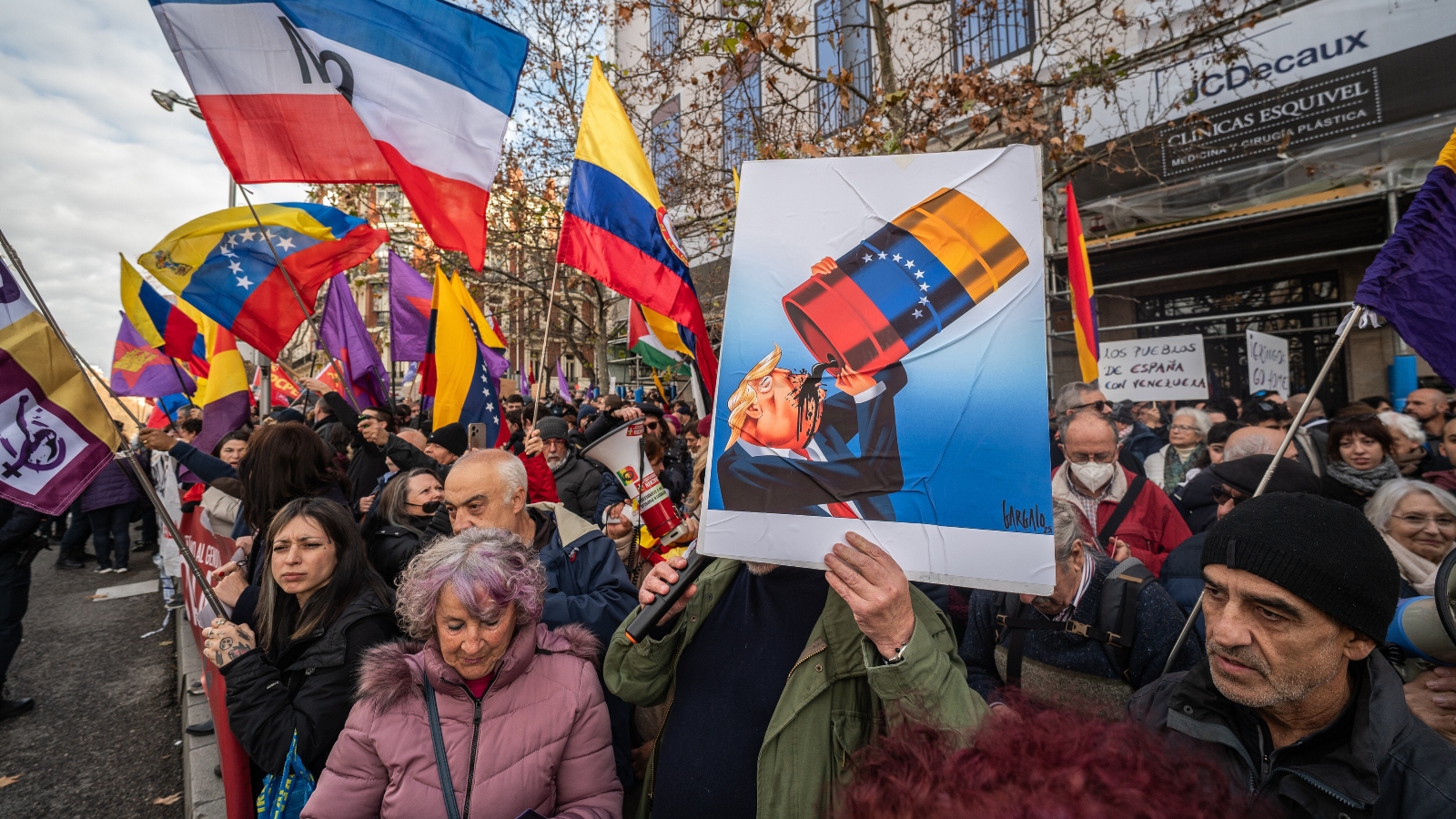
The middle-of-the-night kidnapping of Venezuelan President Nicolás Maduro shocked the world on Saturday. Military helicopters bombed Caracas, Venezuela’s capital, as U.S. special forces breached Maduro’s residence, captured him, and flew him to New York to stand trial on unproven charges of narcoterrorism. President Donald Trump has offered several justifications for Maduro’s ouster, including the collapse of Venezuela’s oil industry. But the very conditions Trump has been pointing to were exacerbated by the actions of past U.S. presidents — including Trump himself. If the Venezuelan oil industry is in tatters, it’s at least partially because of U.S. policies dating back at least a decade.
On Wednesday, Trump’s Department of Energy put out a “fact sheet” stipulating that the U.S. is “selectively rolling back sanctions to enable the transport and sale of Venezuelan crude and oil products to global markets.” This outcome is doubly ironic because U.S. sanctions are one of the reasons the Venezuelan oil industry is diminished in the first place. The announcement also states that the U.S. will market Venezuelan oil, bank the proceeds, and disburse the revenue “for the benefit of the American people and the Venezuelan people at the discretion of the U.S. government.”
Maduro first drew the ire of President Trump in 2017 after the Venezuelan government stripped powers from the opposition-controlled legislature and violently suppressed mass protests. Trump responded by imposing sanctions on Maduro, several senior officials, and Venezuela’s state-owned oil company, significantly broadening the targeted sanctions that the Obama administration first imposed in 2015. Speaking to reporters at his golf club in Bedminster, New Jersey, that August, Trump said he would not rule out a “military option” in Venezuela.
Two years later, after Maduro secured a second term in a contested election, the Trump administration dramatically escalated its pressure campaign, announcing a full oil embargo on the country. Venezuela holds the world’s largest proven oil reserves and produces a kind of heavy crude used to make diesel fuel and petrochemicals. At the time, the United States received roughly 40 percent of Venezuelan oil exports. The embargo severed not only that trade but also exports to European Union countries, India, and other U.S. allies. Suddenly, Venezuela was largely cut off from global markets.
By the time sanctions kicked in, Venezuela’s oil production was already slipping. Low oil prices in the early 2010s caused instability for an industry that had long been plagued by mismanagement, corruption, and underinvestment. But the sanctions delivered a devastating blow.
“When they cut off the ability of the government to export their oil and access international finance, it was all downhill from there,” said Mark Weisbrot, co-director of the Center for Economic and Policy Research, an economic policy think tank. “It was economic violence to punish Venezuelans.”
Even as global oil prices rose again, the sanctions had limited Venezuelan exports and prevented the country from rebuilding its oil sector. With few buyers and little access to financing or technology, oil output collapsed by nearly 80 percent by the end of the decade, compared to its 2012 peak. Most of those sanctions remained in place under the Biden administration, and experts say the cumulative effect was the near-total collapse of Venezuelan oil production — damage that President Trump is now using as justification for his military strike against the country this week.
While the Trump administration’s precise motivations are not entirely clear, the president has described Venezuela’s oil industry as a “total bust” in interviews following the U.S. capture of Maduro.
“They were pumping almost nothing by comparison to what they could have been pumping and what could have taken place,” Trump said on Saturday. He added that U.S. oil companies will spend billions of dollars to “fix the badly broken infrastructure, the oil infrastructure, and start making money for the country.”
But there are few signs that oil companies are eager to return. For one, prices are hovering around $60 a barrel, which is roughly the break-even point for many companies. And without political stability, oil majors are unlikely to commit the billions of dollars necessary to restart production in Venezuela’s oil fields. The Trump administration has reportedly scheduled a meeting with oil companies for later this week to discuss a possible reentry. For now, Chevron is the only U.S. company with active operations in the country.
The sanctions reshaped the global flow of oil. When the U.S. banned Venezuelan oil, the U.S. Gulf Coast refiners who specialize in heavy crude turned to new suppliers in Colombia, Mexico, and Argentina. Elsewhere, countries that had depended on Venezuelan oil increasingly turned to Russia. Other oil-producing countries also increased their production to make up for the declining exports from Venezuela.
The sanctions also had ripple effects far beyond the oil sector. By cutting off Venezuela’s ability to access international finance, they dealt a huge blow to an economy highly dependent on imports. Unable to borrow, the country struggled to purchase basic necessities such as food and medicine. At the same time, the oil embargo blocked the export of its most profitable asset. The result was a stranglehold on the country’s economy that drove poverty and deaths. Patients with HIV, diabetes, and hypertension were not able to access life-saving drugs. One study at the time estimated that some 40,000 additional deaths could be attributed to the economic conditions caused by the sanctions.
“When you can’t get the things that you need to produce electricity and clean water, all kinds of diseases get worse,” said Weisbrot.
Even before the latest attacks against Venezuela, the United States’ sanctions against the country were described as “economic warfare” by a former United Nations rapporteur and other international law experts. While it’s unclear how the Trump administration plans to proceed, restoring the semblance of a functional economy in Venezuela and undoing the damage of past U.S. policy may take decades.
A message from
Your support keeps our climate news free.
Grist is the only award-winning newsroom focused on exploring equitable solutions to climate change. It’s vital reporting made entirely possible by loyal readers like you.
At Grist, we don’t believe in paywalls. Instead, we rely on our readers to pitch in what they can so that we can continue bringing you our solution-based climate news. Donate today to keep our site free.