This coverage is made possible through a partnership between Grist and BPR, a public radio station serving western North Carolina.
In the days and weeks after Hurricane Helene, people throughout western North Carolina and beyond found themselves thrust into new situations, forced to learn new skills to help themselves and their neighbors.
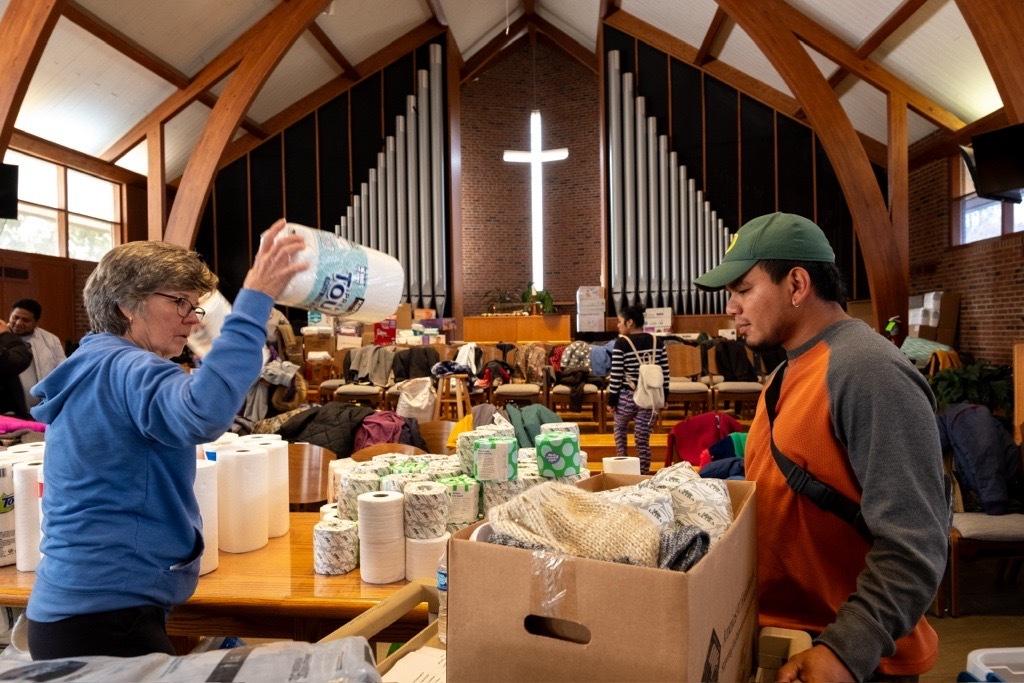
Community centers, churches, and fire departments flung open their doors, and for months, they buzzed with activity. Stacks of clothes covered altars. Tools and equipment filled spare rooms. Residents learned how to strip homes to the studs and built networks for bringing food, water, and other essential supplies to one another.
Now, two years later, people want to turn these ad hoc efforts — which supported communities through the loss of power, water, internet, and other crucial services — into more permanent fixtures of local disaster response, called “resilience hubs.”
“It’s become one of those terms, I think, that sometimes feels a little nebulous to people,” McKenzie Jones, a director with Urban Sustainability Directors Network, said. “But resilience hubs are just existing community spaces that are used and trusted by residents.”
The East Asheville Library, for instance, is installing solar panels. At the Asheville Tool Library, people are learning how to wield power tools. And at the Old Fort Train Depot, locals recently discussed a heat wave action plan during an ice cream social.
The city is stepping up as well. Earlier this year, Asheville set aside $2 million to shore up the city’s existing hubs. City Manager D.K. Wesley made a soft commitment of spending up to $10 million over the long term.
This effort reflects a broader movement, as communities across the country invest in resilience hubs to prepare for power outages, extreme weather and other emergencies. But Helene also showed that resilience doesn’t necessarily require a designated hub. It can reside in the skills, equipment, and connections people can draw on even before the next disaster arrives.
“So the question is, How do we get them all to work together proactively before something happens and build those networks so that when it does happen, they’re able to support each other more effectively?” Jones said.
Two years after Helene, those lessons are taking root across western North Carolina. Here are four ways communities are turning what they learned in the disaster and its aftermath into tools for whatever comes next.
Keeping the lights on with solar power
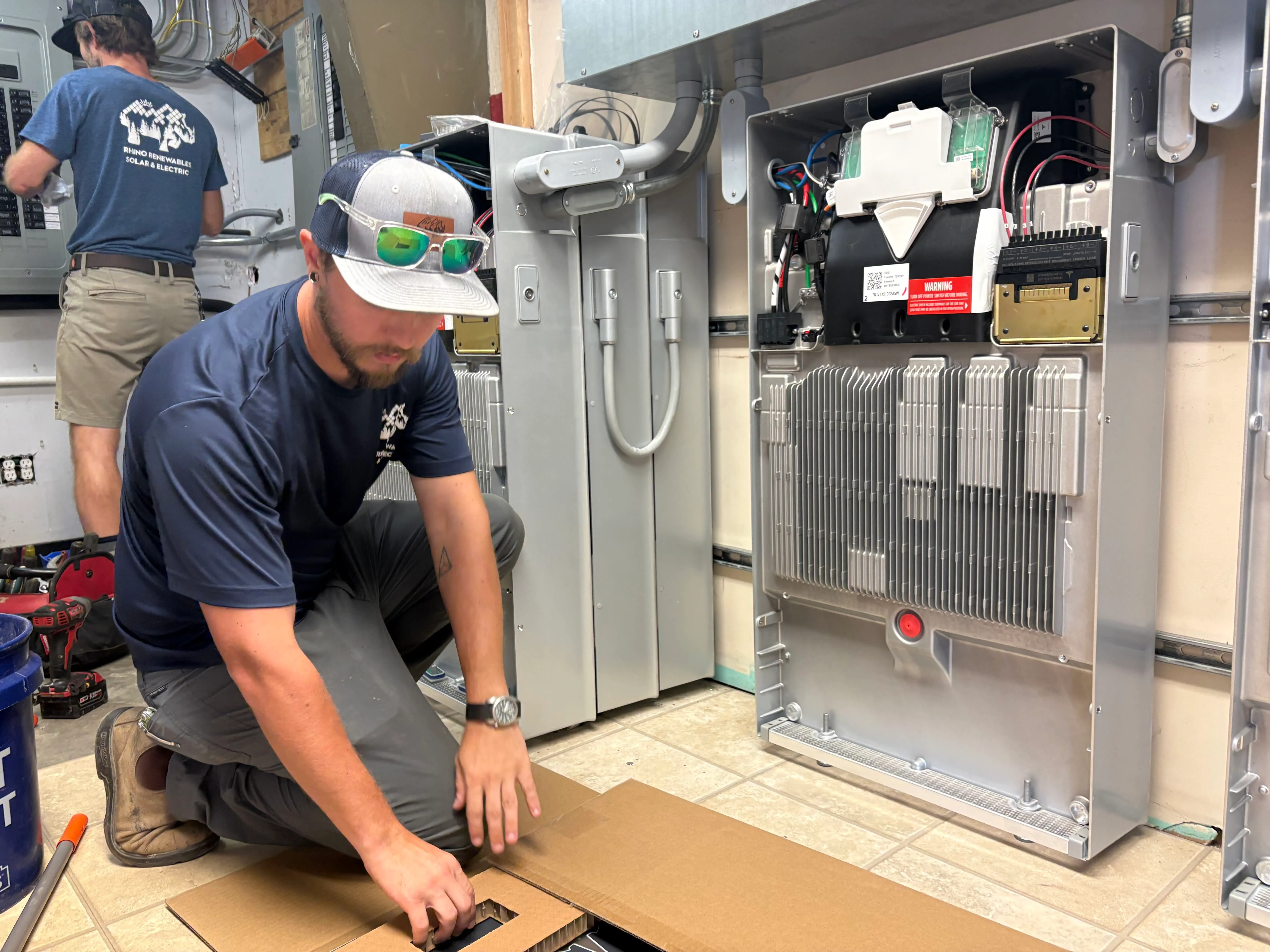
On a sunny morning in Marshall, Steve Porvaznik and Ryan Callahan, both electricians with Rhino Renewables, put the final touches on a solar installation. They secured white covers over three batteries, each about 3 feet tall and containing a nest of wires and conductors.
The work capped a week spent outfitting Beacon of Hope, a laundromat, thrift store, and food bank with the equipment needed to create a microgrid. “We were able to back up the whole store, essentially, with all the freezers and coolers,” Porvaznik said. The batteries can store an estimated 68 kilowatt-hours of solar power, allowing Beacon to keep the lights and appliances running for at least a day without sunlight or a connection to the larger electrical grid.
It is the first of 26 microgrids planned for western North Carolina. Twenty-four will serve community centers, food banks, fire departments, and other essential facilities. Two more will be mounted on trailers and sent wherever they are needed. A $5 million grant from the state Department of Environmental Quality is funding the work.
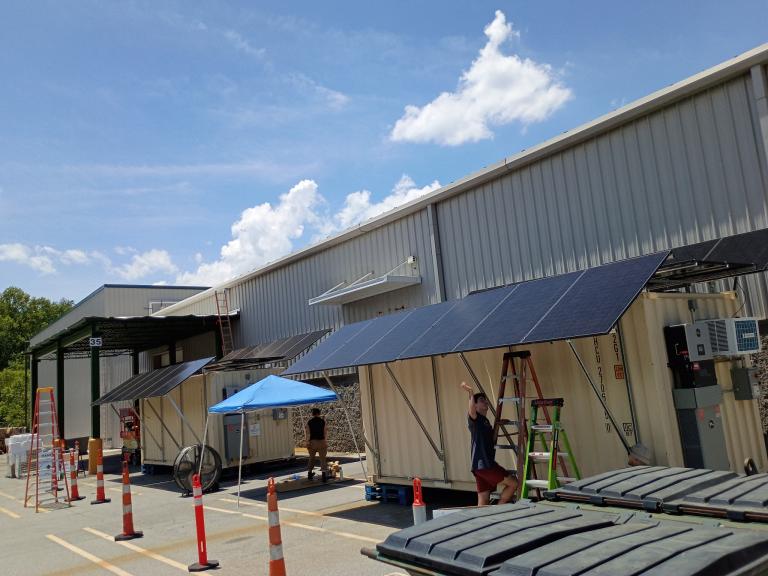
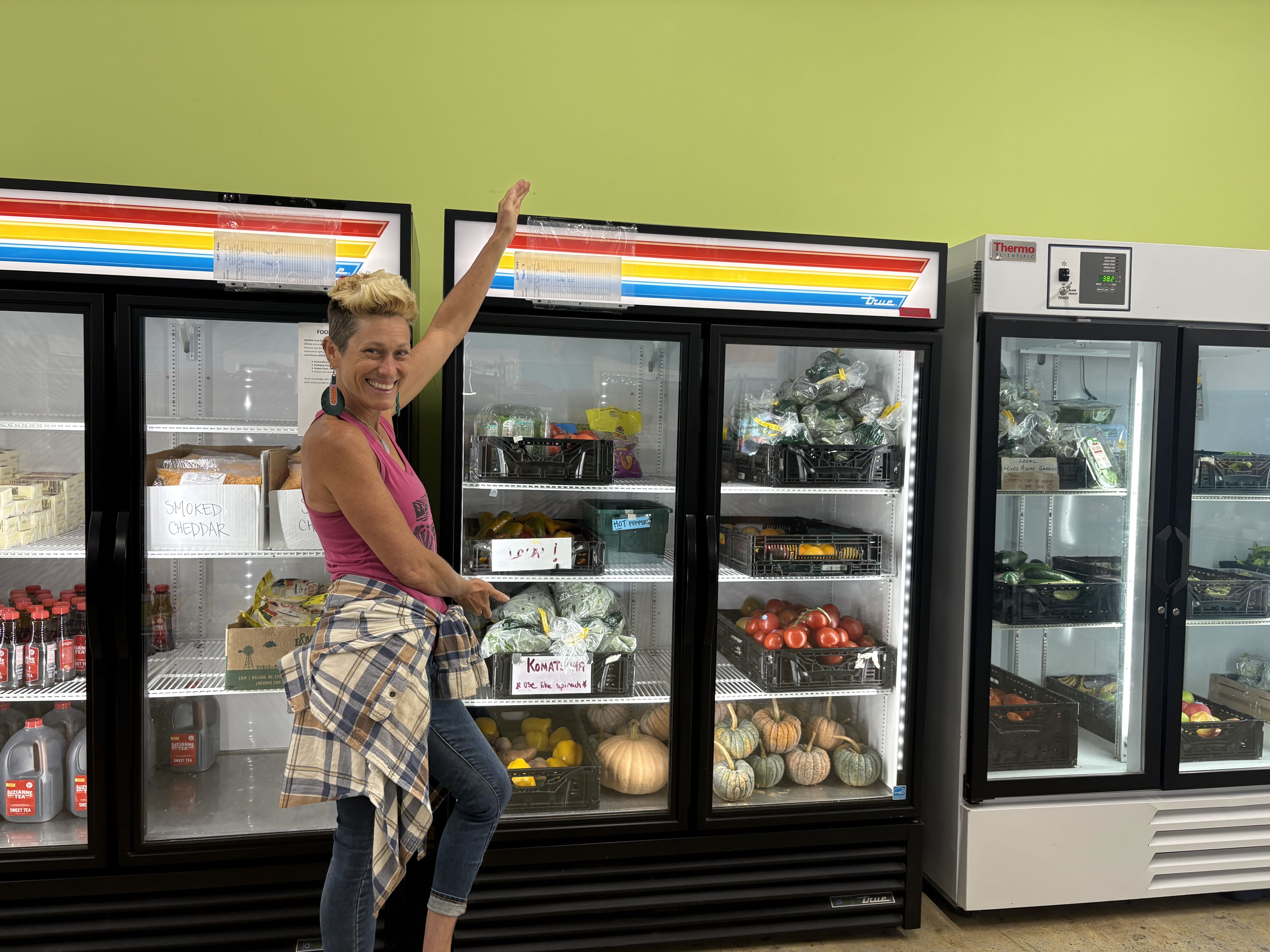
At Beacon of Hope, keeping the power on means the freezers, washing machines, and other equipment continue running. Director Jessi Koontz said the food pantry provides weekly food assistance to about 1,600 families, with hunger up about 50 percent since last summer.
“People already come here,” she said. “So, how can we maximize the resources that are available and the communication that is available when they come here?”
Those leading the microgrid campaign hope to expand beyond the 26 already in the works, but so far neither state nor federal officials have provided additional funding. That’s a common impediment to expanding such programs, said Alex Kwasinski, a University of Pittsburgh engineer who studies microgrids and disasters.
Sarah Nichols of Land of Sky, one of the organizations bringing the technology to the region, is working to identify more community hubs that would benefit from solar microgrids. The best locations sit on high ground and serve populations with high needs.
“Are we looking at equity?” Nichols said. “Should we put it in a more rural area or in a community that might not traditionally get access to government services?”
During an outage as widespread as Helene’s, such hubs could keep food and medication cold and communications running while providing a safe, warm, and dry place for people whose homes have lost power.
– Katie Myers
Staying connected when cell networks go down
Every Saturday night, William Walker has a standing appointment with his two-way radio. The retired railroad worker runs a weekly check-in, called a “net,” from his home in Fletcher, connecting with dozens of radio enthusiasts who have turned a hobby into a public service.
Over a crackly signal, regulars check in from as far away as South Carolina, sharing snippets about their lives: a 41st birthday, a granddaughter’s wedding, an afternoon spent chopping wood. These exchanges go on for about half an hour, with Walker as master of ceremonies.
“It’s kind of like having family come into your living room every Saturday night,” he said. “We’ve tried to make it a very welcoming place. I mean, if there was ever a bunch that’s never been a stranger, it’s the people that I’ve met on the GMRS radio.”
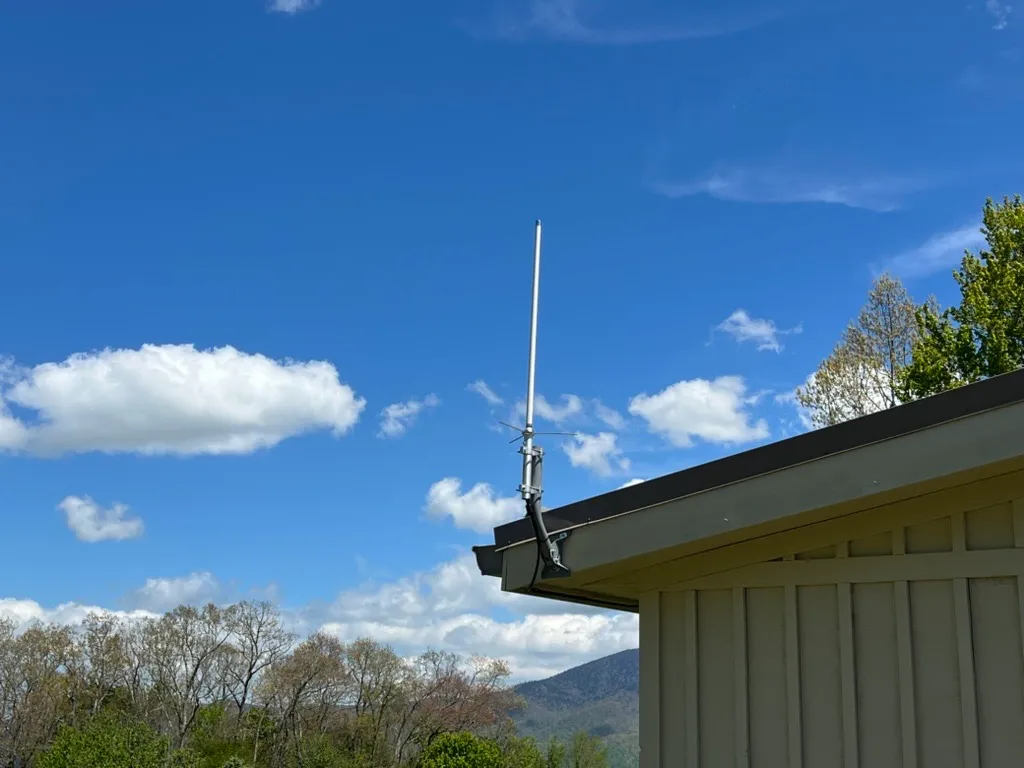
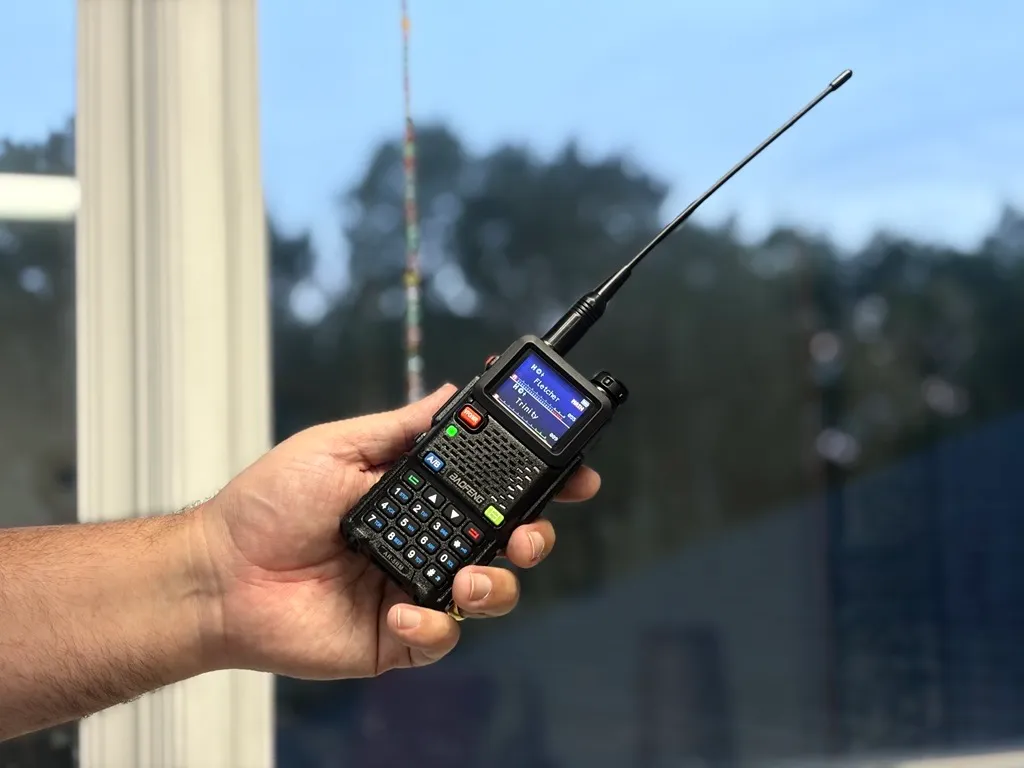
GMRS, or general mobile radio service, is a two-way system that doesn’t need a cell network or internet connection. A license costs $35 and there is no test, making it easy for anyone to participate. Walker’s weekly check-ins allow people to “overcome their mic fright” and make sure their equipment works.
That preparation gained urgency after Helene knocked out communication across a wide swath of the region, leaving people cut off from loved ones and vital information. The number of licenses jumped by 130 percent in the year after the storm.
Fairview resident Justin Hamel saw the value of GMRS firsthand. “We were really struggling to connect,” he said. He eventually got his hands on some “bubble radios,” as walkie-talkies with GMRS capabilities are known, and passed them out to neighbors.
It wasn’t perfect, and mountain ridges occasionally blocked signals, but everyone could share updates about water, supplies, and cleanup efforts. Hamel even helped relay information to first responders who dispatched a helicopter for a medical emergency.
Inspired by the experience, Hamel launched WNC Radio Project, a nonprofit that teaches people about the technology and works to expand its reach by installing small devices called signal repeaters on mountaintops. “With the aid of repeaters, you can talk across multiple counties,” he said. “Basically, think like a cell phone tower.”
He’s already installed two of them, and the network allowed him to communicate with neighbors during Winter Storm Fern and other severe weather — exactly the situation it was built for. “Radio’s superpower is that it enables instantaneous ad hoc group communication,” Hamel said. “All you have to do is pick up your radio, turn it on, and hit that button.”
– Laura Hackett
Equipping a new wave of power tool users
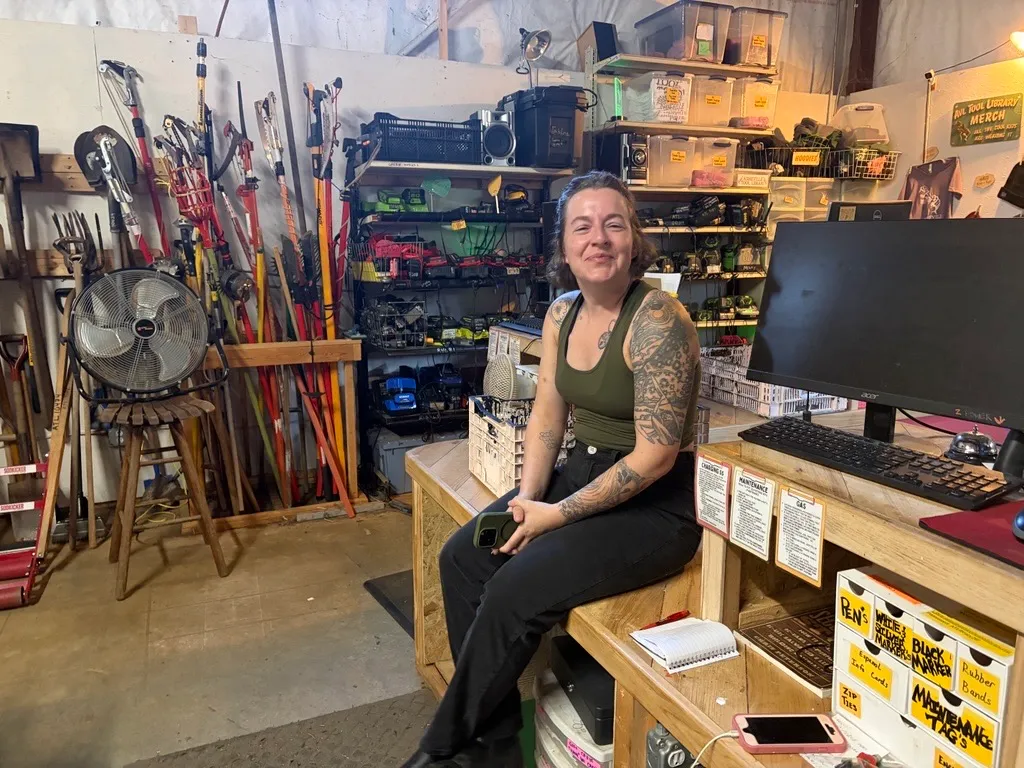
The day after Hurricane Helene made landfall, Shelby Treichler was determined to make it to the Asheville Tool Library. The power was out and she knew the library, where she is an operations coordinator, had a solar panel setup that would be crucial in the days ahead.
There was just one problem: A fallen tree blocked the only road out of her neighborhood.
“I didn’t think to bring my tools home with me. None of us thought to be on that level prepared,” she said. Armed with only a handsaw, she started cutting, hoping to at least clear a lane. Then, seemingly out of nowhere, a man wearing sandals arrived with a chainsaw. He jumped from his truck and started bucking the tree. A few minutes later, he drove off, leaving Treichler in tears.
“I was like, ‘This is community. This is beautiful,’” she said. “The guy just got back in the truck and drove away. We all barely exchanged three words except for, ‘This is crazy, huh?’”
Treichler’s experience was repeated across western North Carolina in the days after Helene. Unofficial chainsaw brigades, composed largely of volunteers, fanned out to clear roads. Appalachian poet Gerald Smith described hearing “the sweet, sweet sound of chainsaws,” a familiar refrain that inspired a new wave of people to learn how to use one.
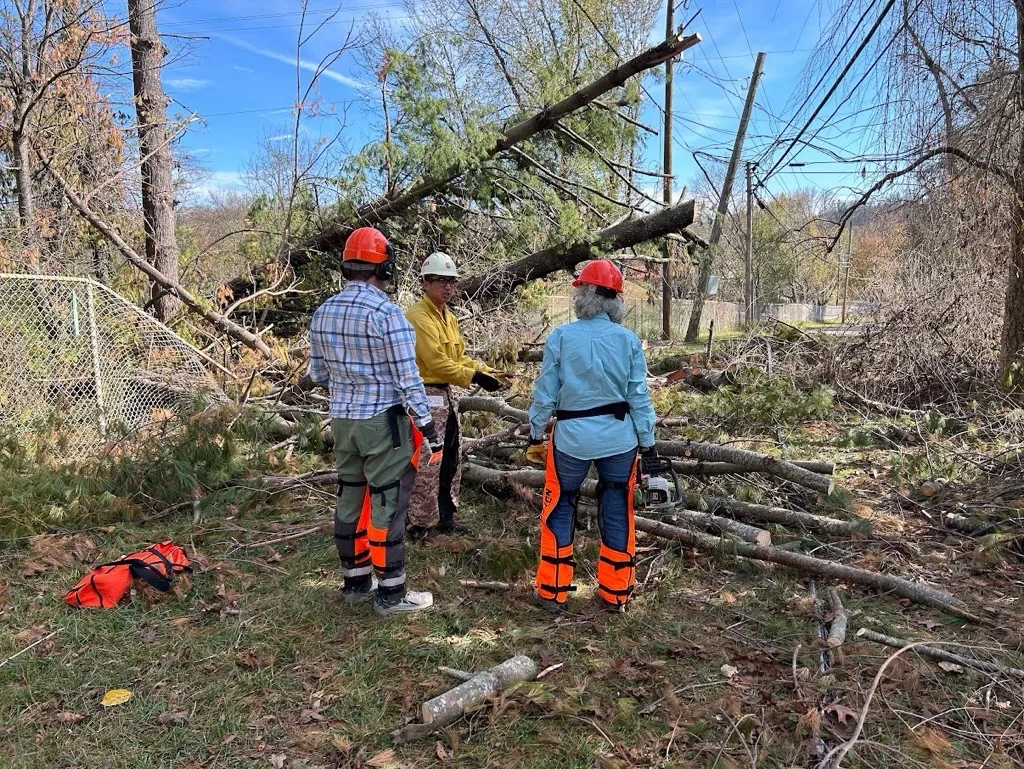
Quetzal Jordan, founder of Skills Academy for Women, is among those showing them how. She has led more than 500 people through safety workshops since Helene. “I’ve taught people anywhere from 18 to 75 how to use a chainsaw,” she said. “And especially the folks who are older, I feel like they have the most transformative experience.”
The chainsaw classes are part of a broader movement in western North Carolina to treat tools and the skills to use them as a form of climate resilience. The Asheville Tool Library, for instance, lends everything from saws and shovels to generators and megaphones and teaches people how to use them. Insurance prevents it from lending chainsaws, but it keeps several among its collection of more than 4,000 tools for emergencies.
“We were doing this work before and resiliency was kind of in all of our minds, but I think, like most people who are affected by Hurricane Helene, it’s taken on a very different meaning now and a very different sense of urgency,” Treichler said.
– Laura Hackett
Making emergency planning more inclusive
Walter Davis, 67, has multiple disabilities and can’t drive. He takes several medications, and a work injury left him without the use of one foot. When Helene hit his apartment complex in Swannanoa, he relied on neighbors for help.
“For about three and a half weeks we had no power, no water,” he said while waiting for the bus one day last month. “We had to go down to the creek and get five-gallon buckets of water and flush our toilets with it.”
The storm also took out the only grocery store within walking distance, and many of his neighbors don’t drive.
These challenges extend far beyond Swannanoa. Census data released in 2023 show that while about 1 percent of U.S. adults had been displaced by a disaster in the previous year, the figure rose to 31 percent among those unable to care for themselves. Many people with disabilities never returned home after evacuating, and more than 74 percent of evacuees unable to walk reported experiencing food insecurity a month after a disaster.
State agencies coordinate with emergency services to get information out, but local officials aren’t always aware of the scale of need in an emergency. “Disabled folks are typically not at the table when planning for emergency response,” said Dom Kelly, the founder and director of the advocacy group New Disabled South.
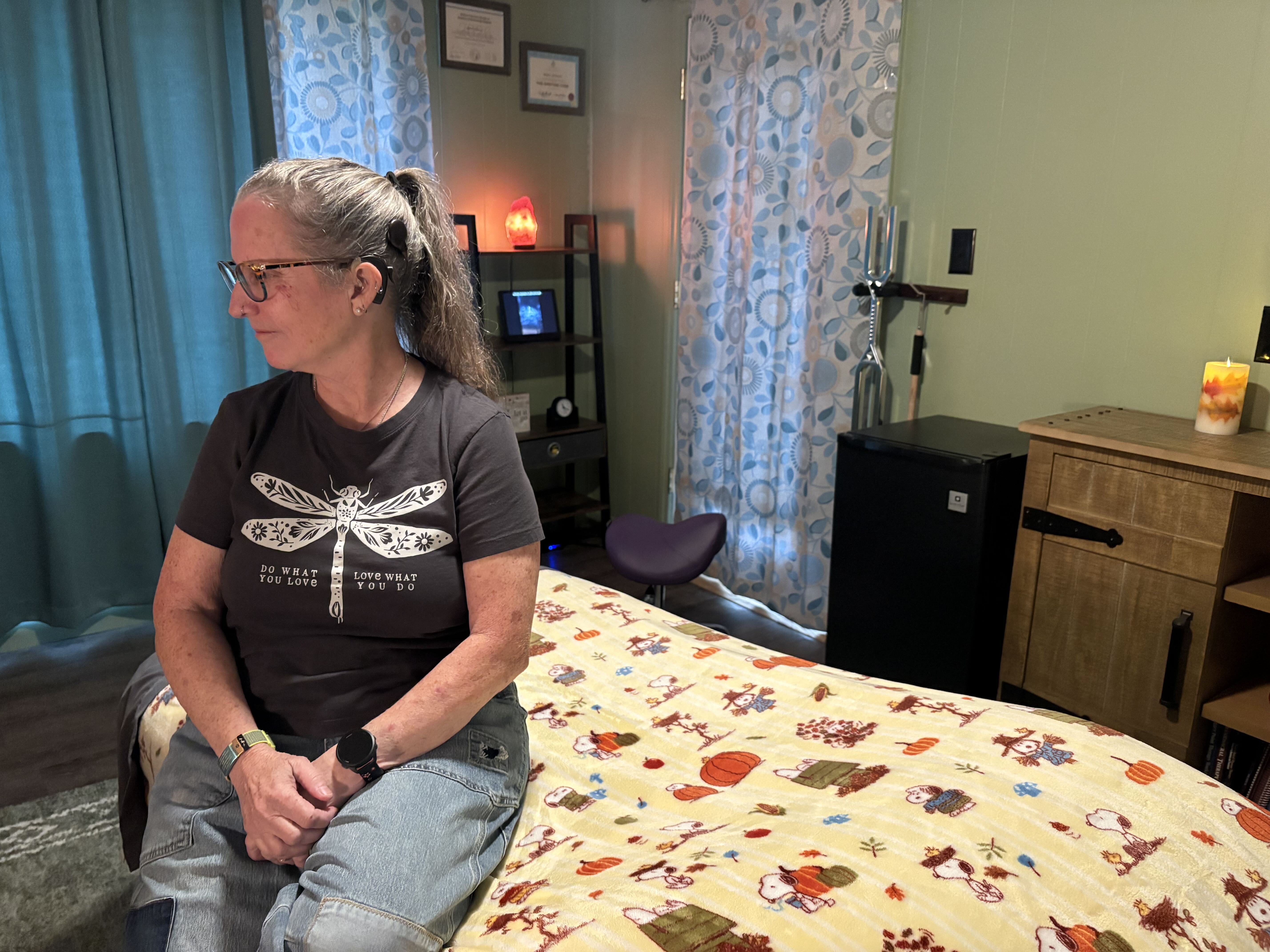
Those gaps became apparent in Swannanoa after Helene. A friend living at Jasper Apartments asked Beth Trigg to help check on medically vulnerable residents, about 100 of whom had been unable to evacuate. She and other volunteers fanned out across that complex and others to ask what people needed and find essentials like insulin and bottled oxygen. “We really immediately saw the different needs of people who had specific medical issues or disabilities,” Trigg said.
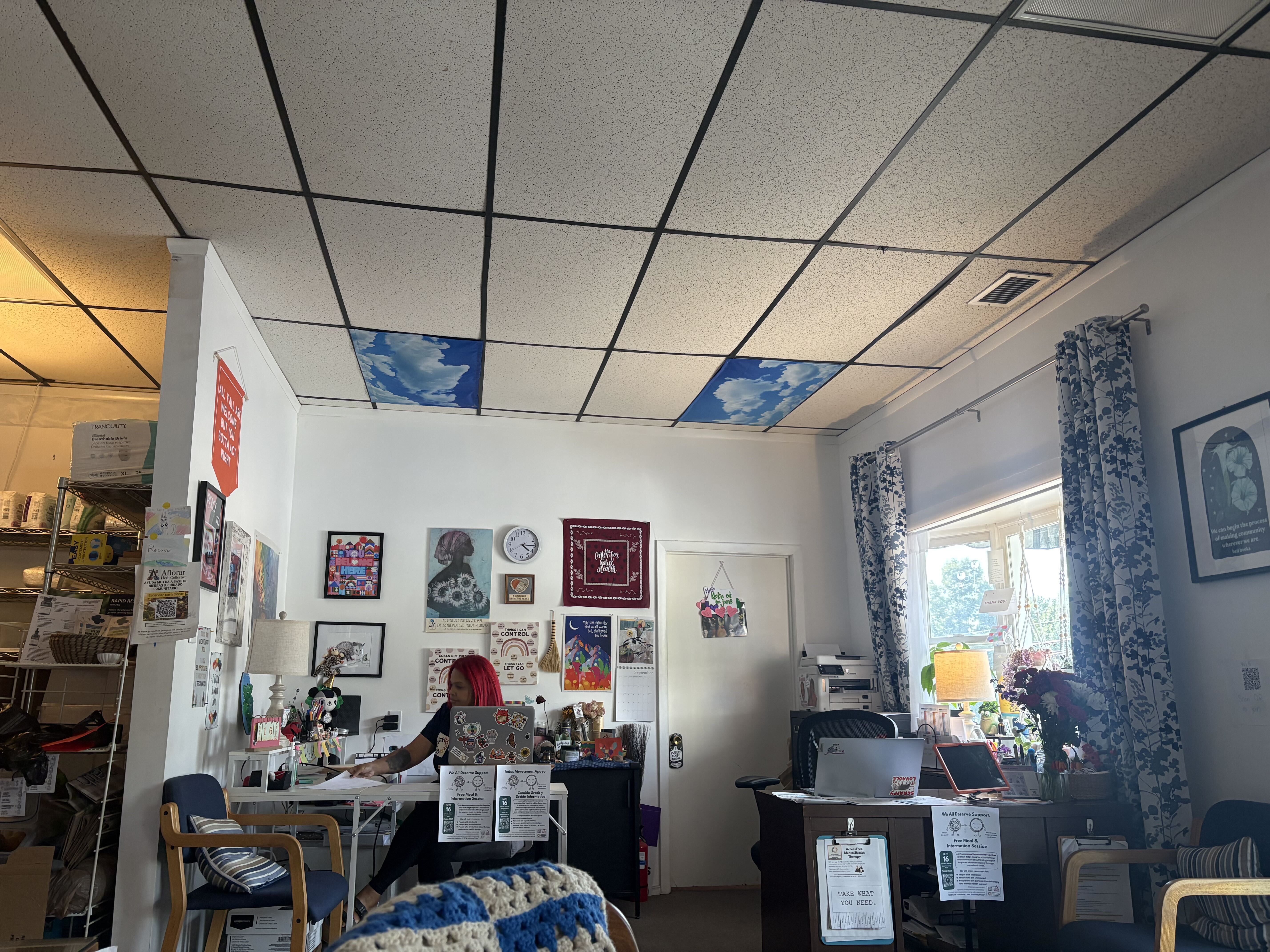
That effort grew into Swannanoa Communities Together, which provides therapy and long-term support ranging from help navigating FEMA to rent assistance. The group operates out of a former hair salon and recently bought adjoining lots, with plans to renovate the building with ADA-compliant bathrooms, wheelchair ramps, and changing stations. An accessibility consultant is helping ensure the space can serve as many people as possible.
“We’re seeing it as a place where we can have emergency response for our community in future emergencies or future disasters,” Trigg said.
– Katie Myers