Climate Food and Agriculture
All Stories
-
![]()
![]()
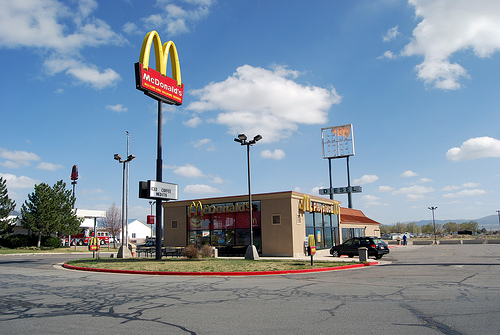
McChange doesn't come easy
McDonald's announced that it will include apple slices and a smaller French fry serving in its Happy Meal. How significant is the announcement?
-
![]()
![]()
Green crush: A restaurant, a cause
The Restaurant Opportunities Center of New York honors employers that provide safe, just workplaces for food service workers. Anna Lappe honors them with a haiku.
-
![]()
![]()
The hatin' spoonful: Big Food refuses to swallow guidelines
Loathe to give up its authority over American eating habits, Big Food is already pushing back against modest, voluntary guidelines on advertising to children.
-
![]()
![]()
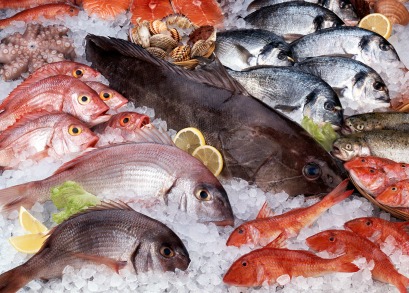
The sustainable seafood myth
Seafood sustainability ratings don't get to the heart of the matter: If global warming continues unabated, there won't be any fish left to eat.
-
![]()
![]()
Three farms, one dinner [VIDEO]
Join in on an after-hours dinner party with Samin Nosrat of Tartine Bakery showcasing the best local ingredients Bay Area farms have to offer.
-
![]()
![]()
Green crush: The ballad of the green table
Cleaver Co. deserves praise for their delicious food and support of other green groups in New York City.
-
![]()
![]()
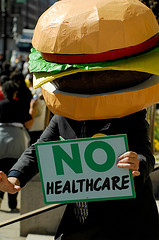
Who put McDonald's in charge of kids' health?
Improvements to the McDonald's Happy Meal just distract policymakers from doing their job of setting boundaries for corporate behavior.
-
![]()
![]()
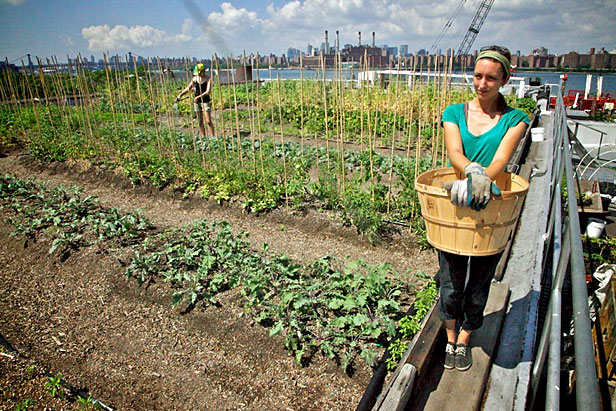
Green crush: How does your garden grow?
There's nothing quite contrary about Eagle Street Farm.
-
![]()
![]()
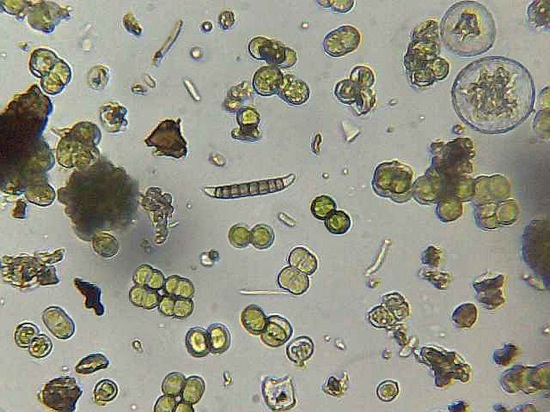
Attack of the evil killer algae!
Sickening amounts of green algae, fed by nitrous waste from French farms, have been growing on the Brittany coast, where French and British people go for vacation. When the algae decomposes, it gives off hydrogen sulphide, a poisonous gas. Two years ago, a man died from inhaling the gas. The next victim: a horse. This year more than 30 wild boars have died mysteriously on the beach, and the evil algae is the prime suspect.
-
![]()
![]()
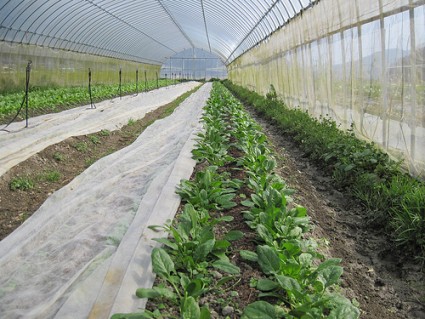
Manchester turns a disused building into a vertical farm
We know that some people don't think much of the idea of urban farming, in part because it takes up space that could otherwise be used to house people more densely. But what if an urban farm was a) vertical and b) using an otherwise abandoned space?
That's the plan for Alpha Farm, to be built in the Wythenshawe area of Manchester, England