
The Center for Science in the Public Interest is calling on the FDA to pull the meat substitute Quorn from the marketplace. CSPI has assembled a list of more than 2,000 incidents in which people observed adverse affects — including things like nausea, cramps, diarrhea, violent vomiting, and death — shortly after eating Quorn.
Correlation doesn’t imply causation, but there’s also one report of Quorn sensitivity in the peer-reviewed literature, and there clinicians verified, with a skin prick test, that the victim did have an allergic reaction to the protein.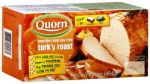
The Washington Post also did a piece on Quorn, making the larger case that the government should do more to regulate new food products.
I’m all for better oversight. Let’s just keep in mind that we can’t have our faux-meat cake and eat it too. As we aim for more humane and sustainable food, we should welcome people’s experiments with new materials to make meat substitutes that actually taste good and are efficient to produce. (Check out Grist’s review of meatless turkeys, for instance, including Quorn.)
Quorn is made from the fungus Fusarium venenatum. CSPI Executive Director Michael Jacobson notes that “‘Venenatum,’ inauspiciously, is Latin for poisonous.”
In a statement, Quorn Foods told Politico that its product was safe and pointed out that other foods — like nuts — cause much more severe allergic reactions. Quorn says its foods have “always been made from a natural, GMO-free protein ingredient.”
A message from
Your support keeps our climate news free.
Grist is the only award-winning newsroom focused on exploring equitable solutions to climate change. It’s vital reporting made entirely possible by loyal readers like you.
At Grist, we don’t believe in paywalls. Instead, we rely on our readers to pitch in what they can so that we can continue bringing you our solution-based climate news. Donate today to keep our site free.