When the federal government set its limit on how much nitrate drinking water can safely contain, the primary concern was blue baby syndrome, a condition that deprives infants of oxygen. In the 51 years since then, research has associated exposure to the contaminant with cancer and other health problems, fueling calls for a stricter standard.
On Monday, a coalition of national and local advocacy organizations including the Natural Resources Defense Council, Union of Concerned Scientists, Prairie Rivers Network, and 11 others filed a petition calling on the U.S Environmental Protection Agency to lower that threshold from 10 milligrams per liter to 1 mg/liter. In its petition, the coalition argued that “nitrates in drinking water are causing a public health crisis across the country.”
“One in three Americans — nearly 120 million people in this country — are currently being served water with dangerous levels of nitrate in it,” said Tyler Lobdell, a senior staff attorney at Food & Water Watch. That figure includes people served water with nitrate concentrations above 1 mg/L — one-tenth of the current federal standard.
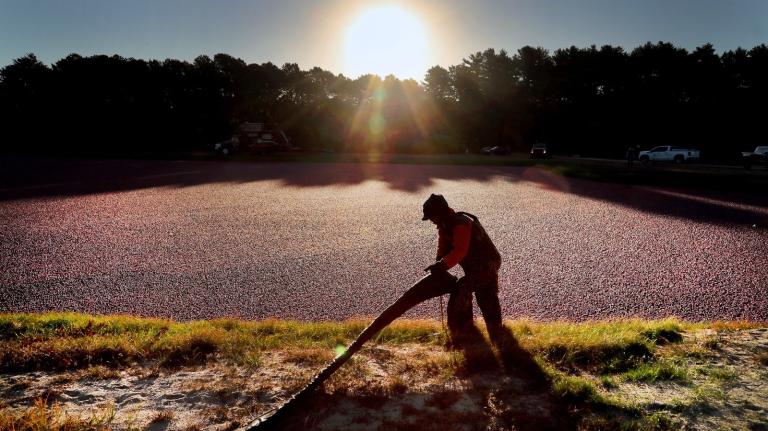
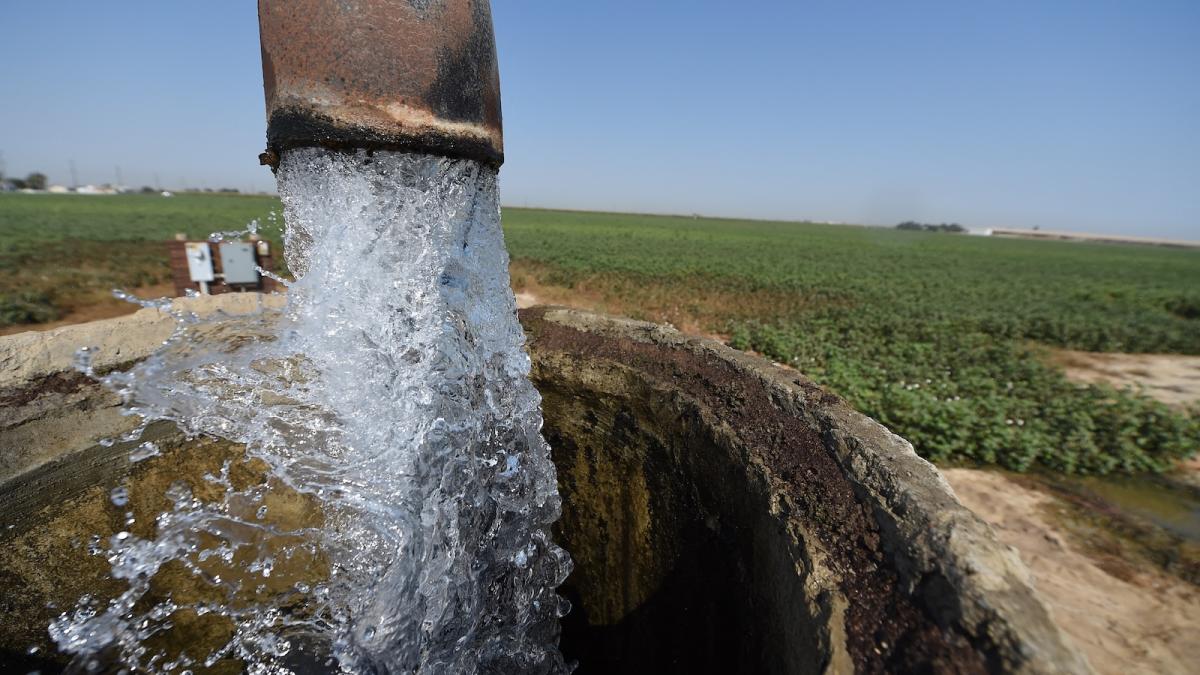
Nitrate pollution, much of it linked to fertilizer and manure runoff and leaching from agriculture, is a particular concern in farming regions, where contaminated groundwater can disproportionately impact rural, low-income, Latino, and farmworker communities. Studies have linked exposure with colorectal cancer, thyroid disease, and fetal abnormalities. A 2019 study estimated that up to 12,594 new cancer cases each year are attributable to nitrate in drinking water.
“This change would reflect the best available, peer- reviewed science and would bring substantial health benefits to communities across the country,” according to the petition.
Climate change can exacerbate nitrate contamination as increasingly intense rainfall and flooding washes fertilizer and manure into waterways and groundwater. Drought can concentrate pollutants.
In a statement to Grist, the EPA wrote that it would review the petition but noted that it completed its review of drinking water regulations, including the nitrate standard, in July, 2024.
“EPA conducted a robust evaluation of available studies and applicable data for nitrate to determine if any new information provided a basis to support a regulatory revision that would improve or strengthen public health protection,” the statement read. “Based on the agency’s review, EPA determined that the nitrate rule was not a candidate for revision at the time.”
As part of the petition, the organizations commissioned the consulting firm One Water Econ to analyze the costs and benefits of adopting the proposed standard, especially in states most affected by nitrate contamination.
The 43-page report found that slashing the threshold isn’t cheap. The report estimates that adopting the 1mg/L benchmark would cost $94.5 billion over 50 years, which would cover everything from upgrading water treatment plants, maintenance, and replacing equipment. Despite the steep price tag, the analysis found that returns would significantly outweigh the investment, the benefits totaling $364 billion.
“People are paying with their health right now,” Lobdell said. “Costs are accruing right now in the real world, in the form of people losing their loved ones and children being born with abnormalities.”
The states with the largest impacted populations tend to cluster in the West and Midwest and account for 62 percent of the affected population, according to the analysis. Agricultural powerhouses like California, Texas, and Arizona topped that list, with traditional farming states like Iowa not far behind.
In Iowa, approximately 42 percent of residents are exposed to nitrate levels above 1 mg/L, according to the analysis. This summer, Des Moines-area residents faced water restrictions for the second year in a row amid high nitrate levels. Illinois faces a similar problem. Between 2021 and 2023, more than 2 million people were served drinking water that tested above 1 mg/l, said Robert Hirschfeld, the director of water policy at Prairie Rivers Network.
The current 10 mg/L threshold dates to 1975 and was formally adopted in 1991, based largely on the risk of blue baby syndrome. Advocates argue that the standard does not account for subsequent research associating nitrate exposure with other health problems.
The EPA has twice tried to reassess the nitrate benchmark as part of its required periodic review of national drinking water standards. The Obama administration began that process in 2016, but the Trump administration paused it in 2019. The Biden administration restarted it in 2023, before the second Trump administration cut the effort short by eliminating the office responsible for the reviews.
“We’ve done the EPA’s work for it,” Lobdell said.
The petition asks the EPA to take two immediate steps: Adopt an interim benchmark for nitrate while it considers the new limit, and enforce other federal protections like the Clean Water Act and rein in industrial agriculture, which Lobdell said has been given “free pass to pollute.”
For communities confronting nitrate contamination, the debate is ultimately about where regulators draw the line between what is legal and what is safe.