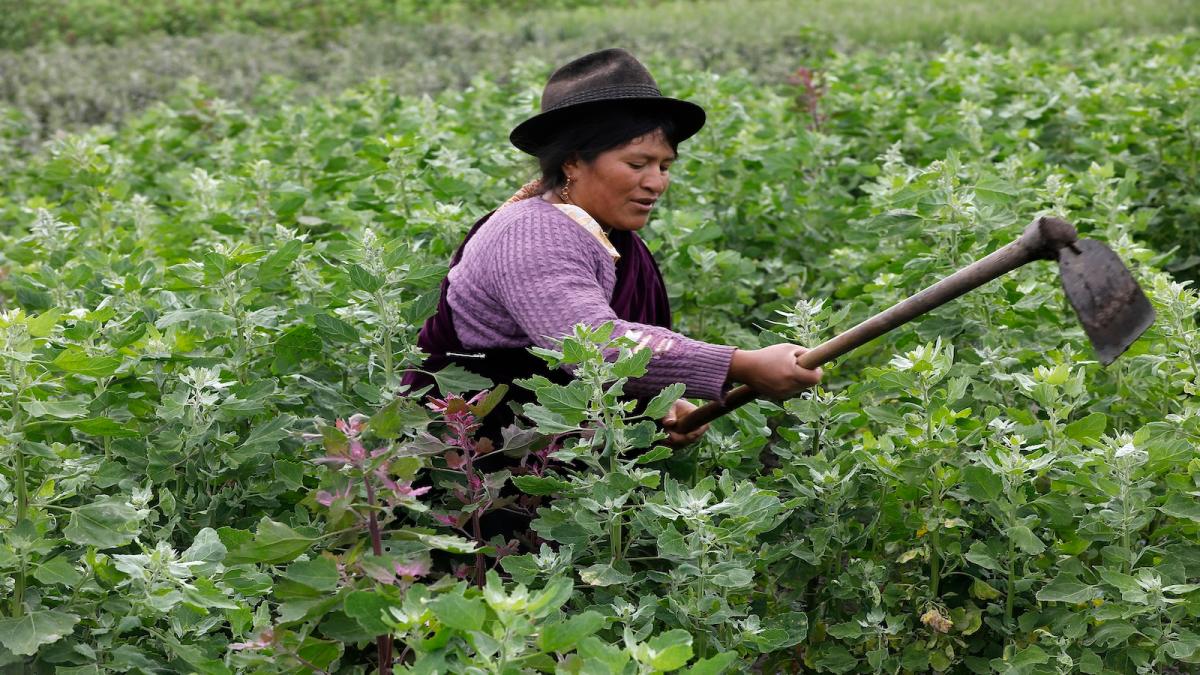
In the last five years, Indigenous agriculture has received attention in academia as an alternative model, though on a smaller scale, to modern farming systems. Research has shown that some traditional farming systems — such as growing maize, beans, and squash together — protect soil health, reduce biodiversity loss, and support Indigenous knowledge, known as traditional ecological knowledge.
How many of these elements from traditional farming can successfully translate into larger crop production models, when little research defines their economic value, is a question Kamaljit Sangha, a researcher in ecological economics at Charles Darwin University, wanted to explore in a new study published earlier this month in the journal Frontiers in Sustainable Food Systems.
“How do we take it from the perspective where there are holistic and multiple values [of Indigenous farming], which are mostly hidden in the current way of measuring the importance of these food systems?” said Sangha.
When assessing how many publications includ... Read more