Earlier this month, the Finnish government released its Truth and Reconciliation report, which documents years of harm done to the country’s Indigenous Sámi people. Truth and Reconciliation Commissions have been emerging since the 1970s, with varying degrees of impact. South Africa’s 1998 Truth and Reconciliation Commission report, commissioned to address the harms of the apartheid regime that the country had only recently overturned, is likely the best known; it established a reparations system for victims, although critics argue that payments have been delayed, insufficient, and exclude some of the most vulnerable.
What sets last week’s report apart is the centrality of climate change in its findings and recommendations. The climate-related threats to Sámi life — including warmer winters, erratic weather, and encroaching mining and energy development — are tied up with many of the Finnish government’s past failures. The report argues that the country’s current leaders must renew their cooperation with the Sámi to face these threats head on.
For thousands of years, the Sámi lived a semi-nomadic life based around reindeer herding and fishing, roaming freely between Norway, Sweden, Russia, and Finland until the creation of modern states. Unlike neighboring Norway and Sweden, the Finnish government never codified the forceful integration of the Sámi into law, but the imposition of Finnish language and culture on Indigenous people did become the default regardless. Sámi were sent to residential boarding schools, which diminished their facility with their native language and alienated many from their culture. During World War II, the Sámi were evacuated from Northern Finland, and the Finnish state’s subsequent redevelopment of the area after the fighting was over resulted in a further loss of Indigenous territory.
There are about 75,000 to 100,000 Sámi in the world, with a population of roughly 10,000 in Finland. Currently, according to the report, the Sámi’s traditional lifestyle is threatened primarily by warming winters, increasingly unpredictable weather, and mining and energy development. Reindeer herding has become more difficult, as the milder cold season has increased rainfall in the north. When rain falls on thick snow, it freezes over into a crust of ice, making it difficult for reindeer to reach below and forage on lichen and grass. Replacing reindeer game with imported food is expensive and requires a great deal of extra labor, explained Aslak Holmberg, a Saami Council member and a former member of the Sámi Parliament. The longer warm season has also caused the tree line to grow higher, compounding the reindeer’s difficulties by making it more difficult for them to reach leaves. Salmon populations, too, are growing thinner and providing less food for the Sámi.
The Sámi are also aware that their land is being eyed for mining and wind power construction. It’s also increasingly being used by the Finnish Defence Force for training exercises as geopolitical tensions rise in the Arctic. The final report contains almost 70 recommendations on how Finland could improve Indigenous relations, many of them focused on giving the Sámi more authority over land use and regulations. It calls for the Ministry of Agriculture and Forestry to collaborate with the Sámi Climate Council on an adaptation plan, based on both scientific research and traditional knowledge — which studies have shown is often the best path to ecosystem restoration.
The report also mandates that old-growth forests in Sámi territory be protected from the forestry industry, that the industry pay reparations to Sámi reindeer herders for the damage caused to existing forests, and that the Finnish state work with the Sámi Parliament to create a Sámi Business and Climate Fund to support climate action and protect Sámi livelihoods simultaneously.
Giving the Sámi more authority over their own territory is crucial, Holmberg said, and coordination with the Finnish Defence Forces, for example, could diminish the military’s effect on reindeer herding. “The Sámi are also sensing this tension in the security situation,” said Holmberg. “So it’s not like Sámi are against the military activities, but a lot could be done to improve or avoid the negative impacts of military activities.”
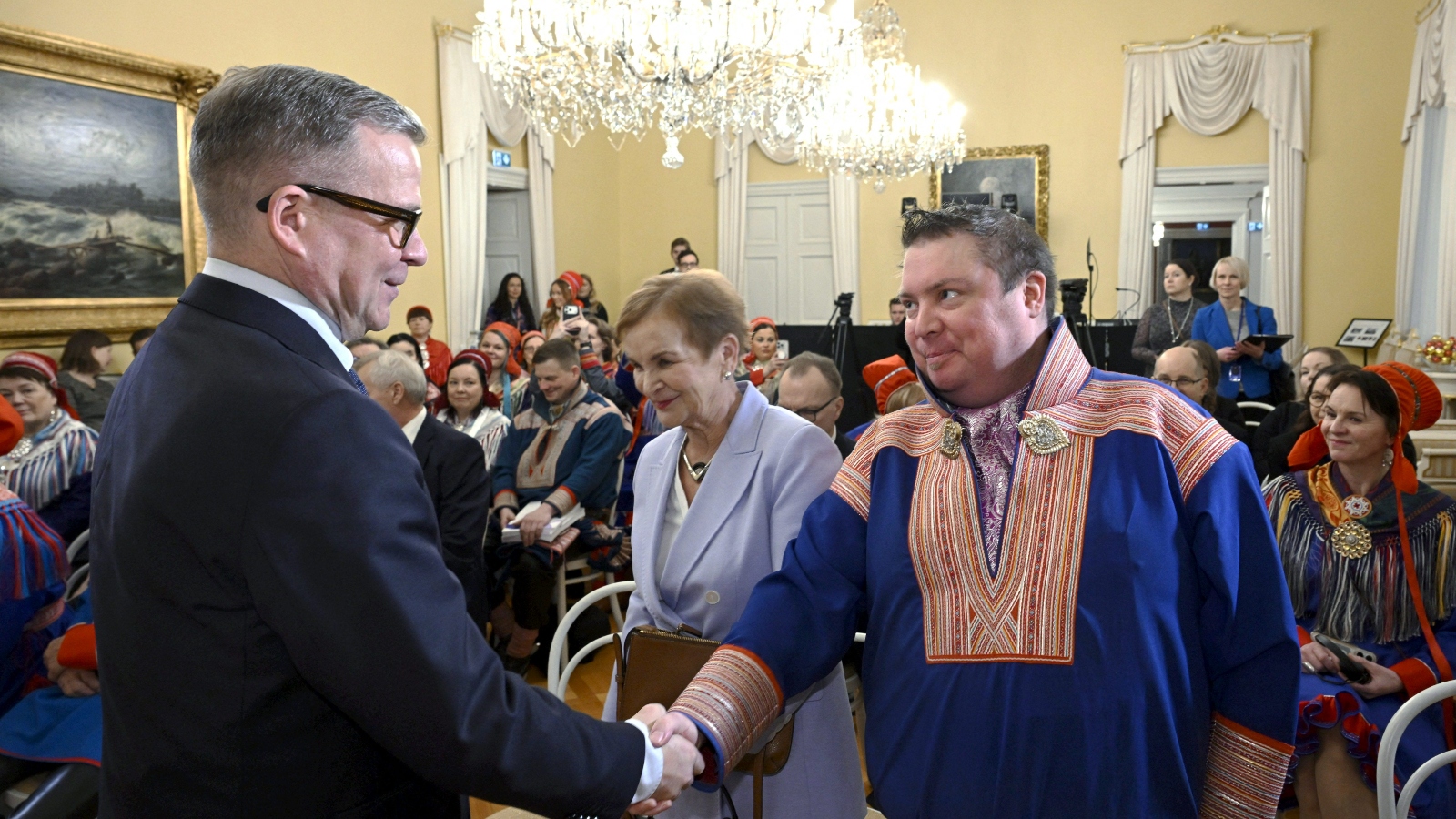
Upon the report’s release, the Finnish prime minister said that the government should apologize to the Sámi people for the harm that had been done to them. But some have cautioned that the prime minister’s contrition is premature. “I think just giving an apology would be very performative at this point, if there are no commitments to actually change anything,” said Holmberg.
The report is only the first step in a much longer process of repair, said Truth and Reconciliation Commission chair Hannele Pokka, but she is optimistic that the Finnish people will act on the report’s recommendations.
“We have only tried to describe the truth,” she said. “And then we must continue speaking about reconciliation.”
A message from
Your support keeps our climate news free.
Grist is the only award-winning newsroom focused on exploring equitable solutions to climate change. It’s vital reporting made entirely possible by loyal readers like you.
At Grist, we don’t believe in paywalls. Instead, we rely on our readers to pitch in what they can so that we can continue bringing you our solution-based climate news. Donate today to keep our site free.